

US closes door on foreign robots, starts economic war again: all could be 'spies'
Translated from Estonian, summarized and contextualized by DistantNews.
At a glance
News
Sources not specified
Context piece
- The US has expanded its security list to include mobile robots and solar panel inverters, citing potential risks.
- Manufacturers of these foreign-made devices will now need to plan for production within the US.
- This move raises questions about whether it protects critical infrastructure or makes the robotics market more expensive and closed.
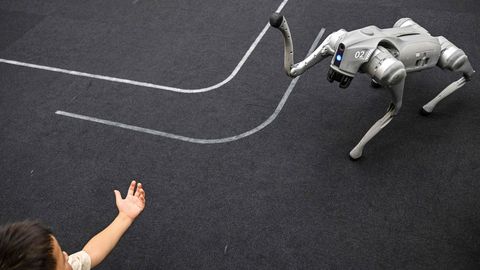
The United States is tightening its stance on foreign technology, expanding its security list to encompass mobile robots and solar panel power inverters. This decision reclassifies these devices not merely as tools but as potential mobile sensors and communication points that could fall into the wrong hands.
Consequently, many foreign-made mobile robots have been added to a list of devices deemed a security risk. Future manufacturers seeking to sell in the US will be required to submit plans for domestic production. This policy shift prompts debate about its effectiveness in safeguarding critical infrastructure versus its potential to create a more costly and insular robotics market.
The US telecom regulator's decision to include mobile robots and solar panel inverters on its security list marks a significant step in regulating the import of high-tech foreign goods. The move specifically targets devices that could pose an "unacceptable risk."
Questions linger about the rationale behind this sudden classification of mobile robots as a security threat and whether China, though not explicitly named, feels targeted. The decision could profoundly reshape the future of the robotics industry in both the US and Europe.
DistantNews Editorial
Originally published by Postimees in Estonian. Translated, summarized, and contextualized by our editorial team with added local perspective. Read our editorial standards.
More Stories
/nginx/o/2026/07/23/17800027t1hdbfc.jpg)
/nginx/o/2026/08/11/17840672t1hd803.png)
From Our Blog

What Gets Lost (and Found) When News Is Translated

The Critical Role of Diaspora Media in Global News

What Travellers Should Know About Countries with Restricted Press

A Digital Nomad's Guide to Following Local News

How the Same Story Looks Different in Different Countries
