


US completes additional airstrikes against Iran after soldiers killed
Translated from Korean, summarized and contextualized by DistantNews.
At a glance
News
Named sources
Ongoing story
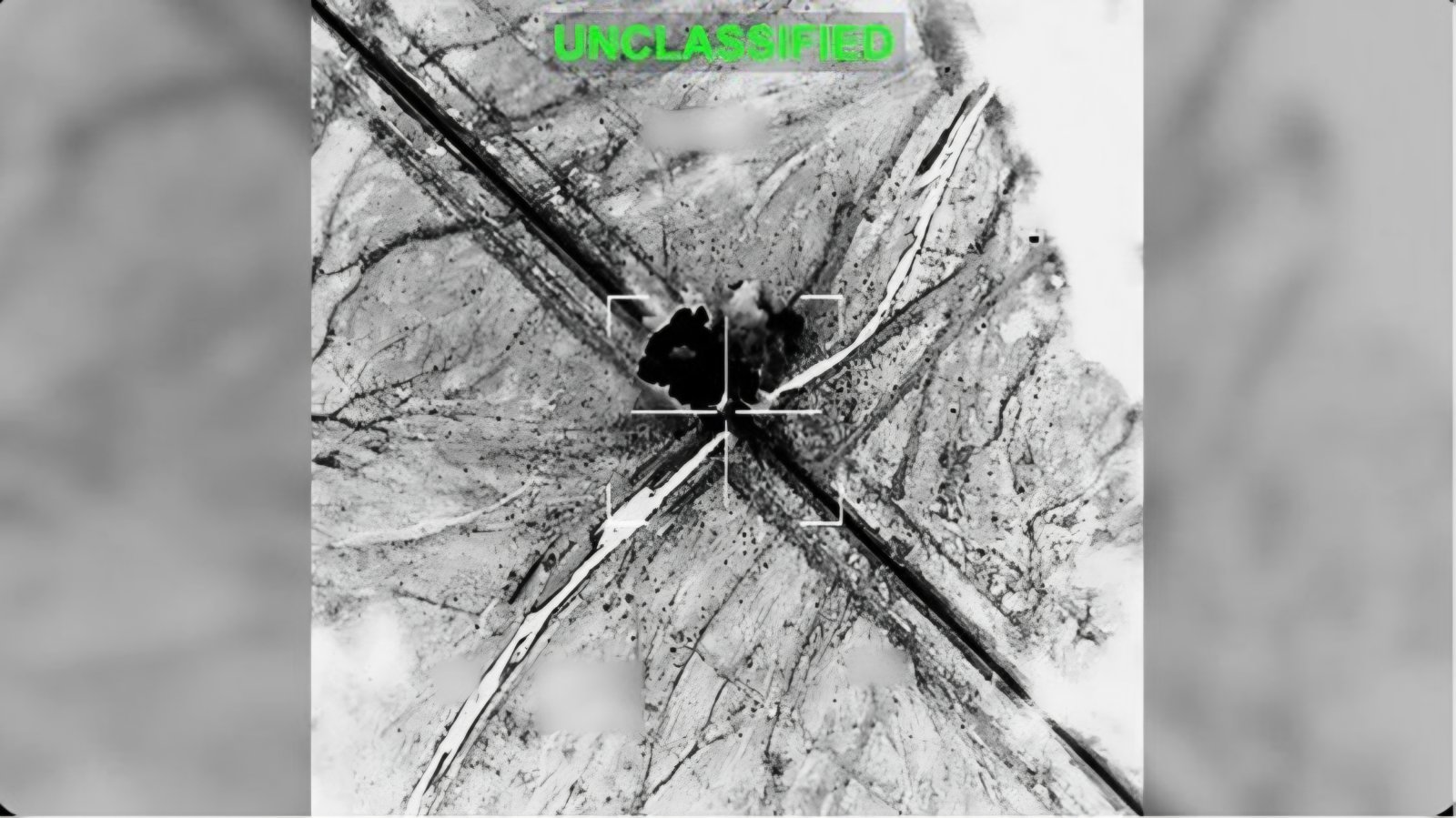
- The US military announced it completed additional airstrikes against Iran, following Iran's attack on a Jordanian airbase that killed two US soldiers.
- This marks the first US military deaths since a ceasefire began in April, raising concerns about escalation.
- The strikes targeted Iranian radar, missile, and drone facilities, as well as energy and logistics infrastructure on Qeshm Island.
The U.S. Central Command (CENTCOM) confirmed the completion of additional airstrikes against Iran, ordered by President Donald Trump. These strikes were a direct response to Iran's attack on a Jordanian airbase that resulted in the deaths of two U.S. service members and the disappearance of another. This incident marks the first American military fatalities since a ceasefire was established in April, intensifying concerns about a potential escalation of conflict between the two nations.
According to CENTCOM's announcement, the airstrikes targeted strategic Iranian military facilities. The attacks occurred after Iran's Revolutionary Guard Corps launched ballistic missiles and drones at a Jordanian airbase on the previous day. The casualties bring the total U.S. military deaths since the conflict began in February to 16, with 430 wounded.
President Trump expressed his sorrow over the deaths, stating, "It is a very sad thing." He reiterated his commitment, "We will never allow Iran to possess nuclear weapons." The U.S. military's retaliatory actions have included strikes on Iranian coastal and inland cities, as well as recent attacks on bridges, railways, and ports. CNN reported that Iran's Atomic Energy Organization claimed the U.S. also targeted the construction site of the Darkovin nuclear power plant in southern Iran, indicating an expansion of attacks beyond military installations to include civilian infrastructure.
Iran has also intensified its retaliatory strikes, targeting critical infrastructure such as desalination facilities in Kuwait, which host U.S. military bases. Iran's Supreme Leader, Ayatollah Ali Khamenei, issued a statement on July 18, criticizing the "Great Satan" (a term Iran uses to strongly criticize the U.S.) for repeatedly violating agreements. He declared that "the signature of the U.S. president is completely worthless and completely untrustworthy," signaling that memorandums of understanding and negotiations for a ceasefire are effectively nullified.
DistantNews Editorial
Originally published by Dong-A Ilbo in Korean. Translated, summarized, and contextualized by our editorial team with added local perspective. Read our editorial standards.
More Stories


From Our Blog

What Gets Lost (and Found) When News Is Translated

The Critical Role of Diaspora Media in Global News

What Travellers Should Know About Countries with Restricted Press

A Digital Nomad's Guide to Following Local News

How the Same Story Looks Different in Different Countries
