

US Court Strikes Down $100,000 H-1B Visa Fee as Unlawful
Translated from Korean, summarized and contextualized by DistantNews.
At a glance
News
Sources not specified
Outcome reported
- A U.S. federal court has invalidated a Trump administration policy that imposed fees of up to $100,000 for H-1B specialty visas.
- The court ruled that the fee increase, which dramatically raised costs for companies hiring foreign professionals, was unlawful as it was not authorized by Congress.
- The lawsuit was filed by several state governments, arguing the high fees would hinder public institutions like universities and hospitals from hiring specialized foreign talent.
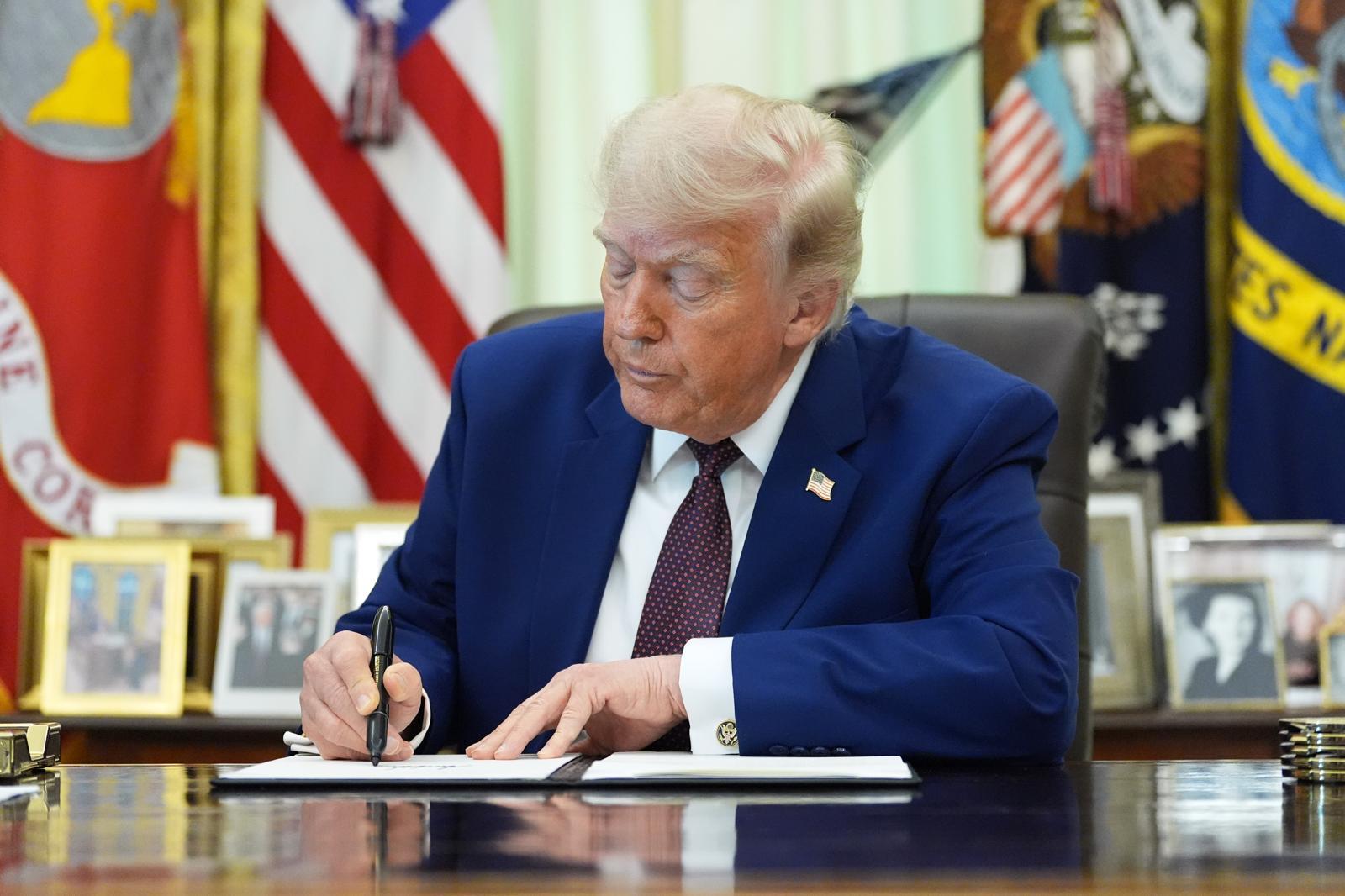
A U.S. federal court has blocked a Trump administration policy that sought to charge up to $100,000 in fees for H-1B specialty visas. The ruling by a federal judge in Massachusetts declared the policy unlawful, effectively halting the significant fee hike that had been imposed on companies hiring foreign professionals.
The policy, introduced by the Trump administration, drastically increased the cost of obtaining an H-1B visa from several thousand dollars to as much as $100,000. Judge Leo Sorokin stated in his ruling that the policy imposed a tax not authorized by Congress, and that the government lacked the legal authority to charge such fees per H-1B application.
This policy imposed a tax on H-1B applications that Congress did not delegate.
The H-1B visa program is a key pathway for U.S. companies to recruit specialized foreign workers. The Trump administration had argued that the visa was being exploited to bring in lower-paid, less-skilled workers, thereby disadvantaging American laborers. The fee increase was intended to curb this perceived misuse.
The defendants do not have the legal authority to charge $100,000 per H-1B application.
However, the lawsuit, jointly filed by several state governments, contended that the exorbitant fees would negatively impact public institutions such as universities, schools, and hospitals. They argued that these organizations would face difficulties in recruiting essential foreign talent, potentially disrupting educational and healthcare services.
The Trump administration has indicated it may appeal the decision. A White House spokesperson told Reuters that President Trump retains the authority to restrict foreign entries deemed not in the U.S. national interest.
President Trump can restrict all types of foreign entries that are not in the U.S. national interest.
DistantNews Editorial
Originally published by Dong-A Ilbo in Korean. Translated, summarized, and contextualized by our editorial team with added local perspective. Read our editorial standards.
More Stories


From Our Blog

What Gets Lost (and Found) When News Is Translated

The Critical Role of Diaspora Media in Global News

What Travellers Should Know About Countries with Restricted Press

A Digital Nomad's Guide to Following Local News

How the Same Story Looks Different in Different Countries
