


US cuts joint drills with South Korea, raising readiness concerns
Translated from Korean, summarized and contextualized by DistantNews.
At a glance
Analysis
Sources not specified
Ongoing story
- South Korea and the U.S. will shorten and conclude the Ulchi Freedom Shield (UFS) joint military exercise early due to a sudden U.S. directive.
- The decision, prompted by President Trump's order, raises concerns about readiness and the transfer of wartime operational control (OPCON) to South Korea.
- However, the reduction could also be a catalyst for inter-Korean dialogue and eased tensions on the peninsula.
South Korea and the United States have agreed to significantly shorten and conclude the ongoing joint military exercise 'Ulchi Freedom Shield' (UFS) early, a move directly stemming from a sudden directive by U.S. President Donald Trump. The exercise, designed to simulate a full-scale conflict on the Korean Peninsula, will now end on August 21 instead of August 27, with a reduction in associated field training.
We are adjusting the exercise period and scale at the suggestion of the U.S. side.
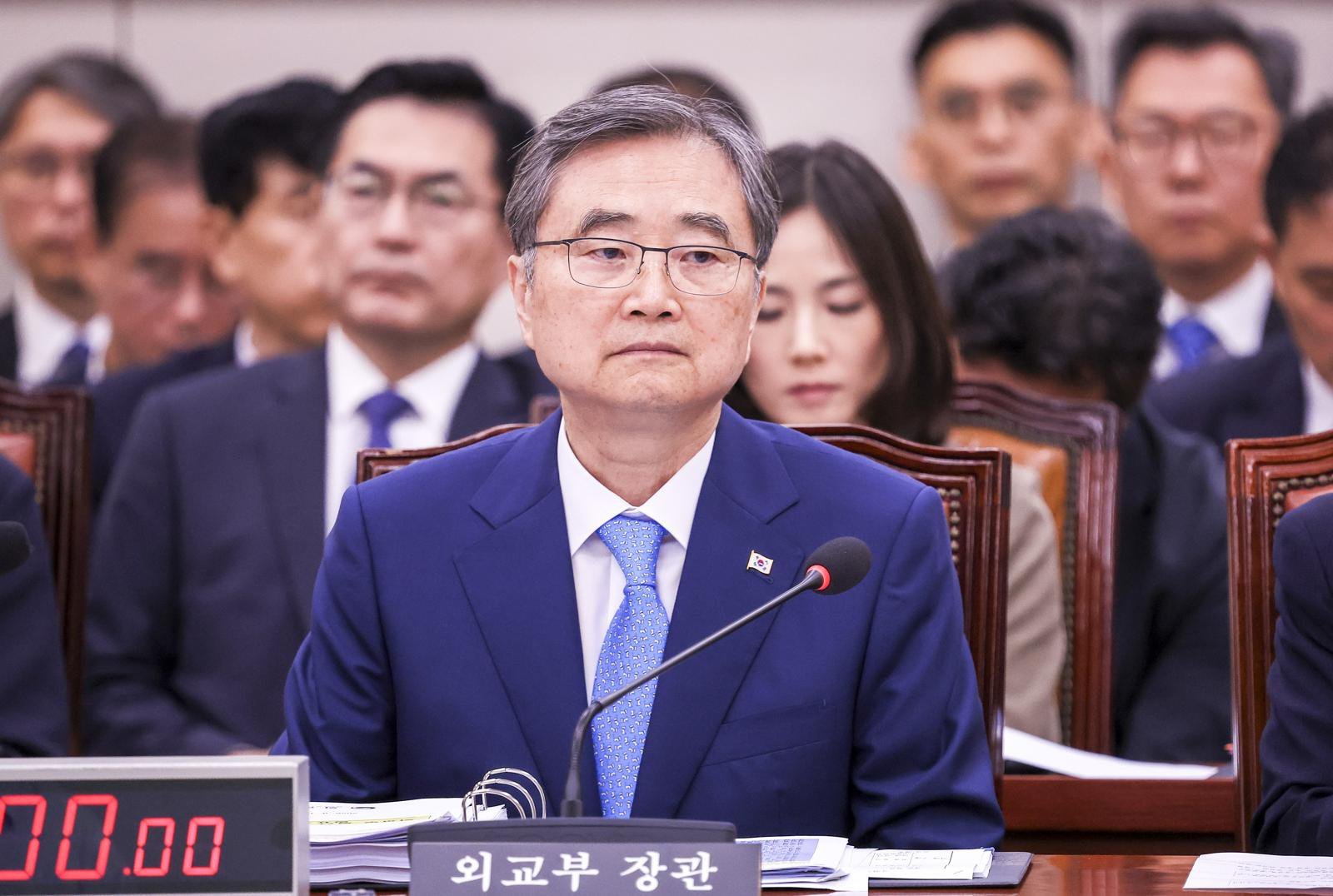
This abrupt alteration, initiated by the U.S. side, marks an unprecedented instance of a major joint exercise being substantially curtailed after its commencement. South Korean officials expressed surprise, with the Minister of Foreign Affairs and the Minister of National Defense stating they were not forewarned of the changes. The decision has fueled concerns within South Korea about potential weakening of its defense posture against North Korea and potential delays in the planned transfer of wartime operational control (OPCON) to Seoul.
We were not informed in advance.
Despite these concerns, the reduction in exercises is also being viewed as a potential opportunity. Some analysts suggest it could serve as a positive catalyst for resuming dialogue between North Korea and the United States, potentially easing military tensions on the peninsula. This perspective is particularly relevant as the U.S. seeks to re-engage with North Korea before the November midterm elections.
No one from the South Korean and U.S. government authorities knew the details.
South Korea's Ministry of National Defense has sought to allay fears about diminished readiness, emphasizing that the total number of planned field training exercises for the year remains unchanged. However, the specific impact on the transfer of OPCON, a key objective for the South Korean government, is still being assessed. The early conclusion of UFS raises questions about the reliability of alliance commitments and the strategic coordination between Seoul and Washington.
It is necessary to clarify that the ROK-U.S. joint exercises are not just simple military training but a core mechanism for familiarizing the two countries' forces with command and control and operational procedures in case of emergency and maintaining the minimum combined defense posture.
DistantNews Editorial
Originally published by Hankyoreh in Korean. Translated, summarized, and contextualized by our editorial team with added local perspective. Read our editorial standards.
More Stories


From Our Blog

What Gets Lost (and Found) When News Is Translated

The Critical Role of Diaspora Media in Global News

What Travellers Should Know About Countries with Restricted Press

A Digital Nomad's Guide to Following Local News

How the Same Story Looks Different in Different Countries
