


US Disputes Iranian Claims on Strait of Hormuz as Peace Talks Begin in Switzerland
Translated from English, summarized and contextualized by DistantNews.
At a glance
News
Sources not specified
Ongoing story
- U.S. and Iranian negotiators are set to begin peace talks in Switzerland, aiming to advance an interim deal to end their nearly four-month war.
- Iran's Revolutionary Guard Corps declared the Strait of Hormuz closed, but the U.S. military stated commercial vessels continued to transit the vital waterway.
- The talks follow a 60-day ceasefire, with U.S. President Trump suggesting no tolls would be charged for passage, unless peace talks fail.
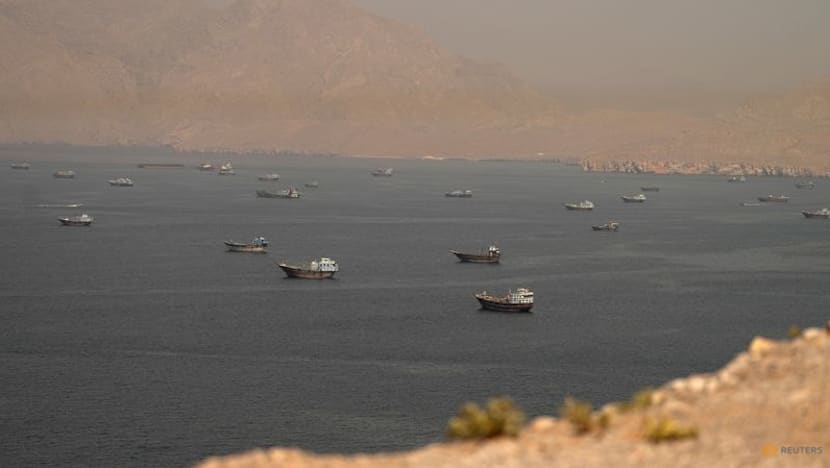
Negotiators from the United States and Iran are converging in Switzerland for peace talks, aiming to solidify an interim deal that could end their nearly four-month conflict. The discussions are set to commence on Sunday, following a 60-day ceasefire agreement. However, tensions remain high as Iran's Islamic Revolutionary Guard Corps (IRGC) declared the Strait of Hormuz closed, a claim disputed by U.S. officials who assert that commercial shipping continues unimpeded through the critical oil and gas chokepoint.
The IRGC's warning, citing alleged Israeli "crimes" in Lebanon that violated ceasefire commitments, threatened ships approaching the Strait. Conversely, the U.S. military's Central Command reported that 55 merchant ships successfully transited the strait on Saturday, carrying over 17 million barrels of oil. U.S. forces have pledged to ensure the continued flow of commercial traffic.
no toll will be charged for passage through the Strait during or after the 60-day ceasefire, unless the U.S. imposes one should peace talks fail.
U.S. President Donald Trump addressed the situation via social media, stating that passage through the Strait would be toll-free during and after the ceasefire. He left open the possibility of the U.S. imposing a toll should the peace talks falter, framing it as a charge for "services rendered as the Guardian Angel to the countries of the Middle East."
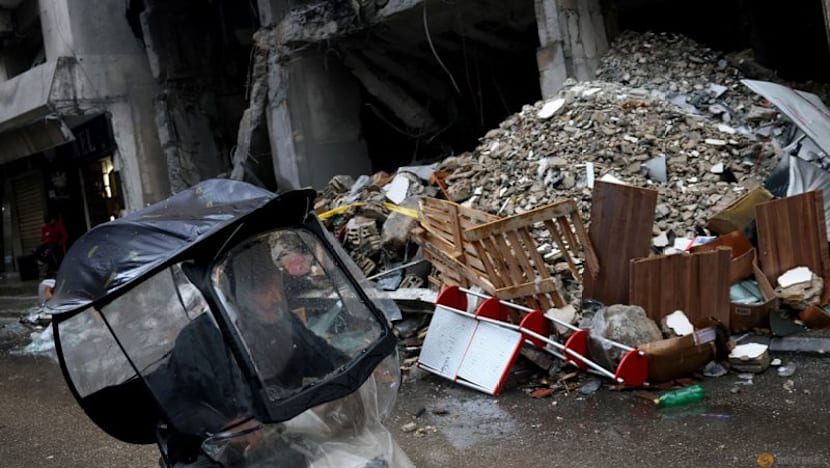
Mohammad Mokhber, an adviser to Iran's Supreme Leader, accused the U.S. of failing to uphold the first clause of the interim deal, which mandates a "ceasefire on all fronts," including Lebanon. He suggested that the continued halt of Middle East energy flows would persist as long as the agreement remained merely on paper. The fragile ceasefire in Lebanon has seen continued exchanges of fire between Israeli forces and the Iran-backed Hezbollah militant group.
as long as the agreement was only on paper, the flow of Middle East energy would remain halted.
DistantNews Editorial
Originally published by The Straits Times in English. Translated, summarized, and contextualized by our editorial team with added local perspective. Read our editorial standards.
More Stories


From Our Blog

What Gets Lost (and Found) When News Is Translated

The Critical Role of Diaspora Media in Global News

What Travellers Should Know About Countries with Restricted Press

A Digital Nomad's Guide to Following Local News

How the Same Story Looks Different in Different Countries
