


US Downs Iranian Drones Attacking Hormuz Strait Amid Peace Talks Progress
Translated from Vietnamese, summarized and contextualized by DistantNews.
At a glance
News
Named sources
Ongoing story
- The US military announced it shot down multiple Iranian drones near the Strait of Hormuz.
- Iran had launched the drones to disrupt commercial maritime traffic.
- The incident occurred amid ongoing peace talks between the US and Iran.
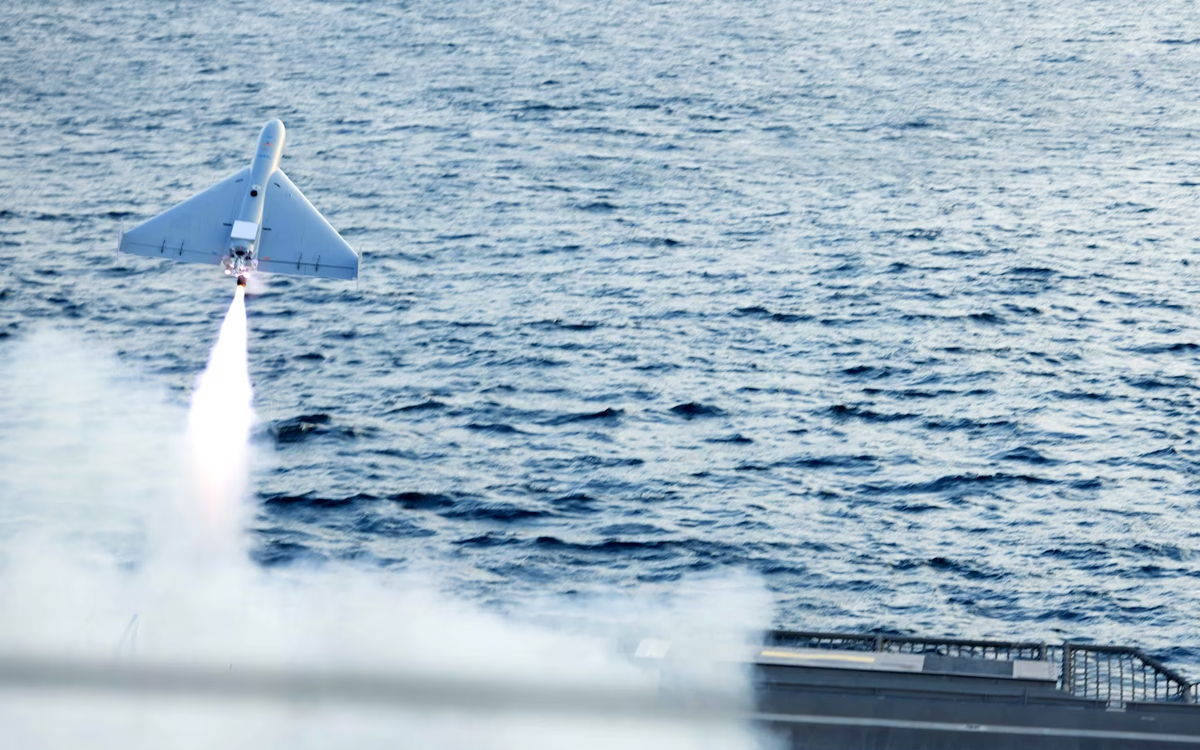
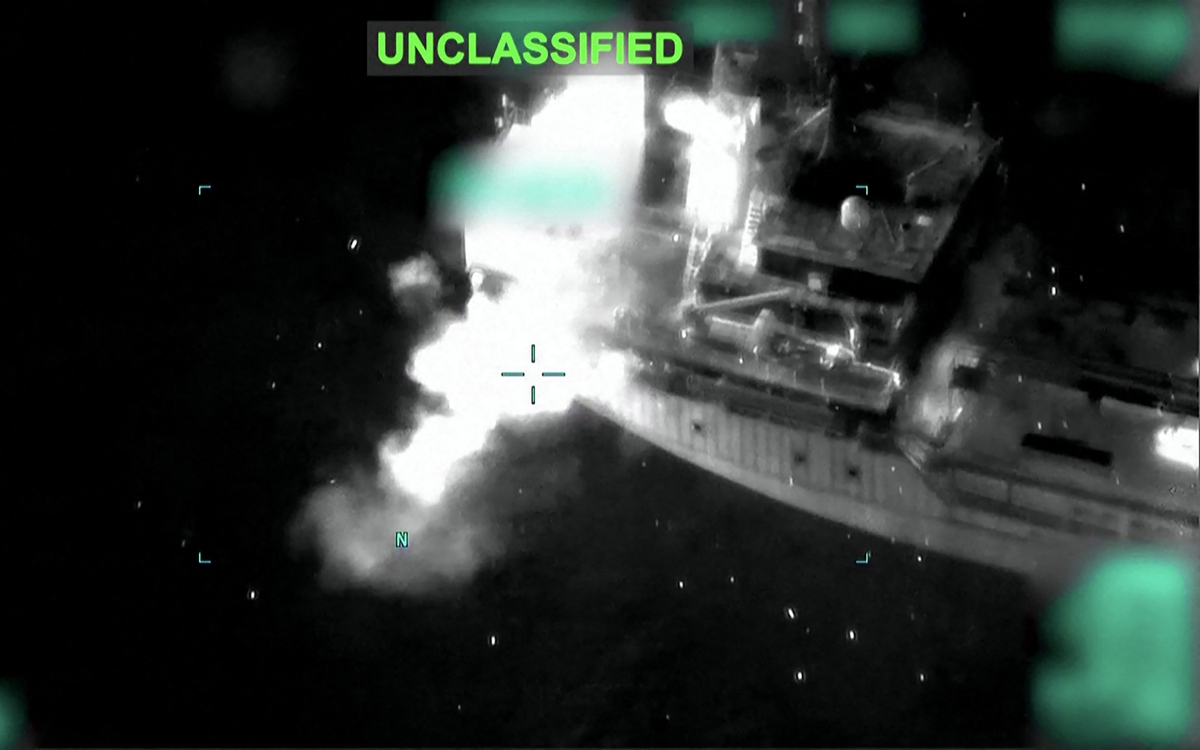
U.S. Central Command (CENTCOM) announced on June 13 that American forces successfully intercepted and destroyed multiple Iranian drones that were launched to disrupt commercial shipping near the Strait of Hormuz. CENTCOM stated on social media platform X that the drones were downed over several hours, while maritime traffic through the crucial waterway continued unimpeded.
Iran better get their act together quickly, and do it fast!
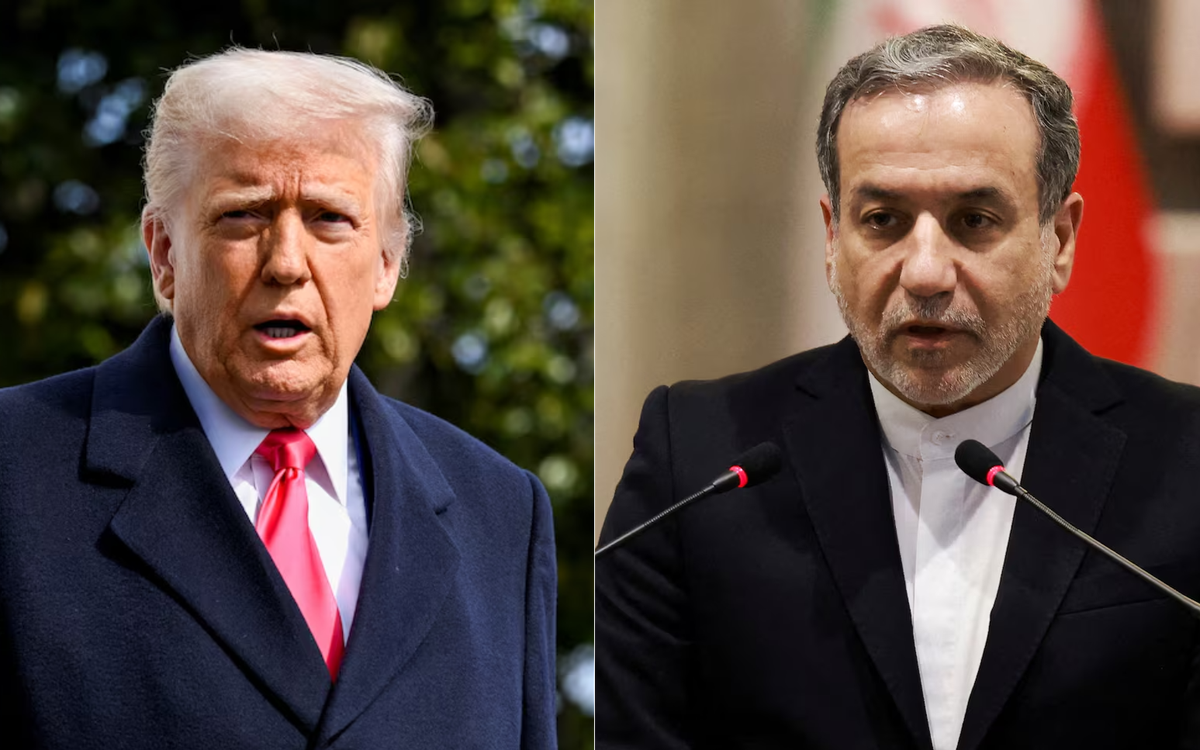
"This international trade corridor remains open for transit," CENTCOM emphasized, highlighting the operational continuity despite the Iranian actions. The incident follows a public warning issued by U.S. President Donald Trump on June 12, where he cautioned Iran to "straighten things out immediately, and do it fast!" after U.S. forces had previously downed two Iranian attack drones targeting commercial vessels in the Hormuz area.
The confrontation unfolds against a backdrop of significant progress in peace negotiations aimed at ending a months-long conflict between the U.S. and Iran. Officials from both nations, along with Pakistan acting as a mediator, have indicated that a peace agreement could be finalized within days. Iranian Foreign Minister Abbas Araghchi described the "Islamabad Memorandum" as being closer to reality than ever before, while a senior U.S. official estimated the likelihood of signing a deal at 80-85%.
This international trade corridor remains open for transit.
Sources involved in the talks suggest the potential agreement includes Iran reopening the Strait of Hormuz and the U.S. lifting its naval blockade on Tehran's ports. However, substantial disagreements persist, particularly concerning Iran's nuclear program. Washington insists on Iran dismantling its nuclear program, disposing of its highly enriched uranium, and accepting long-term monitoring. Tehran, conversely, maintains its right to enrich uranium and proposes diluting its existing stockpile within Iran. Meanwhile, Araghchi stated that Iran and Oman would continue to oversee traffic through the Strait of Hormuz, asserting Tehran's influence over the vital maritime route would endure even after the conflict's conclusion.
The Islamabad Memorandum has never been closer to reality than it is now.
DistantNews Editorial
Originally published by Tuổi Trẻ in Vietnamese. Translated, summarized, and contextualized by our editorial team with added local perspective. Read our editorial standards.
More Stories

From Our Blog

What Gets Lost (and Found) When News Is Translated

The Critical Role of Diaspora Media in Global News

What Travellers Should Know About Countries with Restricted Press

A Digital Nomad's Guide to Following Local News

How the Same Story Looks Different in Different Countries
