

/s3/static.nrc.nl/wp-content/uploads/2026/07/07054027/ANP-563002662.jpg)
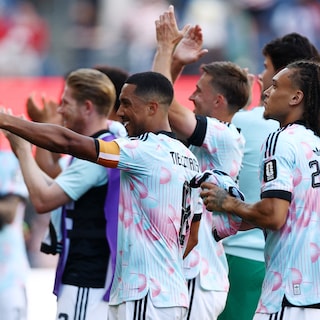
US eliminated from World Cup after controversial match against Belgium
Translated from Dutch, summarized and contextualized by DistantNews.
At a glance
News
Sources not specified
Outcome reported
- The United States was eliminated from the World Cup after a 4-1 loss to Belgium.
- A controversial FIFA decision to overturn a red card for US player Falorin Balogun, reportedly after a call from President Trump, preceded the match.
- Belgium dominated the game, scoring twice in the first half and adding two more goals despite a late consolation from the US.
The United States suffered a painful World Cup exit, falling 4-1 to Belgium in a match marred by controversy. The American team displayed uncharacteristic defensive frailties, failing to replicate their strong performances from previous weeks.
The game's narrative was significantly shaped by a FIFA decision just before the match to overturn a red card suspension for US star player Falorin Balogun. Reports suggest this decision followed a phone call from President Donald Trump. This alleged political interference ignited widespread anger in the football community, including within the Belgian team, though it ultimately did not deter Belgium's dominance on the field.
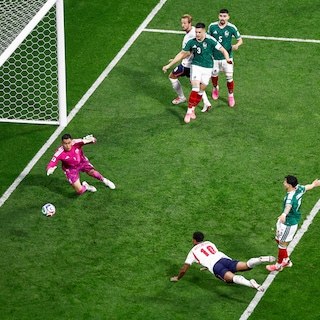
Belgium controlled the first half, with Charles De Ketelaere scoring twice. While the US managed a goal from a Malik Tillman free-kick, their overall offensive threat was minimal. The situation worsened in the second half, particularly after Belgium's third goal, scored by Hans Vanaken from long range after US goalkeeper Matt Freese misplayed the ball outside the penalty area. Balogun, who had a limited impact on the game, was substituted late in the match, witnessing Romelu Lukaku score Belgium's fourth goal.
The controversy surrounding Balogun's overturned red card disrupted the tournament's previously amicable atmosphere. Initial concerns about the tournament's expansion and FIFA President Gianni Infantino's ties to Trump had faded, replaced by a positive reception for smaller nations and engaging matches. However, the Balogun decision refocused attention on perceived favoritism and political influence, drawing criticism from European football bodies and former players.
DistantNews Editorial
Originally published by NRC Handelsblad in Dutch. Translated, summarized, and contextualized by our editorial team with added local perspective. Read our editorial standards.
More Stories
/s3/static.nrc.nl/wp-content/uploads/2026/07/06192956/060726SPO_2035017409_BaudinBennett.jpg)
/s3/static.nrc.nl/wp-content/uploads/2026/07/06134324/060726SPO_2035003979_rood2.jpg)
From Our Blog

What Gets Lost (and Found) When News Is Translated

The Critical Role of Diaspora Media in Global News

What Travellers Should Know About Countries with Restricted Press

A Digital Nomad's Guide to Following Local News

How the Same Story Looks Different in Different Countries
