

US Envoy Rejects Iran's 'Rogue Officers' Explanation for Commercial Ship Attacks
Translated from English, summarized and contextualized by DistantNews.
At a glance
News
Named sources
Ongoing story
- A U.S. envoy rejected Iran's explanation that attacks on commercial ships were accidental or carried out by rogue officers.
- The envoy cited a recent attack on a commercial vessel as evidence contradicting Iran's claims.
- The U.S. accused Iran of violating international law through its actions against civilian shipping.
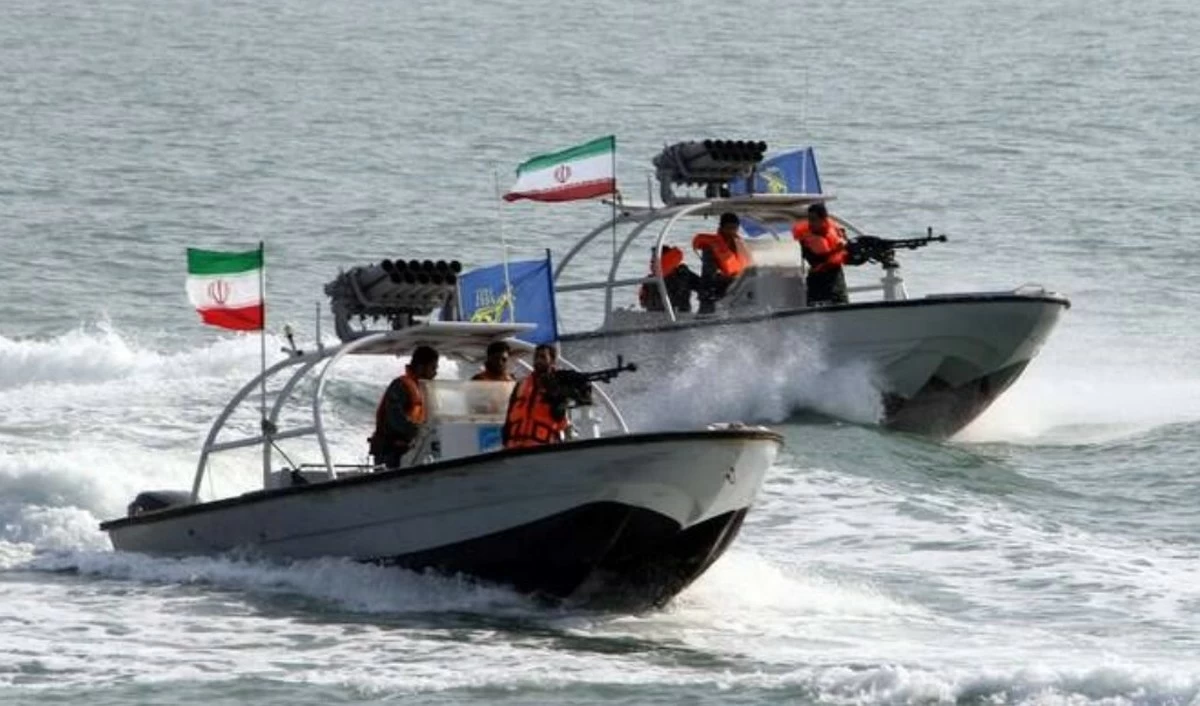
U.S. Ambassador to the United Nations Mike Waltz has dismissed Iran's explanations for attacks on commercial vessels in the Strait of Hormuz, asserting that the latest incident contradicts Tehran's narrative. Waltz specifically rejected the idea that rogue officers were responsible for the attacks.
Are we supposed to believe that some junior officers are going rogue and firing on ships, but yet face no consequences from a dictatorial hierarchy-based entity like the IRGC? I don't buy it.
Speaking to ABC, Waltz questioned the plausibility of Iran's claims, which were reportedly communicated to Washington by an unnamed U.S. official cited by CNN. "Are we supposed to believe that some junior officers are going rogue and firing on ships, but yet face no consequences from a dictatorial hierarchy-based entity like the IRGC? I don't buy it," Waltz stated.
This assertion follows a report by CNN, citing an unnamed U.S. official, that Iran had acknowledged to Washington that earlier strikes on commercial ships were accidental. However, U.S. Central Command (CENTCOM) confirmed that Iran "blatantly attacked" another commercial vessel transiting the Strait of Hormuz on Saturday. Waltz highlighted this recent attack as undermining the claim that previous incidents were unintentional.
blatantly attacked
Furthermore, Waltz accused Iran of violating international law by targeting neighboring countries, civilian shipping, and critical infrastructure. He noted that technical talks between Tehran and Washington are ongoing, despite describing the Iranian leadership as "incredibly difficult to deal with."
incredibly difficult to deal with
DistantNews Editorial
Originally published by Arab Times in English. Translated, summarized, and contextualized by our editorial team with added local perspective. Read our editorial standards.
More Stories



From Our Blog

What Gets Lost (and Found) When News Is Translated

The Critical Role of Diaspora Media in Global News

What Travellers Should Know About Countries with Restricted Press

A Digital Nomad's Guide to Following Local News

How the Same Story Looks Different in Different Countries
