


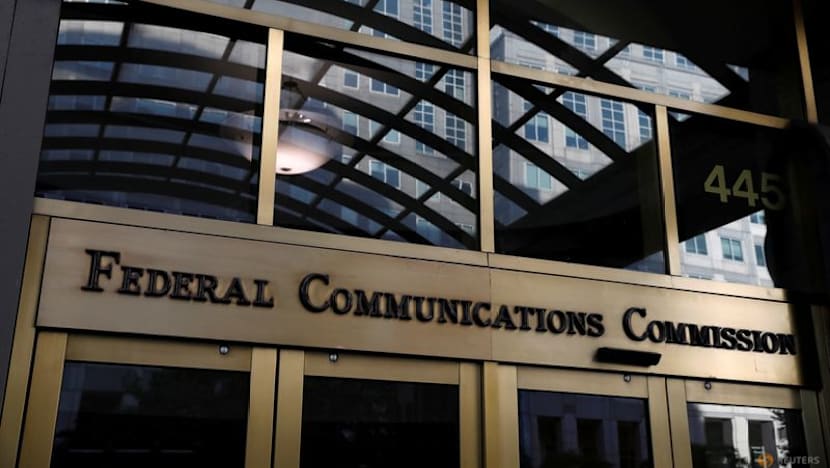
US FCC toughens submarine communication cable rules
Summarized and contextualized by DistantNews.
At a glance
News
Official statement
New plan
- The US Federal Communications Commission (FCC) has updated its rules for submarine communication cables.
- The new regulations aim to enhance national security by scrutinizing which companies can operate these vital internet infrastructure links.
- This move reflects growing concerns over foreign influence and data security in critical global networks.
The U.S. Federal Communications Commission (FCC) has tightened its regulations governing submarine communication cables. These undersea cables are the backbone of the global internet, carrying the vast majority of international data traffic. The updated rules are designed to bolster national security by giving the U.S. government greater oversight over the companies involved in operating and maintaining these critical infrastructure links.
The FCC's decision signals a heightened awareness of potential vulnerabilities within the global digital network. By imposing stricter requirements, the commission aims to prevent foreign adversaries or entities with questionable intentions from gaining undue influence or access to sensitive data transmitted through these cables. This proactive approach seeks to safeguard the integrity and security of the internet's physical infrastructure.
While the specific details of the new rules were not provided, the FCC's action underscores a broader trend of governments worldwide scrutinizing technology infrastructure for national security reasons. The move is expected to impact international telecommunications companies and could influence future investments and partnerships in the development and deployment of submarine cable systems.
DistantNews Editorial
Originally published by CNA. Summarized and contextualized by our editorial team with added local perspective. Read our editorial standards.
More Stories



From Our Blog

What Gets Lost (and Found) When News Is Translated

The Critical Role of Diaspora Media in Global News

What Travellers Should Know About Countries with Restricted Press

A Digital Nomad's Guide to Following Local News

How the Same Story Looks Different in Different Countries
