


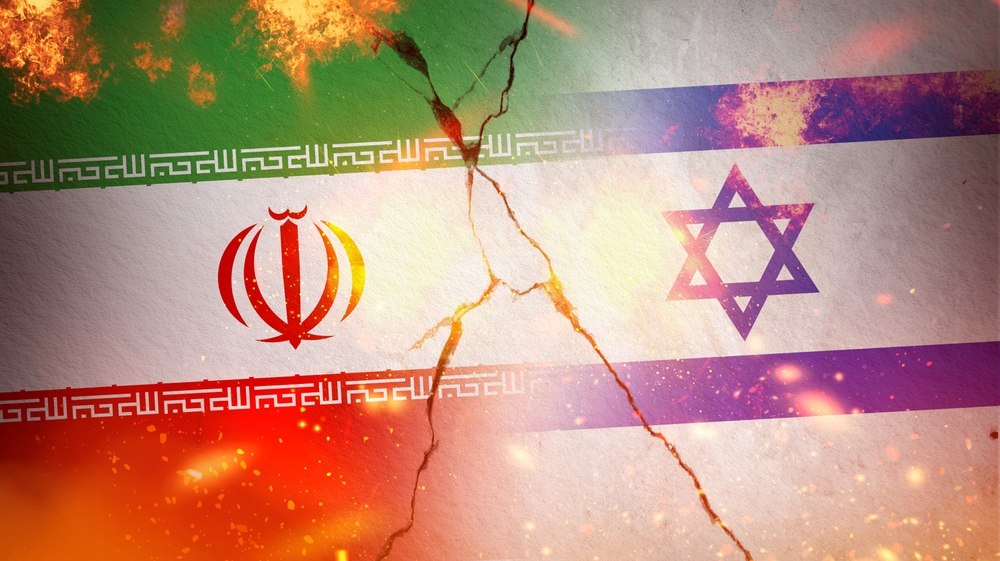
US Feared Israel Planned to Kill Iranian Negotiators, Compromising Peace Talks
Translated from Romanian, summarized and contextualized by DistantNews.
At a glance
News
Named sources
Ongoing story
- The U.S. administration feared Israel might attempt to assassinate two key Iranian negotiators during peace talks between Washington and Tehran.
- Concerns were that such an act could derail the ongoing negotiations, which began in April, and potentially lead to renewed military confrontations.
- The U.S. reportedly asked regional states to warn Iran of potential Israeli targeting, while Iran sought security guarantees through Pakistan and Qatar.
The U.S. administration harbored fears that Israel might plan to assassinate two of Iran's principal negotiators during ongoing peace talks between Washington and Tehran, according to current and former U.S. officials cited by The New York Times. These concerns suggested that the negotiations could be jeopardized.
The American administration feared that Israel could try to assassinate two of Iran's main negotiators during the peace talks between Washington and Tehran.
The officials' worries specifically targeted Iran's Foreign Minister Abbas Araghchi and Parliament Speaker Mohammad Bagher Ghalibaf. U.S. officials believed that eliminating these two individuals could have terminated the talks initiated in April, potentially escalating to military confrontations.
According to the publication, Washington requested that certain regional states warn Iran about potential Israeli targeting of these officials. Concurrently, Iranian authorities sought assurances through Pakistan and Qatar that their delegations would not face attacks during their travel for negotiations.
U.S. officials believed that the elimination of the two would have ended the negotiations started in April and led to the resumption of military confrontations.
The New York Times noted a divergence in objectives between the U.S. and Israel following the commencement of negotiations. While the Trump administration aimed for an agreement to maintain a ceasefire and pave the way for further discussions on Iran's nuclear program, Israel reportedly remained focused on eliminating leaders of the Tehran regime and instigating regime change.
Washington asked some states in the region to warn Iran that Israel could target the two officials.
Sources cited indicated that other Iranian officials perceived as more open to dialogue with Washington, including Ali Larijani (responsible for national security) and former Foreign Minister Kamal Kharazi, were killed during the conflict. A U.S. official confirmed to the American publication that negotiations between Washington and Tehran are continuing, with special envoy Steve Witkoff and Jared Kushner having had "productive" meetings in Qatar. The U.S. president reportedly desires the peace process to "run its course."
The United States and Israel began to differentiate their objectives after the start of the negotiations.
DistantNews Editorial
Originally published by Adevărul in Romanian. Translated, summarized, and contextualized by our editorial team with added local perspective. Read our editorial standards.
More Stories

From Our Blog

What Gets Lost (and Found) When News Is Translated

The Critical Role of Diaspora Media in Global News

What Travellers Should Know About Countries with Restricted Press

A Digital Nomad's Guide to Following Local News

How the Same Story Looks Different in Different Countries
