


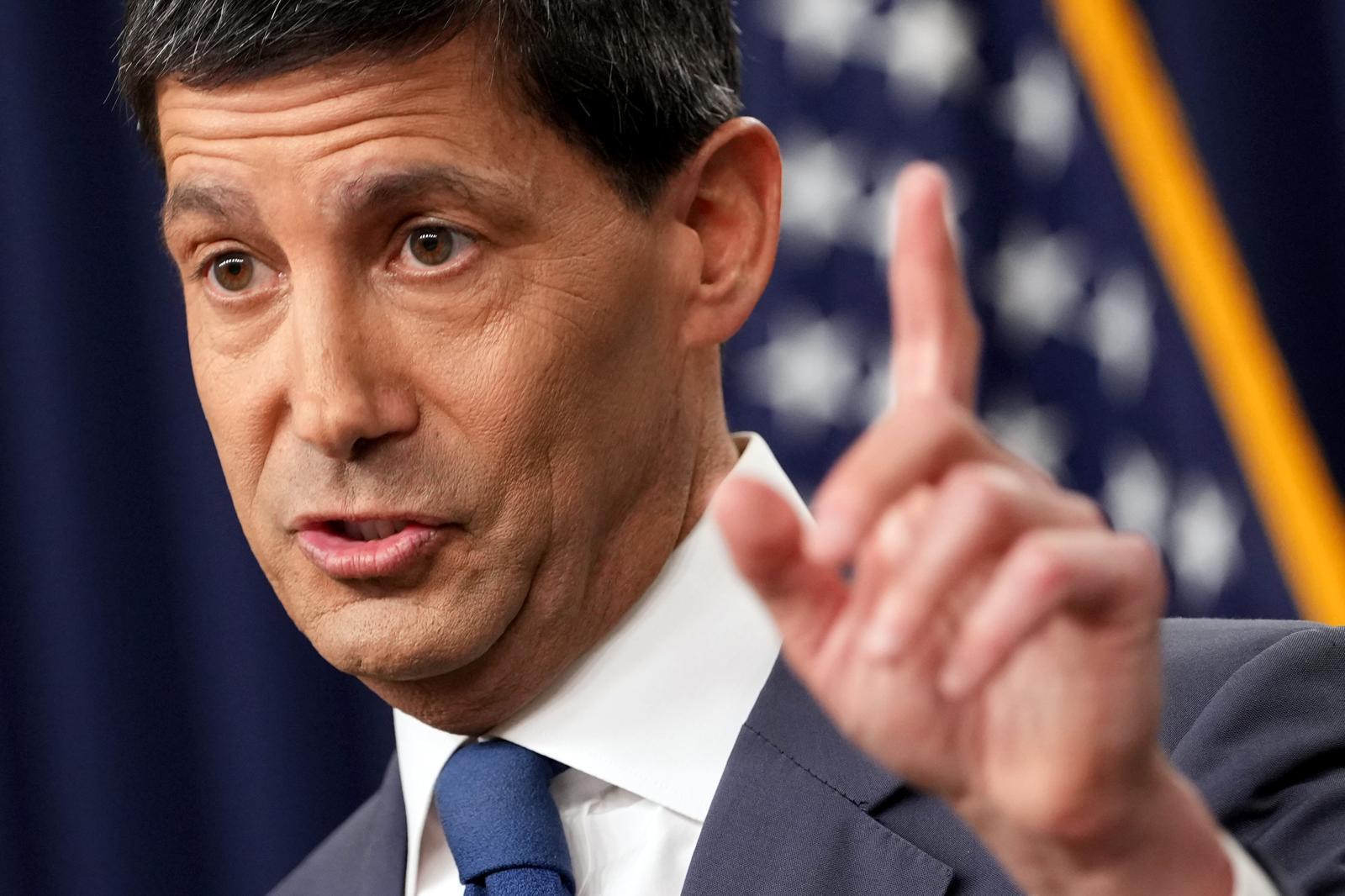
US Fed Holds Rates Steady, Signals Hawkish Future Amid Inflation Concerns
Translated from Korean, summarized and contextualized by DistantNews.
At a glance
Analysis
From a news agency
New plan
- The U.S. Federal Reserve kept its benchmark interest rate unchanged but signaled a hawkish stance, with three members favoring a rate hike.
- Fed Chair Jerome Powell stated that there is no "magic wand" to immediately resolve inflation, emphasizing a commitment to price stability over time.
- The decision puts pressure on the Bank of Korea to consider further rate increases amid global economic uncertainties like rising oil prices and potential impacts on household debt and corporate investment.
The U.S. Federal Reserve maintained its benchmark interest rate, but the decision was not unanimous, signaling a potential shift towards tighter monetary policy. Three out of twelve committee members advocated for a rate increase, leading market analysts to interpret the move as a 'hawkish hold.'
Federal Reserve Chair Jerome Powell acknowledged the complexities of managing inflation, stating, "There is no magic wand" to instantly fix the current economic trends. He affirmed the Fed's commitment to achieving its price stability goals, even if it requires more time. This stance suggests that while immediate rate hikes are off the table, the possibility remains open, especially given the persistent inflationary pressures.
The Fed's decision comes as the Bank of Korea faces increasing pressure to consider its own rate adjustments. Following a recent hike on July 16, the gap between the U.S. and South Korean benchmark rates narrowed to 1.0 percentage point. A continued rise in U.S. interest rates, particularly fueled by high oil prices stemming from Middle East conflicts, could compel the Bank of Korea to implement further increases to manage capital outflows and maintain financial stability.
Such a move could significantly impact South Korea's economy. Higher interest rates would increase the burden on businesses, potentially dampening investment, including crucial AI-driven data center expansions by major tech firms. Small businesses and self-employed individuals, already struggling with sluggish domestic demand, could face greater financial strain due to increased borrowing costs. The nation's substantial household debt, exceeding 1,800 trillion won, presents a particular vulnerability, with mortgage rates already reaching up to 7%.
Authorities are urged to navigate these external challenges carefully. Instead of pursuing expansionary fiscal policies that could counteract monetary tightening, the focus should be on targeted support for low-income households and small businesses most affected by rising rates. Enhanced monitoring of financial institutions is also crucial to prevent any potential contagion from corporate or household defaults spreading to the broader financial system.
There is no magic wand to immediately resolve (the current inflation trend).
DistantNews Editorial
Originally published by Dong-A Ilbo in Korean. Translated, summarized, and contextualized by our editorial team with added local perspective. Read our editorial standards.
More Stories


From Our Blog

What Gets Lost (and Found) When News Is Translated

The Critical Role of Diaspora Media in Global News

What Travellers Should Know About Countries with Restricted Press

A Digital Nomad's Guide to Following Local News

How the Same Story Looks Different in Different Countries
