


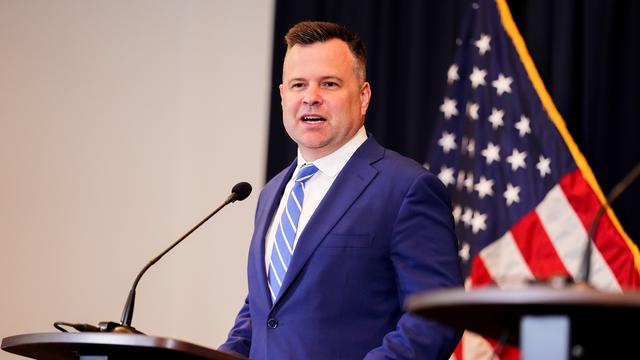
US House blocks extension of surveillance law
Translated from German, summarized and contextualized by DistantNews.
At a glance
News
Sources not specified
Ongoing story
- The U.S. House of Representatives failed to pass a temporary extension of a controversial surveillance law.
- Democrats blocked the extension, demanding President Trump revoke a controversial appointment.
- The surveillance law, Section 702 of the Foreign Intelligence Surveillance Act (FISA), is set to expire on Friday.
A crucial U.S. surveillance law, Section 702 of the Foreign Intelligence Surveillance Act (FISA), faces an uncertain future after the House of Representatives failed to pass a temporary extension. The legislation, which allows intelligence agencies to intercept the communications of foreign targets abroad without a warrant, is set to expire at midnight on Friday.
The extension was blocked by House Democrats, who have linked their support to President Donald Trump revoking the controversial appointment of Bill Pulte as National Intelligence Coordinator. Pulte, an real estate manager, was appointed on a temporary basis to succeed Tulsi Gabbard but lacks experience in intelligence work, a fact that has drawn criticism.
The vote in the House was close, with the extension failing by a margin of 198 to 218. While Democrats were the primary opposition, some Republicans also voted against the measure. The Senate may still attempt to pass its own extension, but the outcome remains uncertain.
President Trump has stated his intention to find a more experienced coordinator in the long term. Meanwhile, Pulte will continue to hold his previous position as chairman of the Federal Housing Finance Agency (FHFA) in addition to his new role. The expiration of Section 702 raises concerns about the U.S.'s ability to conduct foreign intelligence gathering.
DistantNews Editorial
Originally published by Die Zeit in German. Translated, summarized, and contextualized by our editorial team with added local perspective. Read our editorial standards.
More Stories


From Our Blog

What Gets Lost (and Found) When News Is Translated

How the Same Story Looks Different in Different Countries

The Critical Role of Diaspora Media in Global News

What Travellers Should Know About Countries with Restricted Press

A Digital Nomad's Guide to Following Local News
