


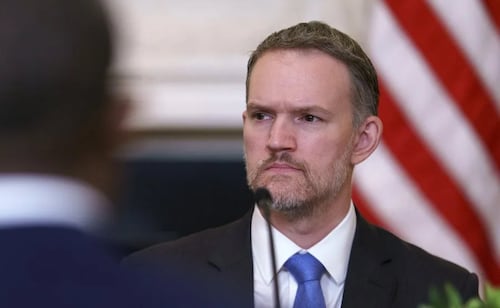
US imposes 10% tariffs on 60 countries, including Mexico, citing forced labor concerns
Translated from Spanish, summarized and contextualized by DistantNews.
At a glance
News
Named sources
New plan
- The United States has imposed a 10 percent tariff on goods from 60 countries, including Mexico, for failing to effectively ban imports produced by forced labor.
- This action replaces an expiring global tariff imposed by former President Donald Trump.
- The tariffs vary, with some countries facing up to 12.5 percent, and include specific exemptions for certain raw materials and goods that could disrupt the economy.
The United States has levied a 10 percent tariff on goods from 60 nations, including Mexico, accusing them of failing to effectively prohibit imports produced through forced labor. U.S. Trade Representative Jamieson Greer stated that this failure constitutes "a burden or restriction on the commerce of the United States, and is therefore subject to action under Section 301(b) of the Trade Act."
Mexico is among the countries facing the 10 percent tariff for not adequately enforcing a ban on goods made with forced labor. Other nations on this list include Argentina, Bangladesh, Cambodia, Canada, Ecuador, El Salvador, Guatemala, Honduras, India, Indonesia, Jordan, Malaysia, Pakistan, Sri Lanka, Trinidad and Tobago, and the United Kingdom.
A separate group of countries, including the European Union, Taiwan, Japan, Korea, and Switzerland, will face tariffs ranging from 10 to 12.5 percent. Countries accused of not having implemented any ban on forced labor imports will be subject to a 12.5 percent tariff. This group includes Algeria, Angola, Australia, the Bahamas, Bahrain, Brazil, Chile, Colombia, Costa Rica, Peru, Russia, and Venezuela.
The announcement comes just before the expiration of a 10 percent global tariff previously imposed by President Donald Trump, which the Supreme Court had invalidated. The U.S. Trade Representative's office noted that certain exceptions would apply, including for raw materials critical to domestic supply, products that could cause widespread economic disruption, and goods not sufficiently available domestically or from other sources. Specific products from certain listed countries are also exempt to encourage compliance with forced labor import bans.
a burden or restriction on the commerce of the United States, and is therefore subject to action under Section 301(b) of the Trade Act.
DistantNews Editorial
Originally published by El Universal in Spanish. Translated, summarized, and contextualized by our editorial team with added local perspective. Read our editorial standards.
More Stories

From Our Blog

What Press Freedom Means for the News You Read

What Gets Lost (and Found) When News Is Translated

The Critical Role of Diaspora Media in Global News

What Travellers Should Know About Countries with Restricted Press

A Digital Nomad's Guide to Following Local News
