


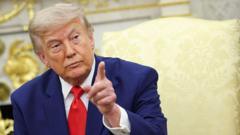
US imposes tariffs on 60 countries over forced labor concerns
Translated from English, summarized and contextualized by DistantNews.
At a glance
News
Named sources
New plan
- The U.S. is imposing new tariffs on imports from about 60 countries due to concerns about forced labor.
- The duties, ranging from 10% to 12.5%, will affect key economic partners and take effect Friday, following a Supreme Court ruling that invalidated previous tariffs.
- Economists warn of higher consumer prices, while affected countries may pursue legal challenges or retaliatory measures.
The United States is implementing new tariffs on imports from approximately 60 trading partners, citing concerns over their failure to adequately prevent forced labor. These duties, set to take effect Friday, will range from 10% to 12.5% and target significant economic partners, including the UK, EU, Canada, Japan, and India.
the most sweeping international labor rights action the United States has ever taken, that any country has ever taken.
This action represents the latest move in the global trade landscape, particularly following a Supreme Court decision earlier this year that deemed many tariffs imposed under emergency powers to be illegal. The administration is now pursuing alternative legal avenues to advance its trade policies. President Trump has historically used tariffs as a tool to stimulate U.S. manufacturing and bolster the American economy, while also leveraging them to influence other nations on issues like labor rules.
Economists have cautioned that increased tariffs could lead to higher prices for everyday goods, as importing companies may pass additional costs onto consumers. The White House maintains that these tariffs are essential for protecting American workers and ensuring fair competition. However, business groups and the targeted countries are expected to resist, with many already considering legal challenges or retaliatory duties.
countries that don't enforce bans on forced labor have an "unfair advantage" over the United States, which does enforce such bans.
The administration is also preparing for further actions, with the U.S. Trade Representative investigating 16 countries for alleged manufacturing overcapacity, which could result in additional duties later this year. Some imports, such as oil and gas, goods not produced in the U.S., or those already subject to sector-specific tariffs like steel, are exempted from these new levies.
This action advances longstanding bipartisan objectives by pairing enforcement with incentives that encourage our trading partners to adopt and effectively enforce the type of import prohibitions that we do.
DistantNews Editorial
Originally published by BBC News in English. Translated, summarized, and contextualized by our editorial team with added local perspective. Read our editorial standards.
More Stories



From Our Blog

What Gets Lost (and Found) When News Is Translated

The Critical Role of Diaspora Media in Global News

What Travellers Should Know About Countries with Restricted Press

A Digital Nomad's Guide to Following Local News

How the Same Story Looks Different in Different Countries
