


US imposes tariffs on polysilicon imports, a key raw material for chips and solar cells
Translated from German, summarized and contextualized by DistantNews.
At a glance
News
Named sources
New plan
- The US has imposed a 15% tariff on polysilicon imports to protect its domestic industry.
- The measure, which also includes minimum import prices, aims to safeguard the solar and semiconductor sectors.
- China has criticized the US action as protectionism, warning it disrupts trade and could harm American companies and consumers.
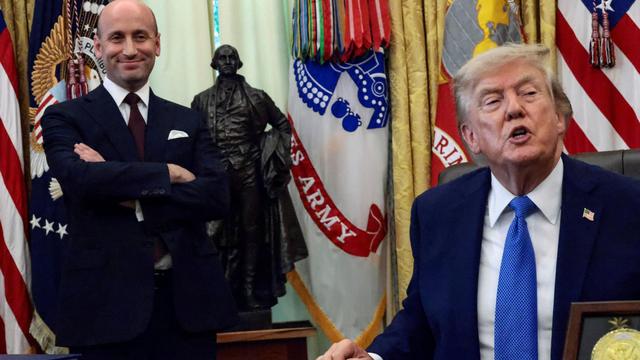
The United States is implementing a 15% tariff on imports of polysilicon, a crucial raw material for solar cells and semiconductors, in a move designed to shield its domestic industry from alleged dumping practices. President Donald Trump signed a decree enacting the tariff, which will take effect 120 days after signing.
In addition to the tariff, the US government has established minimum import prices for polysilicon and related products. These prices are set at $21 per kilogram for polysilicon, $100 per kilogram for blocks and wafers, $0.22 per watt for solar cells, and $0.38 per watt for solar modules. The administration also plans to offer incentives to encourage companies to relocate their production facilities to the United States.
Citing national security concerns, the US government invoked Section 232 of the Trade Expansion Act of 1962, a provision previously used by the Trump administration to impose tariffs on steel, aluminum, and automobiles. Polysilicon, a highly pure material, is manufactured by companies like Germany's Wacker Chemie, which has production facilities in Charleston, Tennessee. The measures are expected to particularly benefit US companies such as Hemlock Semiconductor, a joint venture between Corning and Shin-Etsu Handotai, which have long contended with low-cost competition from China.
China has strongly condemned the US action, with Foreign Ministry spokesperson Lin Jian accusing Washington of overextending the concept of national security and using state power against Chinese enterprises. Beijing argues that such protectionist measures not only disrupt normal trade but also harm American businesses and consumers, and has vowed to protect its companies' rights and interests. This move follows other recent US actions against China, including sanctions on 43 Chinese entities in late July over allegations of forced labor in the Xinjiang region.
Protectionism does not make the US more competitive, but disrupts normal trade and also harms American companies and consumers.
DistantNews Editorial
Originally published by Die Zeit in German. Translated, summarized, and contextualized by our editorial team with added local perspective. Read our editorial standards.
More Stories



From Our Blog

What Gets Lost (and Found) When News Is Translated

How the Same Story Looks Different in Different Countries

The Critical Role of Diaspora Media in Global News

What Travellers Should Know About Countries with Restricted Press

A Digital Nomad's Guide to Following Local News
