

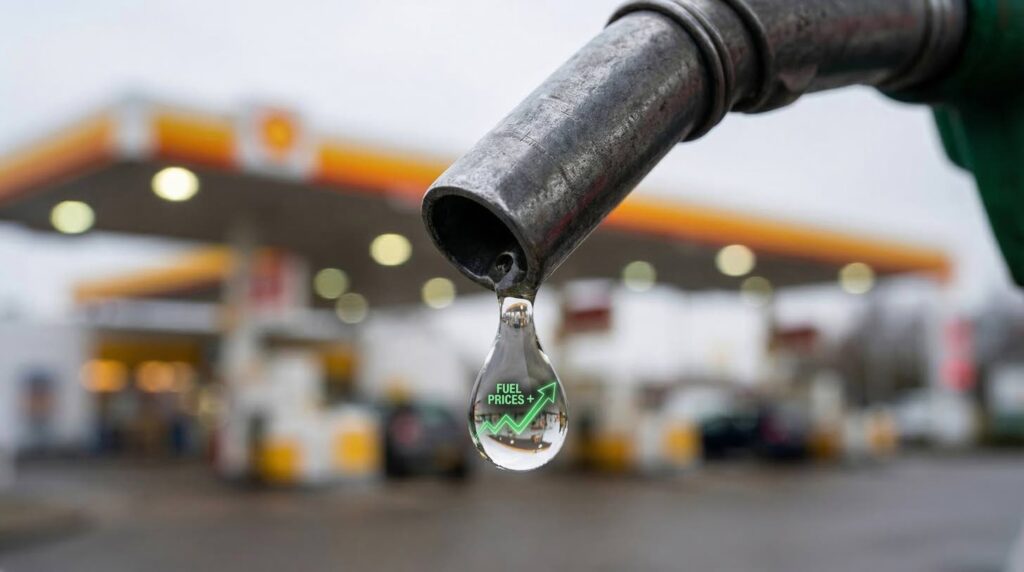

US Inflation Surge Sparks Concerns Over Rising Costs for Jamaica
Translated from English, summarized and contextualized by DistantNews.
At a glance
News
Sources not specified
Context piece
- A recent surge in U.S. inflation, reaching a three-year high of 4.2% in May, is prompting concerns about potential price increases in Jamaica.
- Jamaica's reliance on imports, particularly from the U.S., means that rising overseas costs for goods, fuel, and shipping could eventually impact local prices.
- Jamaicans are advised to monitor upcoming inflation data for May, scheduled for release on June 15, to gauge the extent to which these global price pressures might affect the island's economy.
A recent spike in United States inflation, hitting 4.2% in the 12 months to May, is creating a ripple effect of concern for Jamaica, raising questions about whether consumers and businesses on the island will soon face higher costs.
The primary driver behind the U.S. price increase was a jump in energy costs, linked to global events in the Middle East. While core inflation, excluding food and energy, rose by 2.9%, the overall trend signals a potential challenge for import-dependent economies like Jamaica.
Jamaica imports a significant portion of its goods and services from the U.S., including food, consumer products, machinery, and fuel inputs. Consequently, when prices for these items, along with shipping and freight costs, rise in the U.S., there is a strong likelihood that these increased expenses will eventually be reflected in Jamaican market prices. The extent of this impact is influenced by various factors, including shipping costs, exchange rates, existing business inventories, and whether companies choose to absorb the additional expenses or pass them on to consumers.
While Jamaica's latest inflation figures for April showed a slight overall decrease of 0.3%, largely due to a drop in electricity costs, other sectors like food and transport saw increases. Food prices rose by 0.6%, with fruits like bananas and oranges becoming more expensive, and transport costs climbed 1.1% due to higher petrol prices. This indicates that not all household expenses were falling, and the upcoming May inflation data, due on June 15, will be crucial in determining if the upward pressure from food, transport, and fuel costs continues to drive inflation on the island.
DistantNews Editorial
Originally published by Jamaica Observer in English. Translated, summarized, and contextualized by our editorial team with added local perspective. Read our editorial standards.
More Stories


From Our Blog

What Gets Lost (and Found) When News Is Translated

The Critical Role of Diaspora Media in Global News

What Travellers Should Know About Countries with Restricted Press

A Digital Nomad's Guide to Following Local News

How the Same Story Looks Different in Different Countries
