

US, Iran agree to halt mutual attacks; Hormuz talks set for Qatar
Translated from Korean, summarized and contextualized by DistantNews.
At a glance
News
Named sources
Ongoing story
- The United States and Iran have agreed to halt mutual attacks, according to foreign media reports.
- Both nations will meet in Qatar on June 30 to discuss passage through the Strait of Hormuz, shifting the focus from Iran's nuclear program.
- This de-escalation follows recent tensions and retaliatory strikes, potentially easing fears of further conflict.
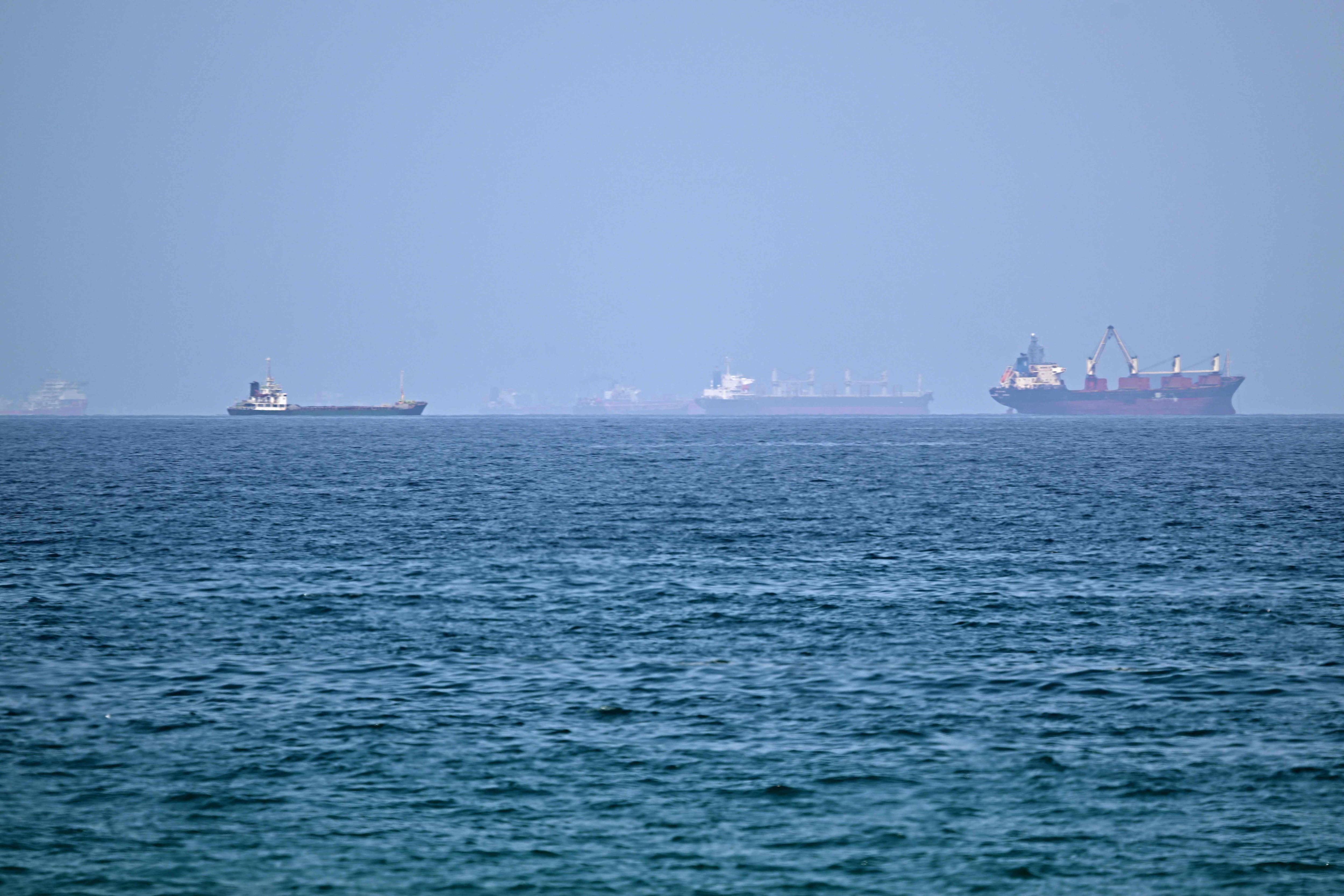
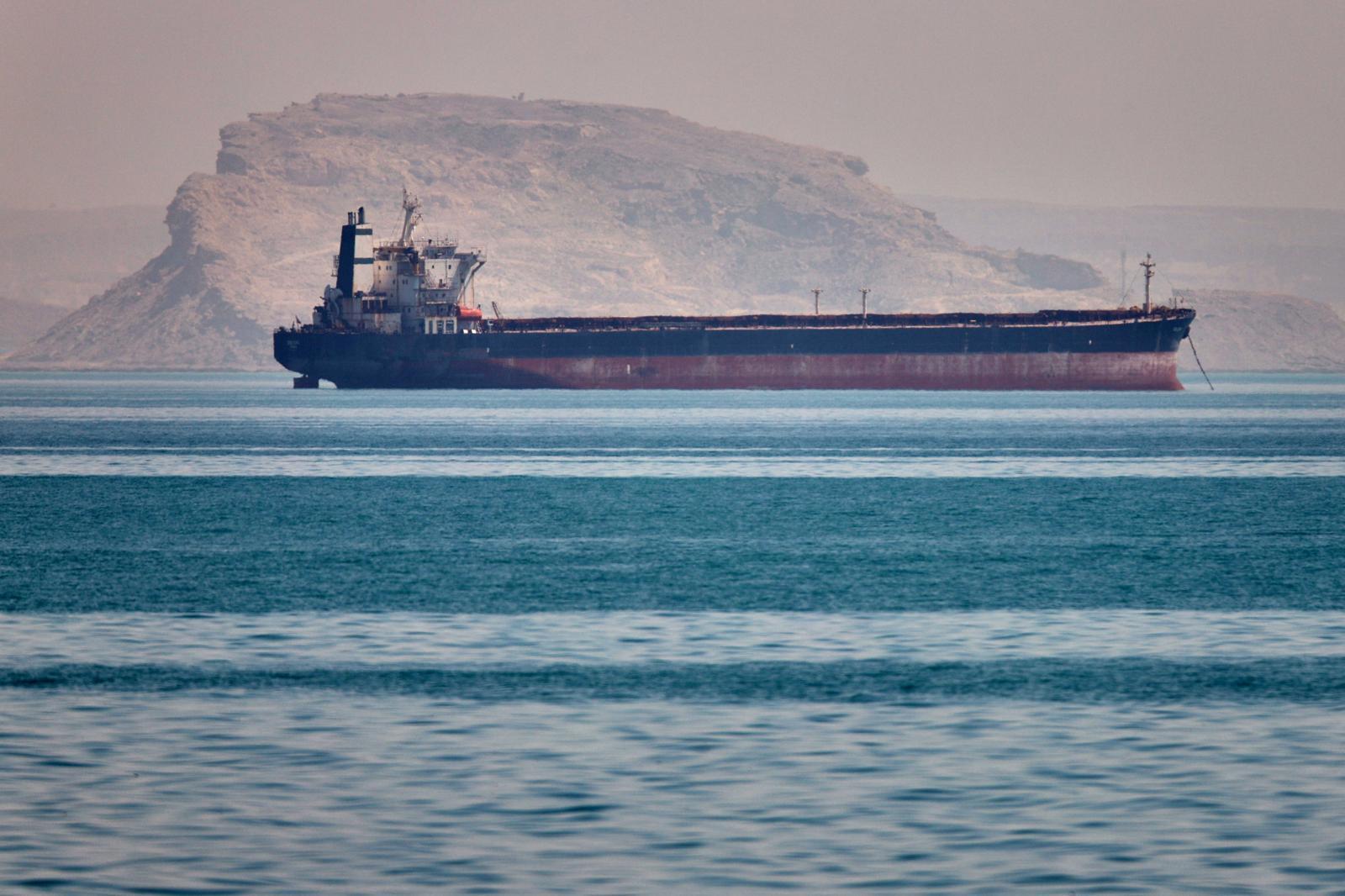
Amidst heightened military tensions in the Strait of Hormuz, reports indicate that the United States and Iran have reached an agreement to cease mutual attacks. A senior U.S. official stated that all military activities would be halted for the time being, allowing for ongoing negotiations and unimpeded passage of vessels.
We have decided to halt all military activities.
This development is set to bring both sides to Qatar's capital, Doha, on June 30 for discussions aimed at resolving disputes concerning the Strait of Hormuz. The meeting's focus has shifted from Iran's nuclear program, which was initially planned for discussion in Switzerland, to the maritime security issues in the crucial waterway.
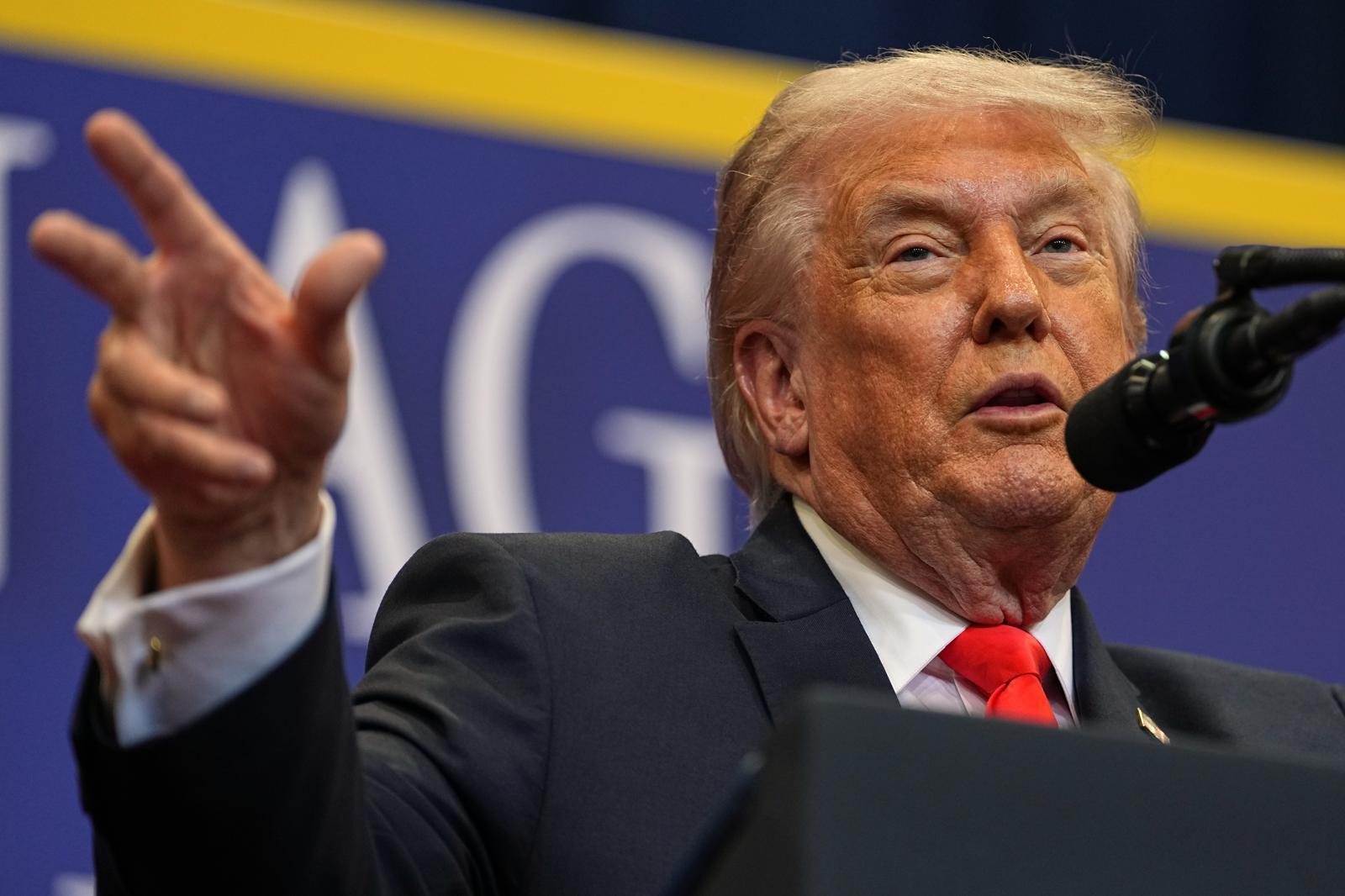
The agreement comes after a recent surge in tensions, with both sides resuming airstrikes just 11 days after a previous ceasefire. U.S. President Donald Trump had also issued a warning of potential further military action. The recent agreement, however, is expected to temper concerns about an escalation of conflict.
Both sides will suspend attacks for the time being, and ships will be able to move freely while negotiations continue.
Previously, the U.S. and Iran had reached a principled agreement via a memorandum of understanding (MOU). Under this, Iran would ensure the safe passage of merchant ships through the Strait of Hormuz, and the U.S. would, in return, lift its blockade on Iranian ports. However, disagreements over the interpretation of this agreement had led to renewed tensions.
We may reach a point where we have to militarily conclude what we have successfully started, because we cannot respond reasonably.
DistantNews Editorial
Originally published by Dong-A Ilbo in Korean. Translated, summarized, and contextualized by our editorial team with added local perspective. Read our editorial standards.
More Stories


From Our Blog

What Gets Lost (and Found) When News Is Translated

The Critical Role of Diaspora Media in Global News

What Travellers Should Know About Countries with Restricted Press

A Digital Nomad's Guide to Following Local News

How the Same Story Looks Different in Different Countries
