



US-Iran Conflict: Where Does Iran’s Internal Politics Stand?
Translated from Vietnamese and summarized by DistantNews. Read the original for the full story.
At a glance
Analysis
Sources not specified
Ongoing story
- The article says the conflict with the United States and Israel has pushed Iran’s internal political factions into a new effort to consolidate power.
- It argues that the theocratic regime has not collapsed through divisions among reformists and hard-liners, while secular, monarchist, bazaar and minority separatist forces have not produced the hoped-for uprising.
- The article describes continuing tensions among reformist, centrist and hard-line factions, alongside a surge of nationalism that has helped the regime remain in place.
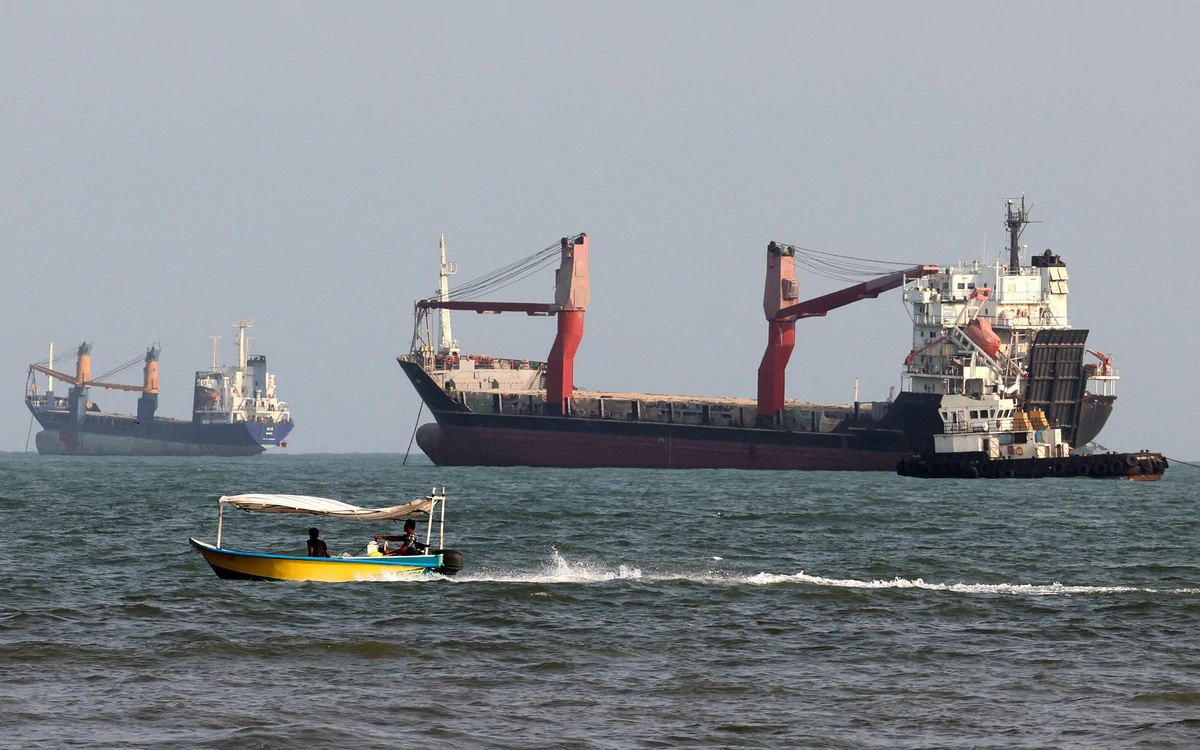
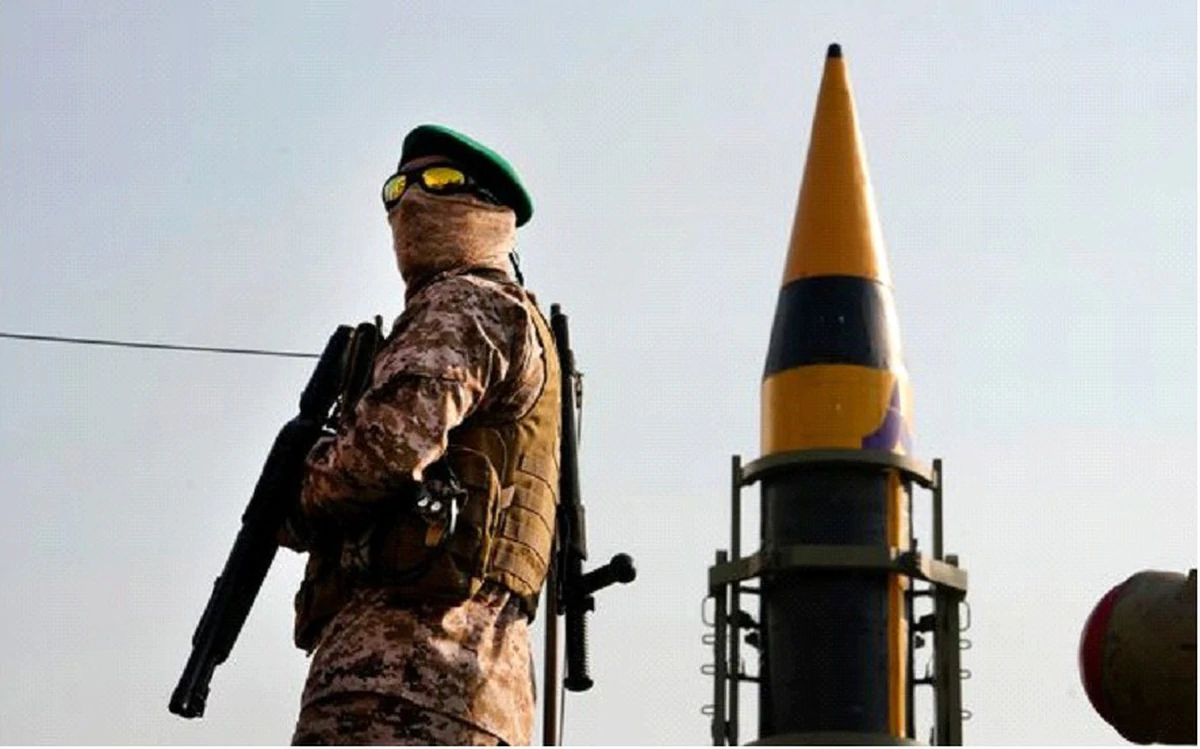
After more than six months of war with the United States and Israel, Iran’s theocratic system remains standing. Rather than producing the collapse that its opponents hoped for, the conflict has pushed Tehran’s political factions into a new struggle to gather strength.
The article says none of the expected fault lines has delivered a decisive uprising. Divisions between reformists and hard-liners have not brought down the religious system. Nor have secular and monarchist forces mounted a political revolt. Hopes that Iran’s young population would turn against the leadership have also gone nowhere. Sixty percent of Iranians were born after the 1979 revolution and, the article notes, do not carry their parents’ and grandparents’ old grievances against the United States and the West.
The bazaar, or merchant community, has not joined an economically driven revolt against the authorities. Kurdish and Baloch movements seeking autonomy or independence have not provided the support Washington and Israel might have expected either. The result, according to the article, is a theocracy hardened by the conflict and by a wave of nationalism.
The system nevertheless contains deep contradictions. President Masoud Pezeshkian’s election in 2024 brought the reformist camp back into power after two decades. The last reformist president, Mohammad Khatami, served from 1997 to 2005. Reformist presidential candidate Mir-Hossein Mousavi, reportedly defeated by fraud in 2009, remained under official house arrest in 2026 and was not allowed to leave his home.
The article describes at least three factions inside the theocracy: reformists, centrists and hard-liners. It also recounts an unverified and unresolved account involving former President Mahmoud Ahmadinejad, a deeply conservative figure who retained popular sympathy for his simple, clean image. The article says it may take years for the truth of that story to emerge. It links the conflict to a further hardening of the leadership after the deaths and injuries described in the report, leaving Iran’s internal political future unsettled.
About this summary
Originally published by Tuổi Trẻ in Vietnamese. Translated, summarized, and contextualized automatically by DistantNews, with a note on how the source frames the story. Not individually reviewed before publishing. How this works.
More Stories
From Our Blog

News in Translation: What Gets Lost, and How We Keep the Framing

Diaspora Media: How Communities Follow News From Home

Traveling Where the Press Is Not Free: How to Read the News There

The Digital Nomad's Guide to Local News

The Same Story, Different Countries: How Coverage Changes at the Border
