


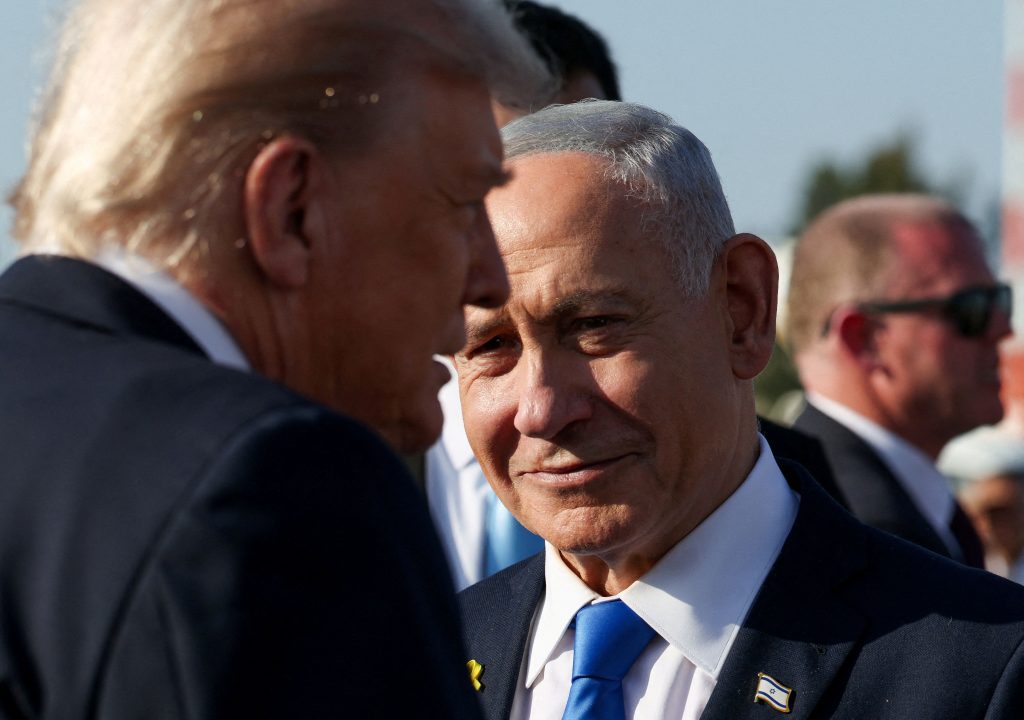
US-Iran deal sparks anger and exclusion in Jerusalem
Translated from French, summarized and contextualized by DistantNews.
At a glance
News
Named sources
New plan
- An American-Iranian framework agreement has caused significant unease and a sense of being sidelined in Jerusalem.
- Israeli media and military circles express concerns over Iran's nuclear program, Hezbollah, and political calculations ahead of elections, suggesting Prime Minister Netanyahu appears weakened.
- The agreement is perceived in Israel as a serious setback and humiliation, with officials feeling excluded from a critical decision-making process impacting their security.
A framework agreement reached between Washington and Tehran has generated profound unease and a feeling of being excluded in Jerusalem, according to Israeli media and military circles. The deal has sparked concerns regarding Iran's nuclear ambitions, tensions with Hezbollah, and political maneuvering ahead of upcoming elections, leaving Prime Minister Benjamin Netanyahu appearing weakened by a diplomatic sequence that Israel views as a strategic setback.
In Jerusalem, the American-Iranian compromise is described as a "serious affront" rather than a diplomatic advancement. Israeli media outlets, such as Maariv, have denounced the agreement, likening it to a capitulation. A commentator on army radio even termed it a "strategic defeat." A prevailing sentiment within both the government and the military establishment is that Israel was kept out of a decisive process for its own security. Several military officials, speaking anonymously to the local press, believe the Jewish state was left "completely out of the game" as Washington made a critical decision without allowing Israel to significantly influence its outcome.
The Iranian regime survives, the ballistic missile and nuclear programs continue.
The relationship between Prime Minister Netanyahu and U.S. President Donald Trump has reportedly become more strained. Reports suggest Trump sharply criticized the Israeli prime minister, calling him a "difficult man." Despite this, Netanyahu has apparently chosen not to respond publicly, likely to avoid further confrontation with the White House, highlighting the current power dynamic. While Israel is outwardly considered an indispensable U.S. ally, this situation demonstrates Washington's ability to dictate the pace on issues deemed vital by Jerusalem.
Opposition figures share a similarly grim assessment. Yair Lapid criticized the agreement, arguing it leaves core issues unresolved: "The Iranian regime survives, the ballistic missile and nuclear programs continue." He believes Israel was treated as a mere executor, receiving directives on national security instead of being consulted as a partner. A primary concern revolves around the approximately 440 kilograms of uranium enriched to 60%, which experts cited by international press suggest could be rapidly brought to near 90% enrichment, a threshold theoretically sufficient for nuclear weapons. Israel also fears Iran may leverage this situation.
The Israeli state was treated as a mere executor, receiving directives on its national security instead of being consulted as a partner.
DistantNews Editorial
Originally published by El Watan in French. Translated, summarized, and contextualized by our editorial team with added local perspective. Read our editorial standards.
More Stories

From Our Blog

What Gets Lost (and Found) When News Is Translated

The Critical Role of Diaspora Media in Global News

What Travellers Should Know About Countries with Restricted Press

A Digital Nomad's Guide to Following Local News

How the Same Story Looks Different in Different Countries
