

US-Iran Peace Deal Details Emerge: Ceasefire, Strait of Hormuz Reopening, Nuclear Talks Ahead
Translated from Vietnamese, summarized and contextualized by DistantNews.
At a glance
News
Named sources
Ongoing story
- The US and Iran have agreed to an "immediate and lasting" ceasefire on all fronts, including Israel-Lebanon.
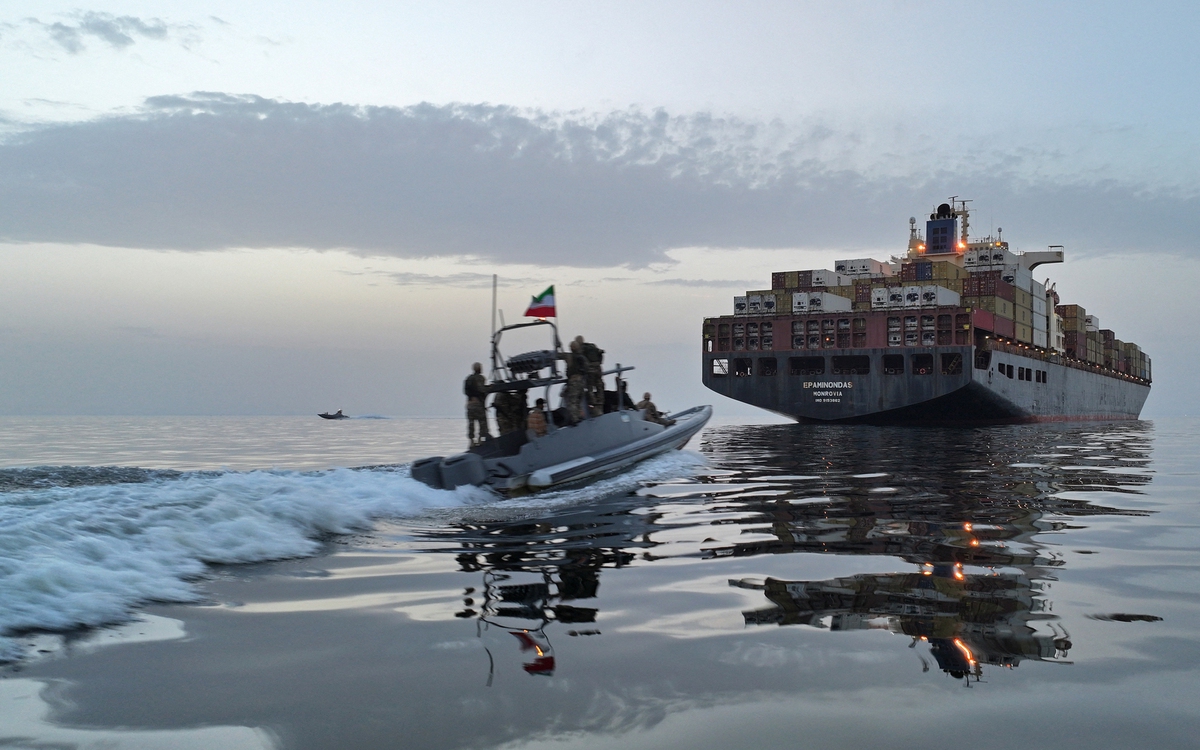
- The US will reopen the Strait of Hormuz to shipping without fees, and Iran's naval blockade will be lifted.
- Technical talks will continue for a formal signing on June 19 in Switzerland, though differences remain on key issues like Iran's nuclear program.
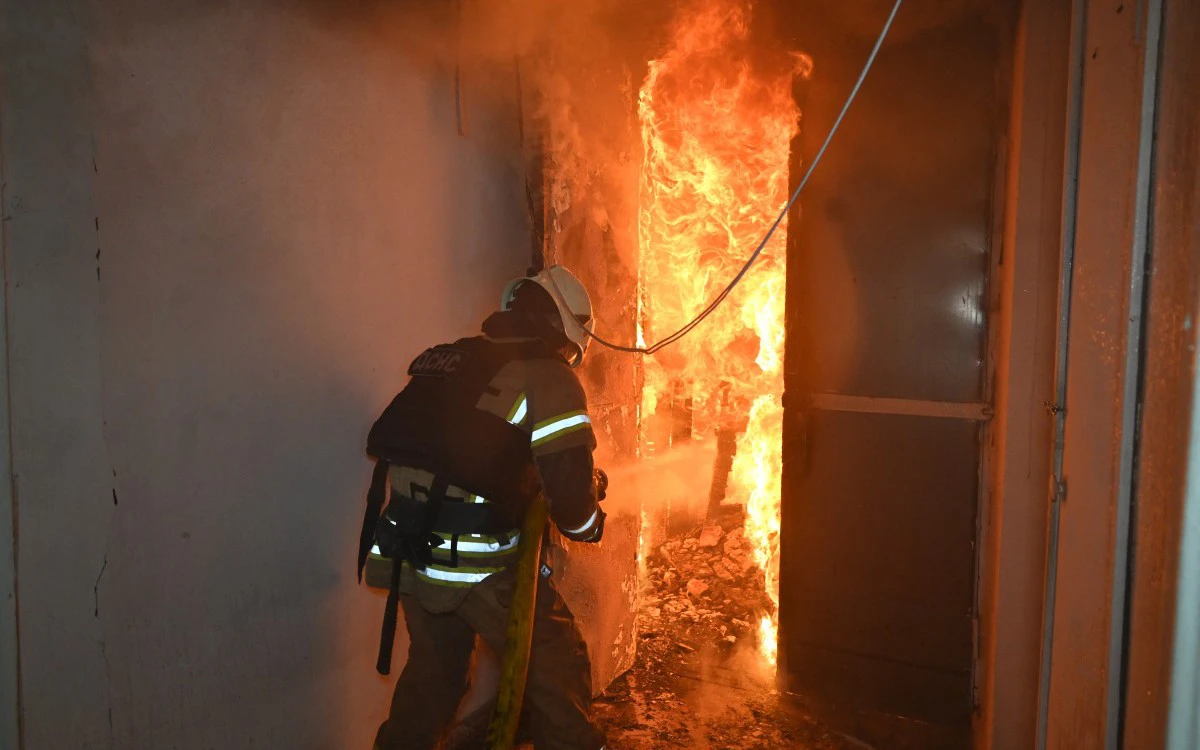
A significant agreement between the United States and Iran, announced on June 15, aims to establish an "immediate and lasting" ceasefire across all fronts, notably including the long-standing conflict between Israel and Lebanon. This breakthrough addresses a key point of contention, as Israel had sought to exclude Lebanon from previous US-Iran negotiations.
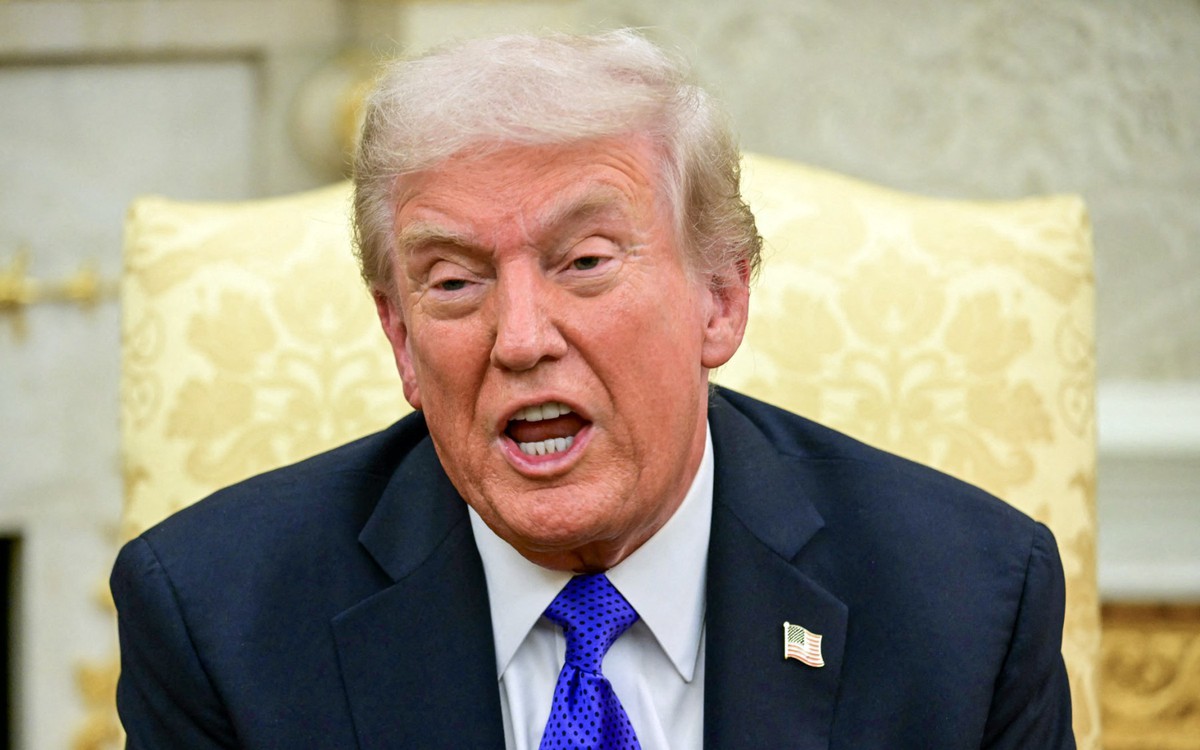
Under the terms of the accord, the Strait of Hormuz will be reopened for global shipping without any associated fees. President Donald Trump announced that the US Navy's blockade of Iranian ports would be immediately lifted. "To the world's ships, start your engines. Let the oil flow!" Trump declared on social media.
Technical negotiations are scheduled to proceed this week, paving the way for a formal signing ceremony planned for June 19 in Switzerland. However, logistical challenges might necessitate an online signing, according to CNN. The memorandum of understanding will initiate a 60-day negotiation period to finalize the framework and resolve remaining issues.
Despite the agreement, discrepancies persist between US and Iranian public statements regarding crucial aspects such as Tehran's nuclear program, regional proxy groups, and frozen Iranian assets. Reuters sources indicate the future of Iran's nuclear program remains uncertain pending further discussions. Iran has stated that final negotiations will conclude within 60 days, with Tehran demanding the lifting of asset blockades, the Hormuz blockade, and a ceasefire before discussing its nuclear program.
Mehr News Agency reported on May 16 that the US would release $12 billion in frozen Iranian assets before negotiations commence. Specifically, $24 billion in assets are to be unfrozen during the 60-day negotiation period, with half to be transferred to Iran before talks begin. A critical unresolved issue is the fate of Iran's 440 kg of 60% enriched uranium, which Iran insists will not be transferred to third parties or taken abroad. A potential compromise could involve Iran agreeing to dilute the enrichment level domestically.
Tôi chính thức cho phép việc mở eo biển Hormuz mà không thu khoản phí nào, đồng thời cho phép dỡ bỏ ngay lập tức sự phong tỏa của Hải quân Mỹ. Hỡi tàu thuyền trên thế giới, hãy khởi động động cơ. Hãy để dầu lưu thông!
DistantNews Editorial
Originally published by Tuổi Trẻ in Vietnamese. Translated, summarized, and contextualized by our editorial team with added local perspective. Read our editorial standards.
More Stories

From Our Blog

What Gets Lost (and Found) When News Is Translated

The Critical Role of Diaspora Media in Global News

What Travellers Should Know About Countries with Restricted Press

A Digital Nomad's Guide to Following Local News

How the Same Story Looks Different in Different Countries
