

US, Iran trade strikes, raising questions about fragile ceasefire
Translated from English, summarized and contextualized by DistantNews.
At a glance
News
Sources not specified
Ongoing story
- US forces intercepted Iranian drones near the Strait of Hormuz and struck Iranian radar installations.
- Iran responded with missiles and drones targeting Gulf states hosting US forces, accusing the US of violating a ceasefire.
- The ongoing military exchanges raise concerns about the erosion of confidence in diplomatic solutions.
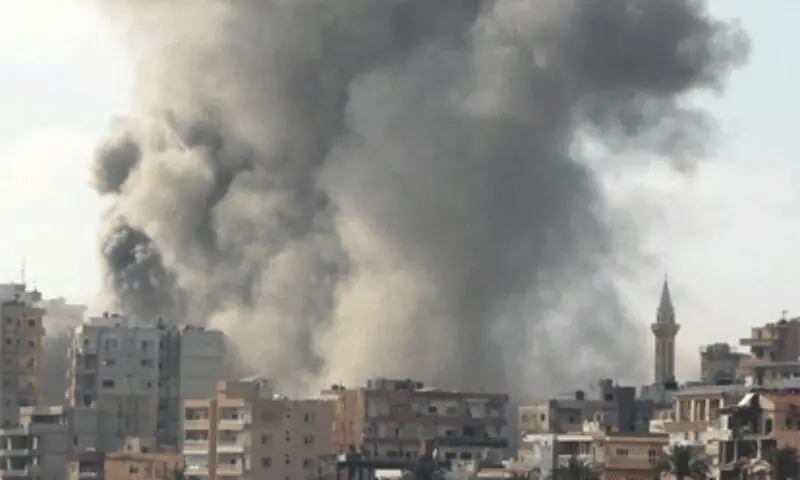
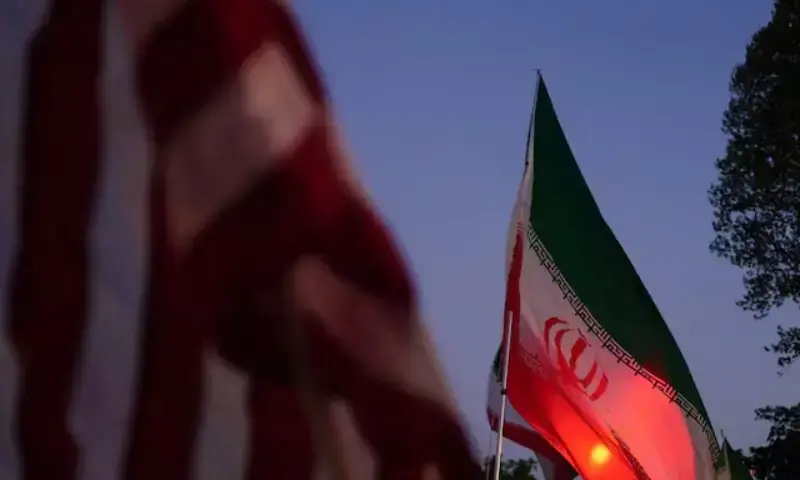
The United States and Iran are engaged in a dangerous cycle of military exchanges, blurring the lines of a supposed ceasefire. American forces reported intercepting Iranian drones near the Strait of Hormuz before launching strikes on Iranian radar installations. Tehran retaliated with missiles and drones aimed at Gulf states that host U.S. troops.
American forces say they intercepted Iranian drones near the Strait of Hormuz before striking Iranian radar installations.
Both nations accuse each other of violating the truce that was intended to halt hostilities in April. Despite these escalations, neither side appears ready to abandon ongoing negotiations, suggesting a complex and precarious diplomatic landscape.
Tehran responded with missiles and drones aimed at Gulf states hosting US forces.
The recurring military actions undermine the purpose of a ceasefire, which is to de-escalate tensions and create space for diplomacy. The primary danger lies not only in the immediate violence but also in the gradual erosion of trust that disputes can be resolved through peaceful negotiation.
Both sides accuse the other of violating the truce that was supposed to halt the conflict in April, yet neither appears willing to abandon negotiations altogether.
DistantNews Editorial
Originally published by Dawn in English. Translated, summarized, and contextualized by our editorial team with added local perspective. Read our editorial standards.
More Stories
From Our Blog

What Gets Lost (and Found) When News Is Translated

The Critical Role of Diaspora Media in Global News

What Travellers Should Know About Countries with Restricted Press

A Digital Nomad's Guide to Following Local News

How the Same Story Looks Different in Different Countries
