


US-Iran War: 107 days of conflict reshape Middle East
Translated from Korean, summarized and contextualized by DistantNews.
At a glance
News
Sources not specified
Outcome reported
- A fictional war between the US and Iran, lasting 107 days, ended with a memorandum of understanding, significantly impacting the Middle East and global energy markets.
- The conflict, initiated by a surprise US-Israeli airstrike on Iran's leadership, drew Iran into a costly asymmetric warfare strategy, including blocking the Strait of Hormuz.
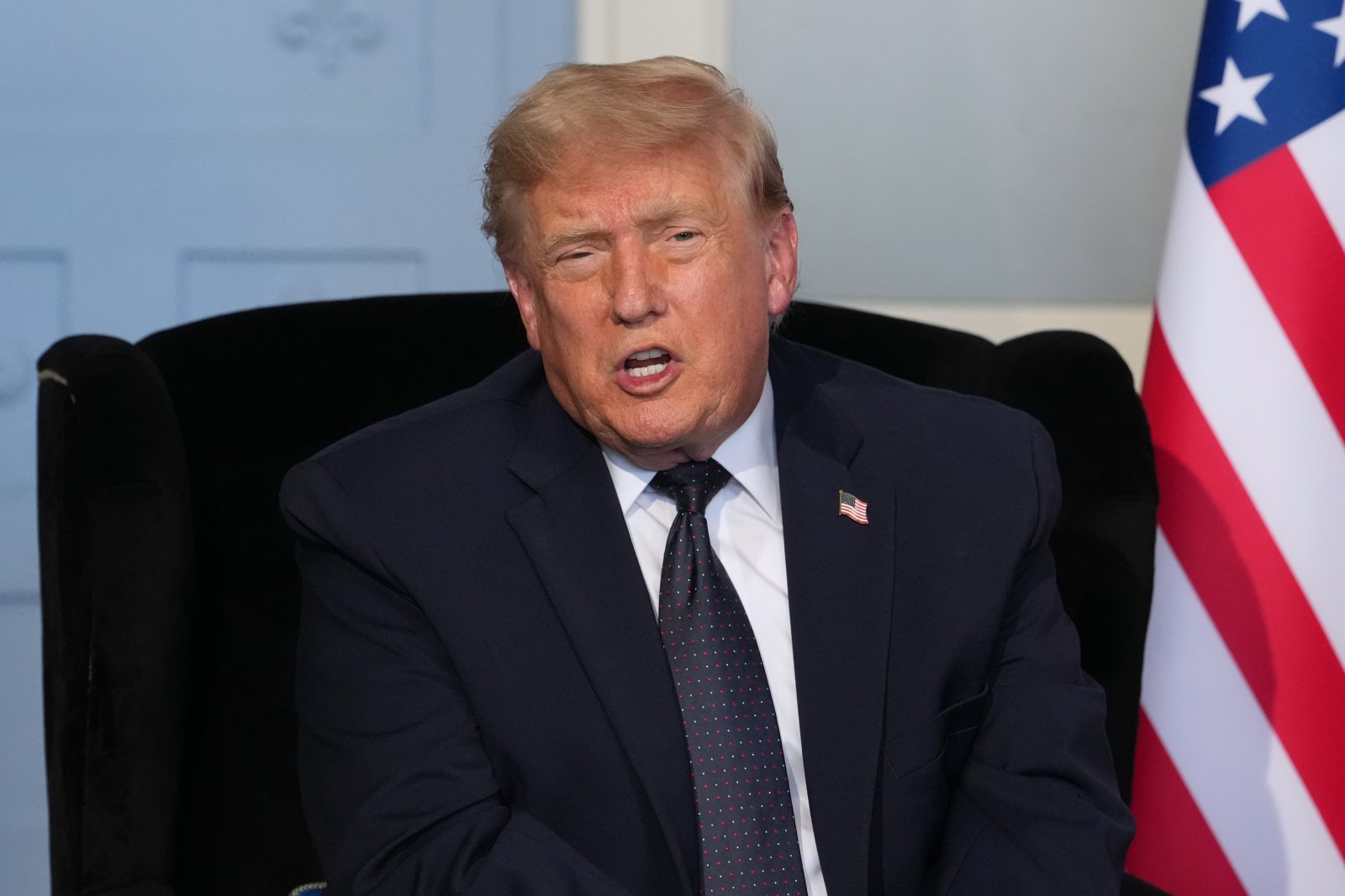
- The war strained US alliances and led to increased military spending globally, with former President Trump's leadership facing damage.
A hypothetical 107-day war between the United States and Iran, which began with a surprise US-Israeli airstrike on February 28, 2026, concluded with the signing of a memorandum of understanding. This conflict, which erupted without a formal declaration of war, devastated the Middle East, disrupted global energy markets, and fractured long-standing international order. The war also damaged the leadership of then-President Donald Trump, prompting increased security measures across Middle Eastern nations and raising the possibility of a global arms race.
The war was not declared, but it burned across the Middle East, shook the global energy market, and cracked the international order that had been solidified for decades.
The conflict was characterized by simultaneous negotiation and attack. While US and Iranian representatives were engaged in nuclear talks in Oman, and a breakthrough was announced just days before the airstrike, President Trump had already authorized the military operation, codenamed 'Magnificent Fury.' US Secretary of State Marco Rubio later admitted that Israel initiated the attack based on intelligence about Iranian leadership gatherings, and the US joined to counter anticipated Iranian retaliation against US facilities.
Following the initial US-Israeli airstrikes targeting key Iranian leaders, including Supreme Leader Ali Khamenei, Iran retaliated by blocking the Strait of Hormuz, through which 20% of the world's oil passes. Iran also launched attacks on US military bases and energy facilities in neighboring countries, transforming the conflict into a global energy war. Employing cost-effective drones against expensive US interceptor systems, Iran pursued an asymmetric warfare strategy that depleted US Patriot and THAAD missile inventories.
The US was dragged into Israel's war.
The war inflicted significant damage on both sides. While Iran suffered immense losses, US military assets in the Middle East were also heavily impacted, with numerous bases reporting damaged or destroyed equipment, including early warning aircraft and missile defense radars. The conflict also saw Iran receiving support from Russia, which shared intelligence on US facilities, and declarations of support from Iran-aligned groups like Hezbollah, the Iraqi Shia militias, and the Houthi rebels, expanding the conflict across the region. US allies in the Gulf, while targeted, were hesitant to retaliate strongly due to fears of further escalation, exacerbating existing rifts within US alliances.
Iran's gamble was to turn this war into a global energy war, not a war with the United States.
DistantNews Editorial
Originally published by Hankyoreh in Korean. Translated, summarized, and contextualized by our editorial team with added local perspective. Read our editorial standards.
More Stories


From Our Blog

What Gets Lost (and Found) When News Is Translated

The Critical Role of Diaspora Media in Global News

What Travellers Should Know About Countries with Restricted Press

A Digital Nomad's Guide to Following Local News

How the Same Story Looks Different in Different Countries
