

US launches new strikes on Iran after container ship hit in Hormuz; IRGC announces closure of vital strait
Summarized and contextualized by DistantNews.
At a glance
News
Named sources
Ongoing story
- The US military conducted new strikes on Iran after Iranian forces hit a container ship in the Strait of Hormuz.
- Iran announced the closure of the vital strait, warning of severe retaliation for any further action.
- The conflict has destabilized the Gulf, impacting global energy prices and inflation, with implications for upcoming US elections.
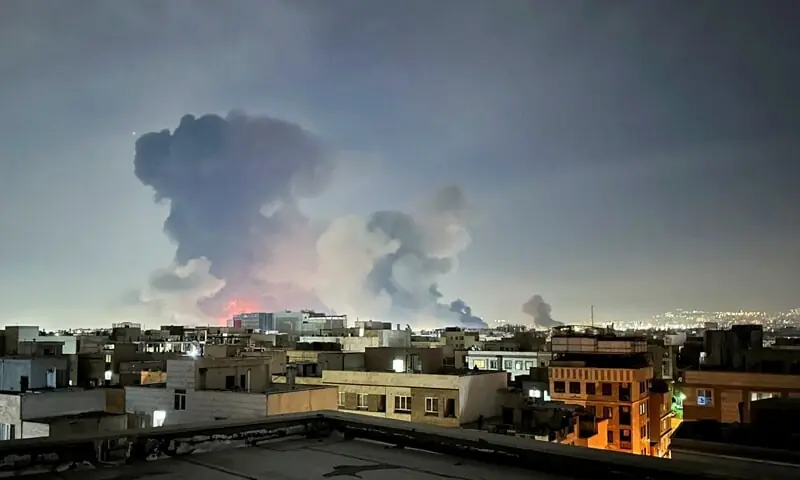
The United States military launched a new round of strikes against Iran, marking the third such action in a week. This escalation followed an incident where Iran's Islamic Revolutionary Guard Corps (IRGC) struck a container ship navigating the Strait of Hormuz on Sunday.
Iranian state media reported explosions in several port cities following the US strikes. The recent series of attacks has led President Donald Trump to declare an end to a ceasefire intended to halt the ongoing conflict, though he has indicated a willingness for continued negotiations. Iran responded by closing the critical Strait of Hormuz after firing a warning shot that hit a vessel traveling on an unauthorized route, issuing a stern warning of a "severe response" to any retaliation.
The US Central Command identified the damaged vessel as the Cyprus-flagged M/V GFS Galaxy, reporting significant engine-room damage and a missing civilian crew member. The United Kingdom Maritime Trade Operations Centre confirmed the crew had abandoned the damaged ship. In parallel, Iran's Revolutionary Guards claimed to have destroyed a command and control center and drone hangars at a base in Jordan, a US ally. The United Arab Emirates reported its air defense systems intercepted Iranian missiles and drones, while Qatar intercepted a missile attack amid air raid sirens in Bahrain and explosions heard in Doha.
The escalating conflict has destabilized the Persian Gulf region. Iran's effective blockade of the Strait of Hormuz has driven up global energy prices and fueled inflation, a politically sensitive issue for President Trump ahead of the November congressional elections. Iran stated that several ships ignored warnings to correct their course while attempting to transit the waterway on "unauthorized routes." The IRGC declared the strait, which previously handled one-fifth of the world's oil and LNG supplies, would remain closed until "the end of US interference in this region."
US Central Command initiated its strikes shortly after Iran's statement, which included threats against "new enemy bases" in the Middle East if the US retaliated. Washington is demanding Tehran publicly commit to halting attacks on ships and ensuring the free passage through the strait. Iran's Foreign Minister Abbas Araghchi accused the US of violating the ceasefire agreement, emphasizing the need for "mutual compliance."
There can only be mutual compliance.
DistantNews Editorial
Originally published by Dawn. Summarized and contextualized by our editorial team with added local perspective. Read our editorial standards.
More Stories

From Our Blog

What Gets Lost (and Found) When News Is Translated

The Critical Role of Diaspora Media in Global News

What Travellers Should Know About Countries with Restricted Press

A Digital Nomad's Guide to Following Local News

How the Same Story Looks Different in Different Countries
