

US launches new strikes on Iran, revokes oil sanctions after Strait of Hormuz attacks
Translated from English, summarized and contextualized by DistantNews.
At a glance
News
Named sources
Ongoing story
- The US military launched new strikes against Iran, targeting over 80 sites after projectiles hit three tankers in the Strait of Hormuz.
- The strikes aimed to degrade Iran's ability to attack commercial shipping and were intended to impose 'heavy costs' on Iran.
- The US also revoked a license allowing Iran to sell oil, a move that increased oil prices and potentially jeopardizes a recent ceasefire agreement.
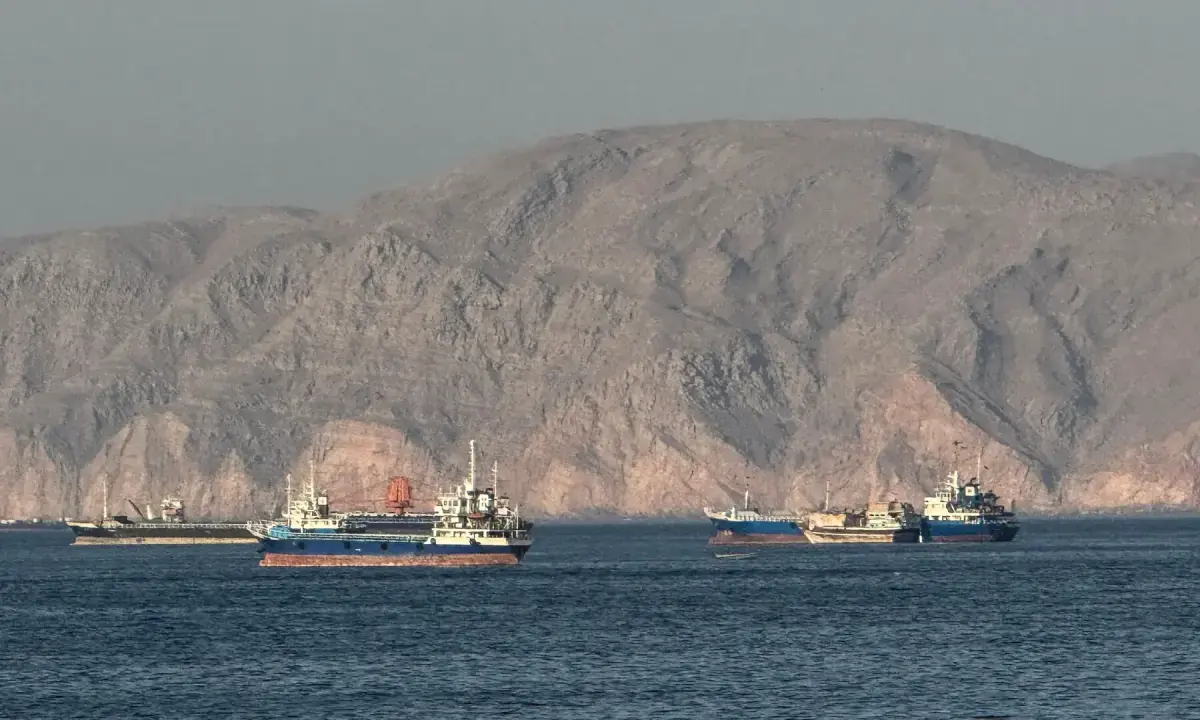
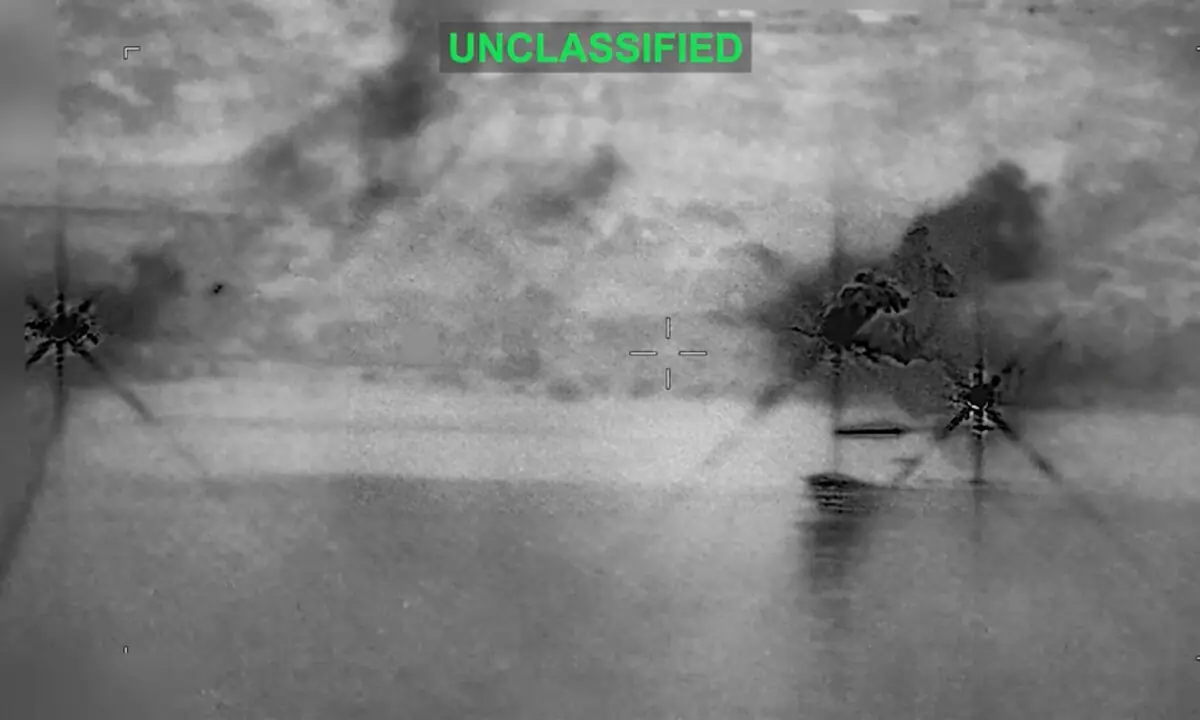
The United States military unleashed a new wave of strikes against Iran, hitting over 80 targets in response to recent attacks on commercial shipping in the Strait of Hormuz. The strikes, conducted by the US Central Command (Centcom), were designed to degrade the Islamic Revolutionary Guard Corps' (IRGC) ability to attack vessels and impose what the US called "heavy costs" on Iran.
Centcom stated that the "unwarranted aggression by Iranian forces is a clear and dangerous violation of the ceasefire and undermines freedom of navigation." The military command reported hitting more than 60 small IRGC boats. Iranian media, however, reported explosions on Kharg Island, Iran's main oil hub, as well as on Qeshm Island and in the southern port cities of Sirik and Bandar Abbas. While no civilian deaths were reported, shrapnel from an "enemy projectile" injured several people at a commercial pier in Sirik, and fishing boats were set ablaze in Sirik and Bandar Abbas.
The unwarranted aggression by Iranian forces is a clear and dangerous violation of the ceasefire and undermines freedom of navigation.
Adding to the pressure, the US revoked a general license that had permitted Iran to sell crude oil and related products on international markets. This decision, which gives Iran until July 17 to wind down transactions, was a significant concession under a recent interim agreement. The move sent oil prices up more than 3%, potentially jeopardizing the fragile ceasefire that began in February following earlier US and Israeli strikes.
Iran's foreign ministry condemned the US actions as a breach of the framework agreement to end the war. Meanwhile, Iran's top joint military command vowed a "crushing response" to the "blatant act of aggression" and warned against further US interference in the Strait of Hormuz. The US official indicated that the strikes targeted Iranian air defense systems, coastal surveillance systems, surface-to-air missiles, anti-ship cruise missiles, and drone launch sites.
Iranian armed forces would deliver a 'crushing response' to the 'blatant act of aggression', and warned that Tehran would not allow US interference in the management of the Strait of Hormuz.
DistantNews Editorial
Originally published by Dawn in English. Translated, summarized, and contextualized by our editorial team with added local perspective. Read our editorial standards.
More Stories



From Our Blog

What Gets Lost (and Found) When News Is Translated

The Critical Role of Diaspora Media in Global News

What Travellers Should Know About Countries with Restricted Press

A Digital Nomad's Guide to Following Local News

How the Same Story Looks Different in Different Countries
