


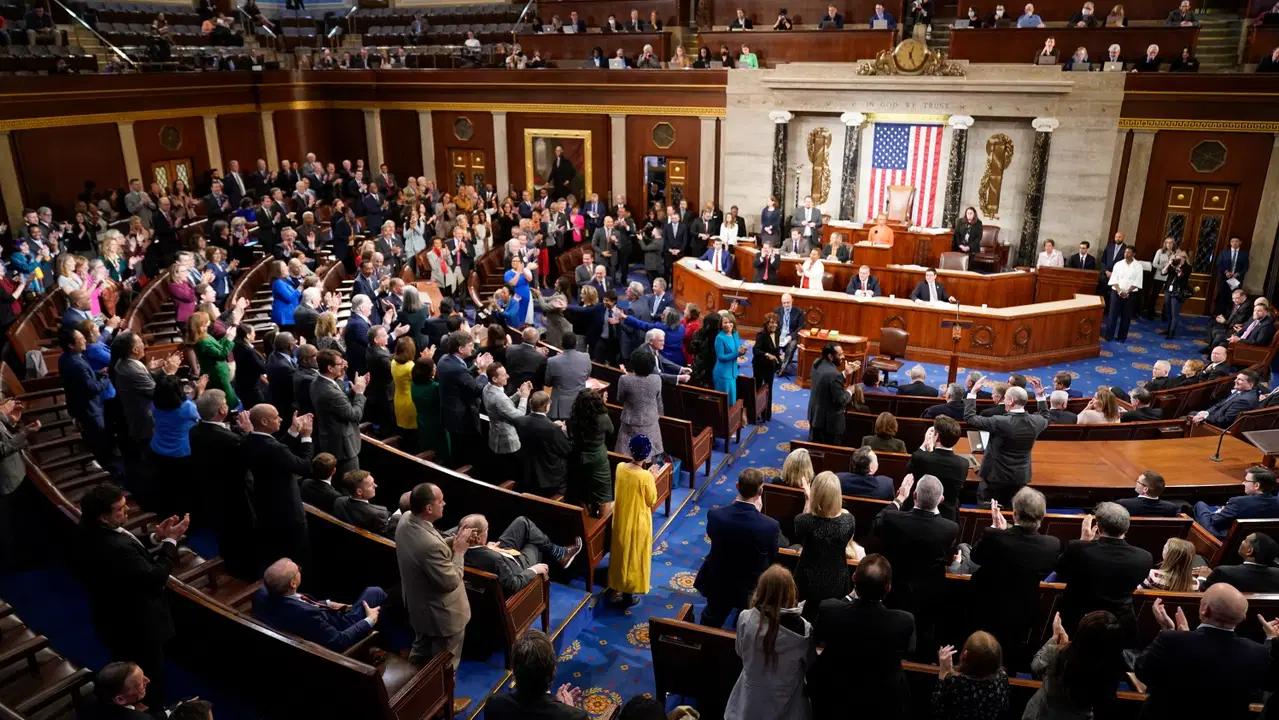
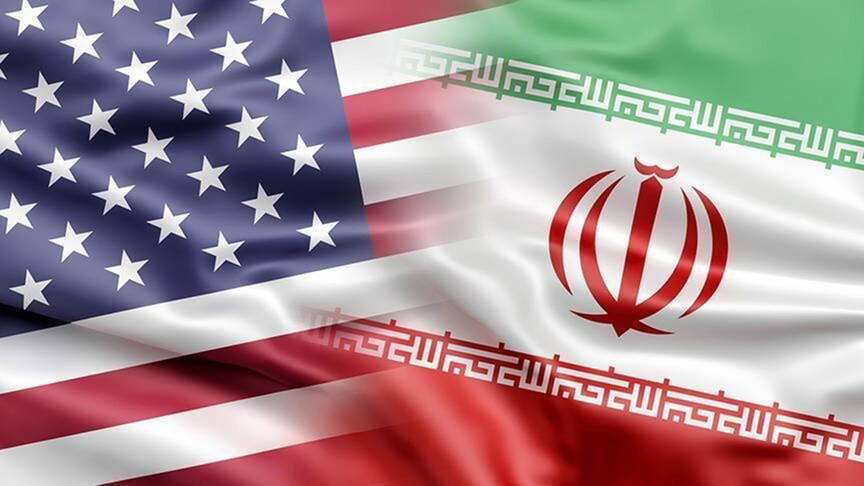
US law could hinder Iran nuclear deal, lawmakers divided
Translated from Turkish, summarized and contextualized by DistantNews.
At a glance
News
Sources not specified
Context piece
- A 2015 U.S. law, the Iran Nuclear Deal Review Act (INARA), could pose a significant obstacle to any comprehensive agreement between the U.S. and Iran.
- INARA requires the president to submit any deal to Congress for review within five days, allowing lawmakers up to two months to delay its implementation and potentially vote to reject it.
- While some U.S. officials express willingness to review a potential deal, Republican senators voice skepticism about negotiations with Iran, citing concerns about regional power dynamics.
A decade-old U.S. law could complicate or even derail any potential comprehensive agreement between the United States and Iran, even if negotiators manage to reach a consensus. The Iran Nuclear Deal Review Act (INARA), enacted in 2015, imposes significant congressional oversight on presidential dealings with Iran.
The INARA legislation mandates that any agreement reached by the president with Iran must be presented to Congress within five days of signing. This process allows lawmakers a period of up to two months to review the deal. During this time, Congress has the authority to delay the agreement's implementation and can even hold a vote to reject it, although the president retains veto power.
Some U.S. lawmakers have indicated a willingness to consider a deal under INARA's framework. Representative Joaquin Castro, speaking during a House Foreign Affairs Committee session, stated his intention to approach any deal subject to INARA review with an open mind, urging similar openness from his colleagues. Secretary of State Antony Blinken assured Representative Brad Schneider that the administration would comply with INARA.
However, skepticism persists within the Republican party. Senator Roger Wicker suggested that pursuing a deal with Tehran might project an image of weakness, while Senator Lindsey Graham warned of significant shifts in regional power balances. Despite these concerns, Graham expressed confidence that President Trump would ultimately not accept a "bad deal" with Iran.
It remains unclear how Congress will exercise its powers under INARA. Former Trump administration officials note that any agreement concerning Iran's nuclear program, including uranium-related matters, would automatically trigger INARA's provisions. Even statements from the president regarding Iran's nuclear ambitions could potentially necessitate congressional review, according to these officials.
DistantNews Editorial
Originally published by Cumhuriyet in Turkish. Translated, summarized, and contextualized by our editorial team with added local perspective. Read our editorial standards.
More Stories

From Our Blog

What Gets Lost (and Found) When News Is Translated

The Critical Role of Diaspora Media in Global News

What Travellers Should Know About Countries with Restricted Press

A Digital Nomad's Guide to Following Local News

How the Same Story Looks Different in Different Countries
