

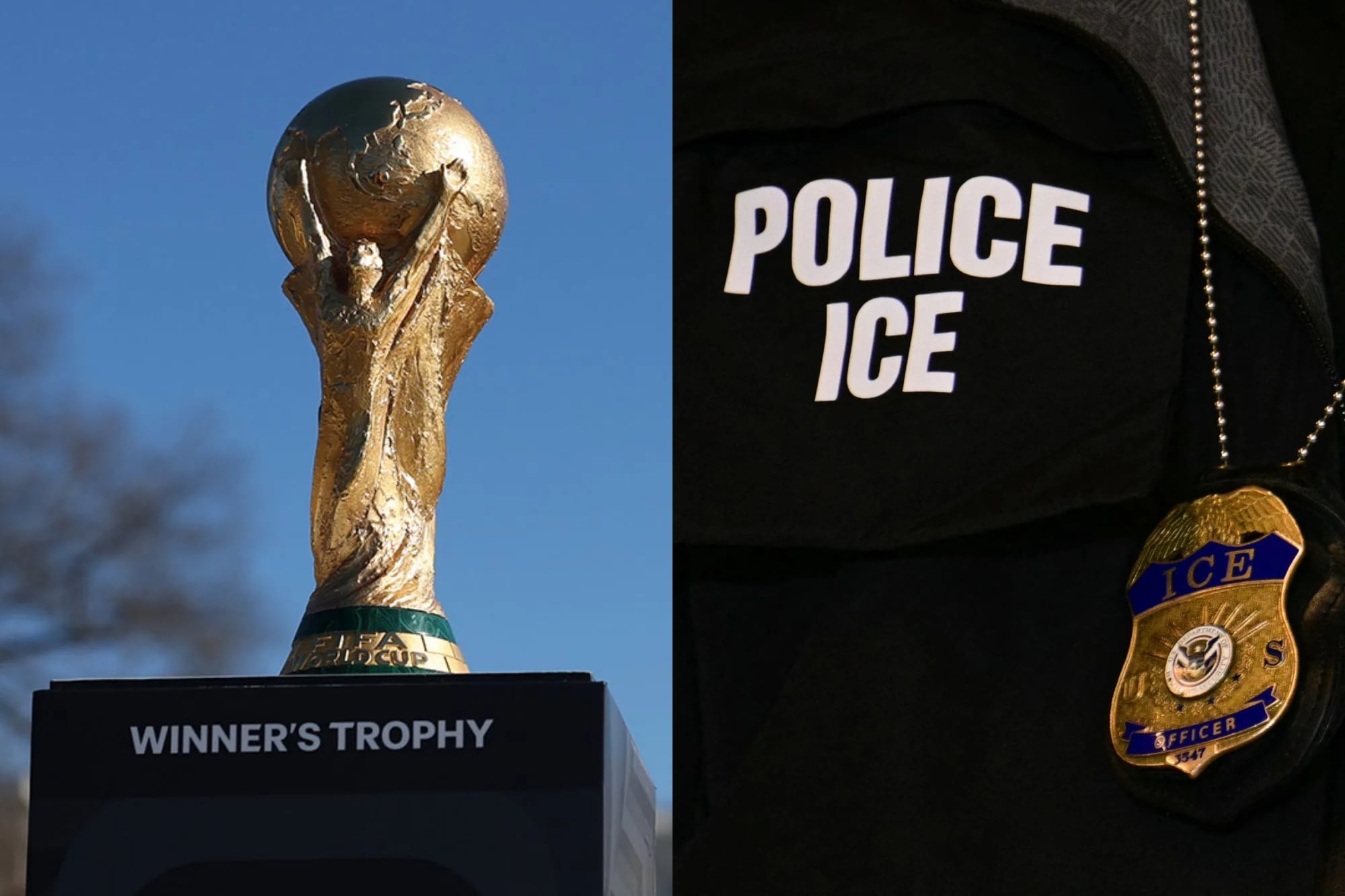
US Lawmakers Propose "Save the World Cup Act" to Bar ICE Near 2026 Tournament Venues
Translated from Spanish, summarized and contextualized by DistantNews.
TLDR
- Three US lawmakers are proposing the "Save the World Cup Act" to prohibit ICE operations near 2026 World Cup stadiums.
- The bill aims to create a safe environment for attendees, particularly impacting the migrant community.
- It would restrict ICE enforcement within a 1.6-kilometer radius of stadiums and FIFA Fan Festival areas, with exceptions for emergencies.
In a move aimed at safeguarding attendees during the 2026 World Cup, a group of U.S. lawmakers has introduced the "Save the World Cup Act." This proposed legislation seeks to prevent Immigration and Customs Enforcement (ICE) operations in the vicinity of stadiums and official fan zones, a measure that could significantly impact the migrant community.
The bill, spearheaded by Representative Nellie Pou and co-sponsored by other Democratic congress members, intends to ensure a secure atmosphere for all participants and spectators. It specifically targets the restriction of federal funds for immigration enforcement within a 1.6-kilometer radius of World Cup events. This initiative follows warnings from Amnesty International about potential human rights violations linked to U.S. immigration policies during the tournament.
From a U.S. perspective, this legislation reflects an ongoing debate about immigration enforcement and the balancing of security concerns with the rights of vulnerable populations. While the intent is to protect attendees, particularly migrants who may fear deportation, the practical implications and potential loopholes, such as emergency exceptions, will be closely watched. The bill's journey through Congress will be a critical test of these competing priorities, highlighting how major international events can become focal points for domestic policy discussions.
DistantNews Editorial
Originally published by La Nación in Spanish. Translated, summarized, and contextualized by our editorial team with added local perspective. Read our editorial standards.
More Stories


From Our Blog

What Gets Lost (and Found) When News Is Translated

The Critical Role of Diaspora Media in Global News

What Travellers Should Know About Countries with Restricted Press

A Digital Nomad's Guide to Following Local News

How the Same Story Looks Different in Different Countries
