


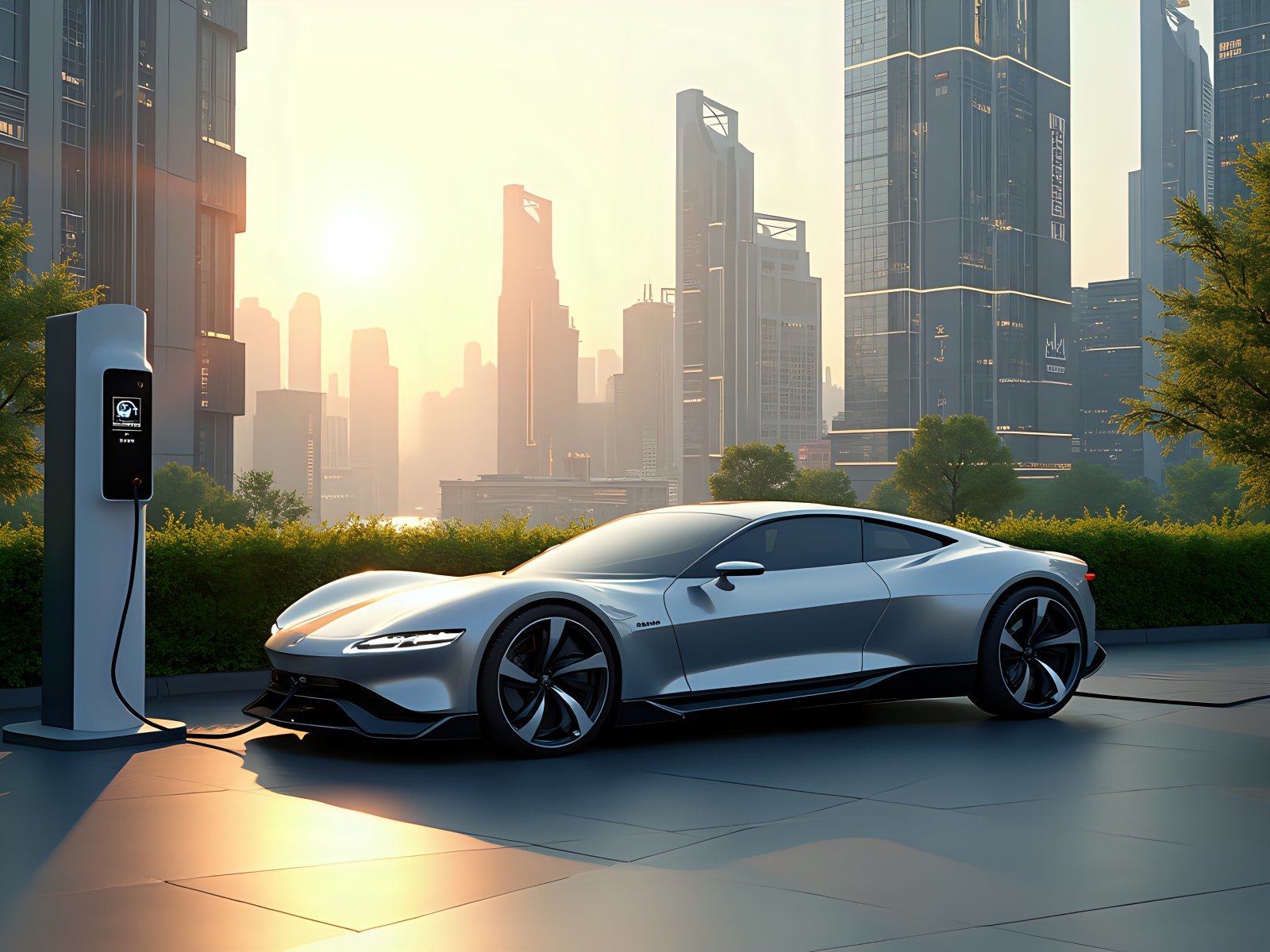
US lawmakers seek to permanently bar a $35,000 Chinese luxury SUV, calling connected cars ‘wheeled surveillance tools’
Translated from Korean and summarized by DistantNews. Read the original for the full story.
At a glance
Analysis
Named sources
Ongoing story
- The proposed Connected Vehicle Security Act of 2026 would codify and expand US Commerce Department restrictions on connected vehicles linked to China, Russia, Iran or North Korea.
- Chinese automaker Geely’s Galaxy M9, priced at about $35,000 in China, offers extensive luxury features and a range of up to about 660 miles using electric and gasoline power.
- Supporters cite competition and national security, while analysts and an academic argue that vertical integration and lower costs help explain Chinese pricing and that security standards could offer an alternative to a blanket ban.
A six-seat Chinese luxury SUV that sells for about $35,000 in China has become a symbol of the US debate over whether to shut connected cars out of the American market. The Geely Galaxy M9 combines a plug-in hybrid powertrain with features including massage and heated leather seats, a 30-inch display and wireless charging.
The highest-specification model tested by The New York Times could travel about 110 miles on electricity alone and about 660 miles with electric and gasoline power combined. It also included a vehicle refrigerator, an in-car wireless karaoke system, a 17-inch second-row screen, 27 speakers and nine airbags. The vehicle could park itself when a driver moved its icon to a chosen parking space on the display, and reclining seats could form a bed.
The M9 is unlikely to reach US showrooms under current rules. Chinese electric vehicles face an additional 100% tariff. Commerce Department rules restrict, from model year 2027, connected cars made by manufacturers linked to China or Russia, as well as related software from those countries. From 2030, the rules also bar imports of related communications hardware.
wheeled surveillance tools
A bipartisan bill introduced by Republican Senator Bernie Moreno and Democratic Senator Elissa Slotkin would turn those rules into law and widen their scope. It passed the Senate Commerce Committee by voice vote on July 22 but still requires approval by the full Senate and House, followed by the president’s signature. The bill covers manufacturers in which entities from China, Russia, Iran or North Korea hold or control more than 15% of ownership or voting rights. Because BAIC holds 9.98% of Mercedes-Benz Group’s voting rights and Geely founder Li Shufu holds 9.69% through an investment company, the holdings could be combined and place Mercedes-Benz above the threshold.
Supporters cite both industrial protection and security. Slotkin said roughly 450,000 jobs in Michigan are tied to the auto industry and called the issue one of economic security. The Alliance for Automotive Innovation’s John Bozzella called Chinese connected cars “wheeled surveillance tools,” while Slotkin warned that vehicles near military bases and critical infrastructure could collect information that reaches China. An anonymous senior Geely executive said the company would follow the laws of every market and comply with privacy rules.
The pricing argument is contested. Rhodium Group’s Gregor Williams said the 100% tariff overstates the effect of unfair practices on the price gap and suggested 30% to 50% would be more appropriate. He attributed much of Chinese manufacturers’ advantage to vertical integration, large-scale production and lower research and administrative costs. Rhodium estimated Geely’s cost advantage over China-made Tesla vehicles at about $2,700 per car and BYD’s at $4,700, with vertical integration and lower overhead explaining at least three-quarters of the difference. George Washington University professor John Helveston argued that requiring Chinese companies to meet US security and privacy standards could be an alternative to a total ban.
We will strictly comply with the laws and regulations of every market.
About this summary
Originally published by Dong-A Ilbo in Korean. Translated, summarized, and contextualized automatically by DistantNews, with a note on how the source frames the story. Not individually reviewed before publishing. How this works.
More Stories


From Our Blog

What Gets Lost (and Found) When News Is Translated

The Critical Role of Diaspora Media in Global News

What Travellers Should Know About Countries with Restricted Press

A Digital Nomad's Guide to Following Local News

How the Same Story Looks Different in Different Countries
