

US limits stays of students, journalists
Summarized and contextualized by DistantNews.
At a glance
News
From a news agency
New plan
- The Trump administration finalized rules limiting student visas to four years and journalist visas to 240 days.
- The changes aim to tighten legal immigration pathways and are part of a broader crackdown on immigration.
- Critics argue the new rules will deter international talent and weaken U.S. universities' ability to attract top students.
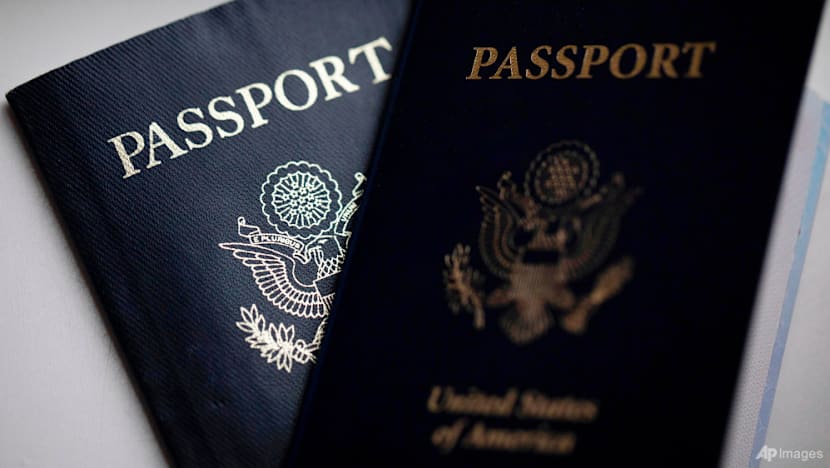
The Trump administration has finalized new rules that impose stricter limits on the duration of stays for foreign students and journalists in the United States. Under the updated regulations, student visas will be capped at four years, corresponding to the length of academic programs. Most foreign journalists will be limited to stays of 240 days, with exceptions for Chinese journalists who will receive only 90 days.
These changes are part of a wider immigration crackdown by the Trump presidency, which has focused on both enforcement operations and restrictions on legal immigration. The Department of Homeland Security, despite receiving nearly 22,000 public comments, largely maintained the proposed rules, alleging that indefinite extensions of student visas undermined the U.S.'s ability to monitor visa holders.
Higher education institutions and international stakeholders have voiced strong opposition. They argue the new rules create unnecessary bureaucratic hurdles, deter talented individuals, and diminish the competitiveness of U.S. colleges and universities. Universities have already reported declining international enrollment following previous administration actions. Media organizations and foreign embassies had urged for longer admission periods for correspondents, but these requests were rejected.
DistantNews Editorial
Originally published by CNA. Summarized and contextualized by our editorial team with added local perspective. Read our editorial standards.
More Stories

From Our Blog

What Gets Lost (and Found) When News Is Translated

The Critical Role of Diaspora Media in Global News

What Travellers Should Know About Countries with Restricted Press

A Digital Nomad's Guide to Following Local News

How the Same Story Looks Different in Different Countries
