


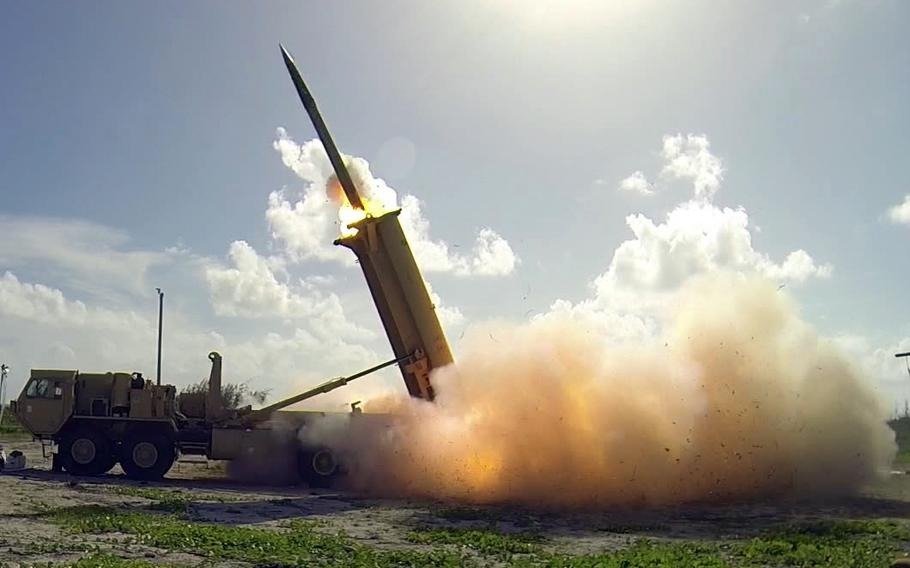
US missile stockpiles critically low due to Iran conflict, recovery to take years
Translated from Korean, summarized and contextualized by DistantNews.
At a glance
News
Sources not specified
Ongoing story
- U.S. missile stockpiles, including Patriot and THAAD systems, are critically low due to prolonged conflict with Iran.
- CNN reports that remaining interceptor missiles are at 20% for Patriot and 50% for THAAD, with recovery taking at least three years.
- Concerns are rising about the U.S. military's ability to counter potential threats from China, Russia, and North Korea.
The U.S. military faces a critical depletion of its missile defense systems, with Patriot and THAAD interceptor stocks significantly reduced by the ongoing conflict with Iran. CNN reports that remaining Patriot missiles are at just 20% of normal levels, while THAAD interceptors are at 50%.
This dramatic drawdown has prompted warnings from senior U.S. military officials about dangerously low levels of key weapon systems. The rapid consumption of offensive weapon inventories, including precision long-range missiles, has also been noted, raising concerns about the military's readiness.
Analysts suggest that the need to conserve dwindling missile supplies may have influenced recent decisions, such as the pause on airstrikes against Iran. The situation is compounded by the lengthy recovery time, with estimates suggesting it could take at least three years to replenish THAAD stocks alone.
This strategic vulnerability extends beyond the Middle East, potentially weakening the U.S. military's capacity to respond to adversaries like China, Russia, and North Korea across various global theaters. The U.S. has initiated efforts to increase production, but the scale of the challenge in restoring adequate stockpiles is immense.
DistantNews Editorial
Originally published by Dong-A Ilbo in Korean. Translated, summarized, and contextualized by our editorial team with added local perspective. Read our editorial standards.
More Stories



From Our Blog

What Gets Lost (and Found) When News Is Translated

The Critical Role of Diaspora Media in Global News

What Travellers Should Know About Countries with Restricted Press

A Digital Nomad's Guide to Following Local News

How the Same Story Looks Different in Different Countries
