

US officials will not release cool water from Glen Canyon Dam this year, protecting hydropower while threatening humpback chub
Summarized and contextualized by DistantNews.
At a glance
News
Named sources
New plan
- U.S. officials will not release cool water from Glen Canyon Dam this year, prioritizing hydropower over a threatened fish.
- This decision impacts the humpback chub, a native fish that relies on cooler water temperatures.
- The Colorado River system faces strain from overuse and climate change, forcing difficult resource allocation decisions.
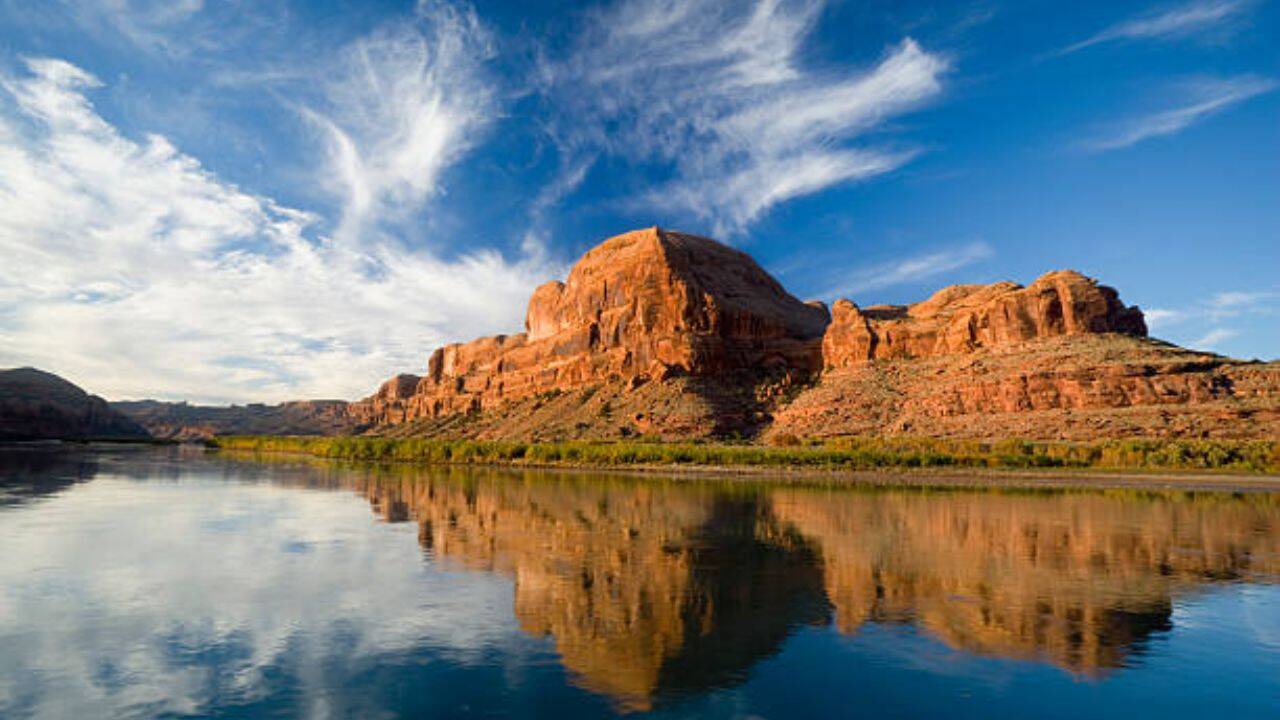
Federal officials have decided against releasing cool water from Glen Canyon Dam this year, a move aimed at protecting hydropower generation amid strained system conditions. This decision, communicated via an email obtained by the Associated Press, prioritizes electricity production over the needs of the humpback chub, a threatened native fish in the Colorado River.
The Bureau of Reclamation cited "significant hydropower generation concerns under already strained system conditions" as the reason for not releasing the water. This cool water, released from deep within Lake Powell, would have helped cool the river downstream and prevent the spawning of invasive smallmouth bass. However, there are no hydropower turbines in the deep water section, meaning such a release would have resulted in substantial power generation losses.
due to significant hydropower generation concerns under already strained system conditions.
Lake Powell is currently at about 23% capacity due to decades of overuse and rising average temperatures caused by climate change. This low reservoir level means warmer surface water is being drawn through the hydropower generators and released downstream. Smallmouth bass, introduced for sport fishing, thrive in this warmer water and can then impact protected species like the humpback chub further downriver.
Officials noted that similar cool water releases in 2024 and 2025 were successful in preventing smallmouth bass spawning. The river downstream of the dam has been consistently above the Bureau's recommended threshold of 60 degrees Fahrenheit (15.5 C) for over a month. The Bureau stated that its efforts this year will focus on other measures, including expanded removal actions for invasive species and modifications to backwaters, to protect the humpback chub.
Our efforts this year will continue to focus on expanded rapid response removal actions, additional backwater modifications, evaluation of innovative tools, and advancement of durable structural
DistantNews Editorial
Originally published by Times of India. Summarized and contextualized by our editorial team with added local perspective. Read our editorial standards.
More Stories

From Our Blog

What Press Freedom Means for the News You Read

What Gets Lost (and Found) When News Is Translated

The Critical Role of Diaspora Media in Global News

What Travellers Should Know About Countries with Restricted Press

A Digital Nomad's Guide to Following Local News
