


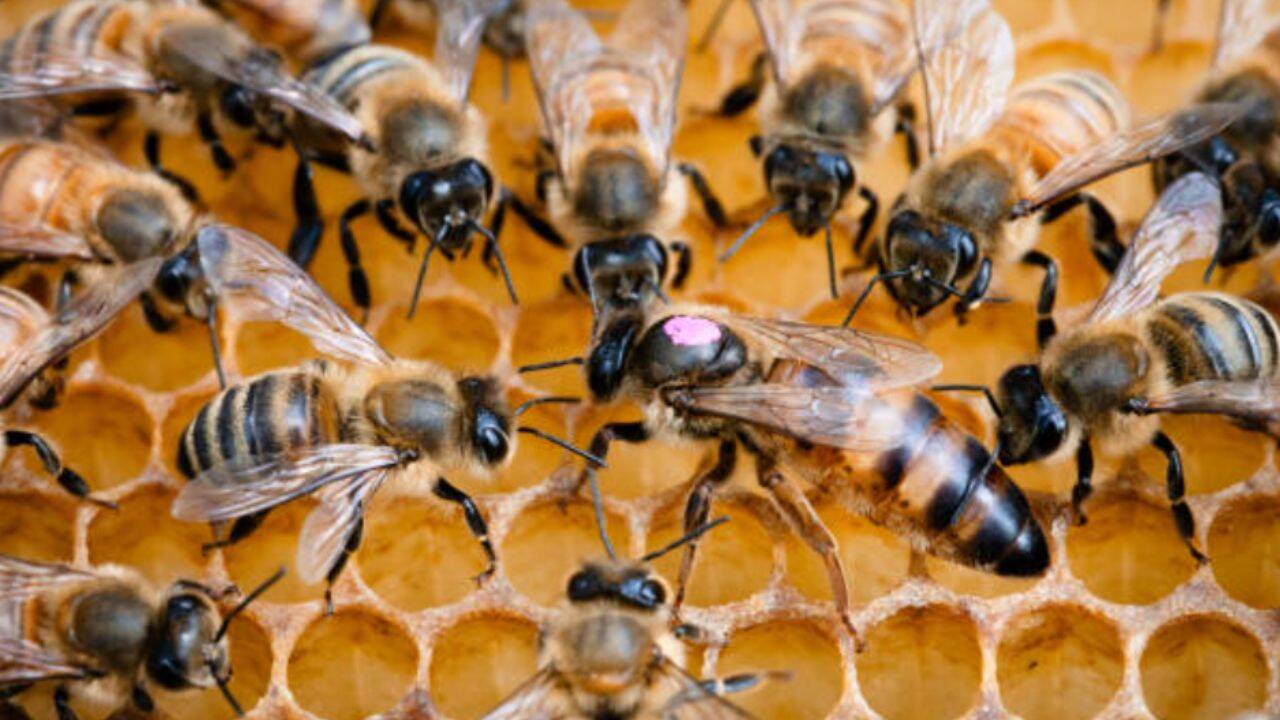
US organic honey standards too strict, study suggests, with only 3 Hawaiian producers meeting rules
Translated from English, summarized and contextualized by DistantNews.
At a glance
News
Sources not specified
Context piece
- Only three Hawaiian honey producers currently meet U.S. organic certification standards, according to a new study.
- Researchers suggest current U.S. organic honey rules may be too strict, potentially hindering domestic beekeepers.
- The study found pesticide contamination levels in U.S. honey similar to certified organic honey, suggesting a review of existing regulations could benefit the market.
A recent study indicates that a mere three honey producers in Hawaii currently satisfy the stringent organic certification requirements set by the United States. Researchers from Cornell University, whose findings were published in the journal 'Science of the Total Environment,' suggest that these regulations might be unnecessarily strict, potentially impeding the growth of the organic honey market for American beekeepers.
Consumers are willing to pay 20% to 30% more for certified organic honey than nonorganic honey.
The study observed that honey from organically managed bee colonies in the northeastern U.S. exhibited pesticide contamination levels comparable to those found in certified organic honey already available on the market. This observation challenges the necessity of the current rigorous standards, which make it exceedingly difficult for most beekeepers in the continental U.S. to qualify, even when adhering to organic practices.
Scott McArt, an associate professor of entomology at Cornell University and senior author of the study, noted that consumers are willing to pay a premium for organic honey. He stated, "If organic honey was possible to produce in the continental U.S., it would open up a huge market for our country's beekeepers, who are really struggling right now." The primary obstacle identified is the U.S. Department of Agriculture's requirement for a 6.4-kilometer buffer zone of certified organic or natural land surrounding beekeeping sites, a condition rarely met across the continental U.S.
If organic honey was possible to produce in the continental U.S., it would open up a huge market for our country's beekeepers, who are really struggling right now.
Researchers tracked bee foraging behavior to assess the validity of the buffer zone requirement. They discovered that the median foraging distance for bees was approximately 750 meters, significantly less than the mandated 6.4 kilometers. "Our research shows that beekeepers in the Northeastern U.S. may only need a small fraction of that land to produce honey with pesticide contamination as low as imported USDA organic honey," explained Benedict 'Ben' DeMoras, the study's first author. The findings imply that current rules may not accurately reflect actual bee behavior and could be revised to support more domestic organic honey production.
Our research shows that beekeepers in the Northeastern U.S. may only need a small fraction of that land to produce honey with pesticide contamination as low as imported USDA organic honey.
DistantNews Editorial
Originally published by Times of India in English. Translated, summarized, and contextualized by our editorial team with added local perspective. Read our editorial standards.
More Stories


From Our Blog

What Press Freedom Means for the News You Read

What Gets Lost (and Found) When News Is Translated

The Critical Role of Diaspora Media in Global News

What Travellers Should Know About Countries with Restricted Press

A Digital Nomad's Guide to Following Local News
