


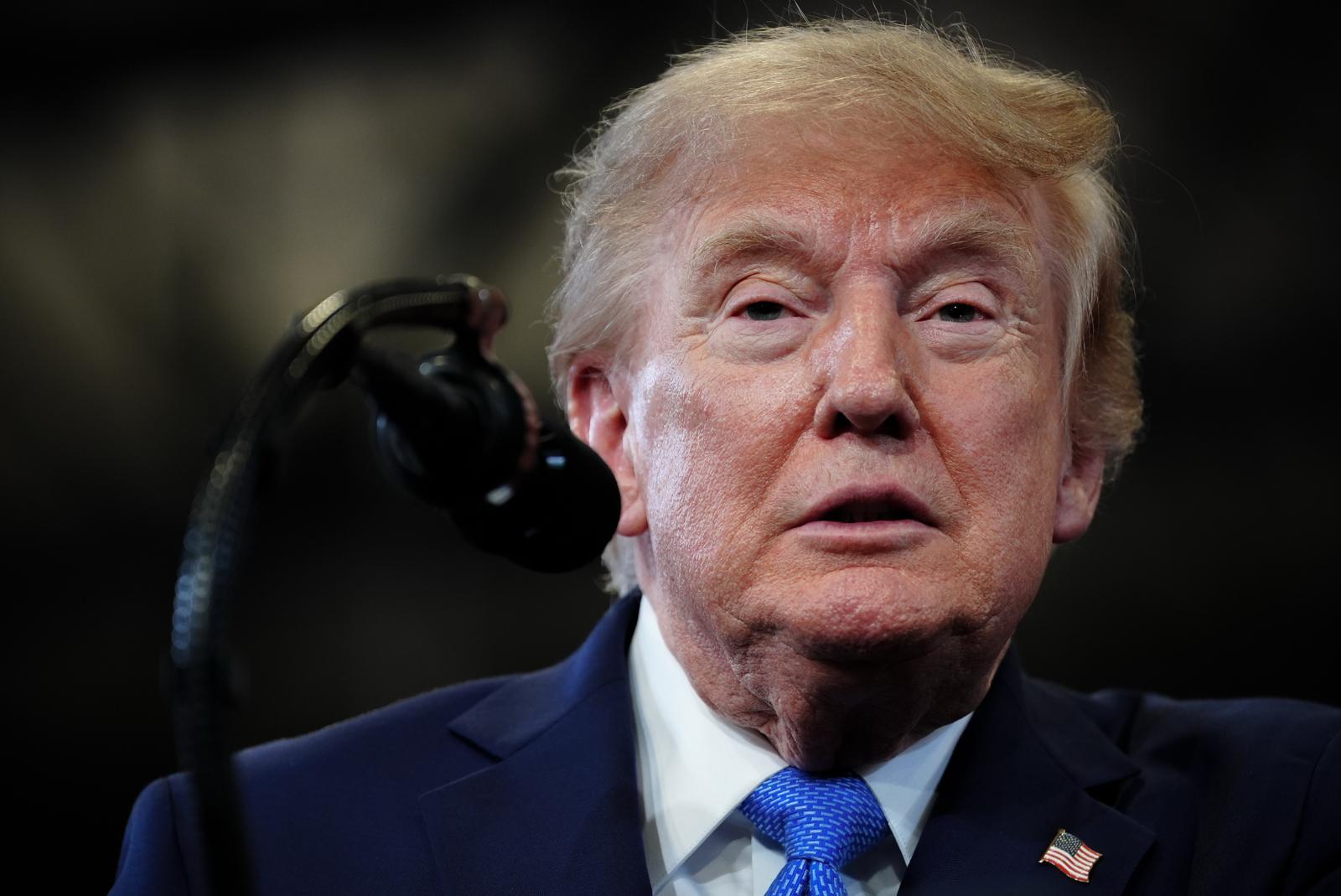
US pressures 35 nations to choose sides in AI race with China
Translated from Korean, summarized and contextualized by DistantNews.
At a glance
News
Named sources
Context piece
- The U.S. is pressuring about 35 allied nations to choose between cooperating with American-led technology initiatives or Chinese-led ones.
- Nations participating in Chinese AI organizations risk exclusion from U.S. supply chains, particularly concerning AI models and critical minerals.
- This move intensifies the U.S.-China tech rivalry, driven by China's rapid advancements in AI and concerns over its potential misuse.
The United States is escalating its technological competition with China by demanding that allied nations make a stark choice: align with U.S.-led initiatives or face exclusion from American supply chains.
A leaked draft from the U.S. State Department indicates that dozens of partner countries, including those involved in the "Pax Silica" initiative and the "Declaration on Global AI Principles," will be informed of this policy. Pax Silica, launched last year, aims to protect AI models and advanced semiconductor technology while reshaping critical mineral supply chains around allies, excluding China.
Being everywhere means being nowhere.
The immediate catalyst for this policy appears to be Kazakhstan's dual participation in both U.S. and Chinese technology forums. Kazakhstan, rich in critical minerals, joined Pax Silica in June but also signed up for China's "World AI Cooperation Organization" a month later. "Being everywhere means being nowhere," the draft states, warning that maintaining membership in Chinese-led initiatives is incompatible with the commitments expected under Pax Silica.
You can't have your cake and eat it too.
This U.S. stance is also fueled by China's rapid progress in artificial intelligence. Open-weight AI models from Chinese startups like Moonshot AI are closing the gap with U.S. competitors. While China's "Kimi K3" model has seen its ranking slip slightly on global AI performance platforms, several Chinese models now feature in the top 20, highlighting Beijing's accelerating capabilities.
Concerns over the potential military and security applications of advanced AI, coupled with China's past use of its dominance in critical minerals as a retaliatory measure, are further accelerating the U.S. push for supply chain diversification away from China. Beijing has criticized the U.S. approach, calling it an attempt to politicize trade and technology that will hinder global AI development.
We oppose the politicization of trade and technology issues.
DistantNews Editorial
Originally published by Dong-A Ilbo in Korean. Translated, summarized, and contextualized by our editorial team with added local perspective. Read our editorial standards.
More Stories


From Our Blog

What Gets Lost (and Found) When News Is Translated

The Critical Role of Diaspora Media in Global News

What Travellers Should Know About Countries with Restricted Press

A Digital Nomad's Guide to Following Local News

How the Same Story Looks Different in Different Countries
