

US pushes G20 to cut trade imbalances and focus on China
Translated from English and summarized by DistantNews. Read the original for the full story.
At a glance
Newswire
Named sources
Ongoing story
- The Trump administration is urging G20 members to reduce global trade and fiscal imbalances, with China a central focus.
- A global bond sell-off has intensified concerns about energy-driven inflation, possible monetary tightening and deteriorating fiscal conditions.
- US officials face resistance from China and uncertainty over whether the diverse group can agree on a joint statement.
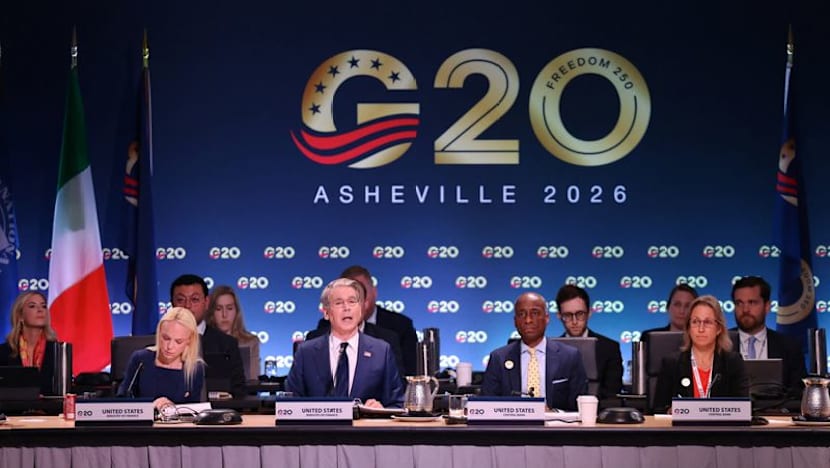
The Trump administration is entering the G20 discussion with a blunt prescription for the world’s largest economic blocs: China should spend more, the United States should spend less, and Europe should invest more.
US Treasury Secretary Scott Bessent told Reuters he would urge G20 members to revisit their trade terms with China and consider higher barriers on Chinese goods. The goal, he said, would be to pressure Beijing to shift its economy away from exports and toward domestic consumption.
The push comes as global bond markets sell off sharply. Japan’s 10-year bond yield reached 3% for the first time since 1996, while yields also rose in the United States, the euro zone, Germany and Britain. Investors are weighing energy-driven inflation, possible interest-rate increases and worsening fiscal conditions. Britain’s yields jumped 10 basis points after a public holiday, amid renewed concern about attacks in the Middle East.
China would need to spend more, US would need to spend less, and EU would need to invest more.
China’s exports rose 23.9% year on year in July as weak domestic demand encouraged greater reliance on overseas sales of electric vehicles, semiconductors and other goods. The country’s goods trade surplus with the European Union reached €360.6 billion, while European governments have increasingly called for tougher restrictions on Chinese imports.
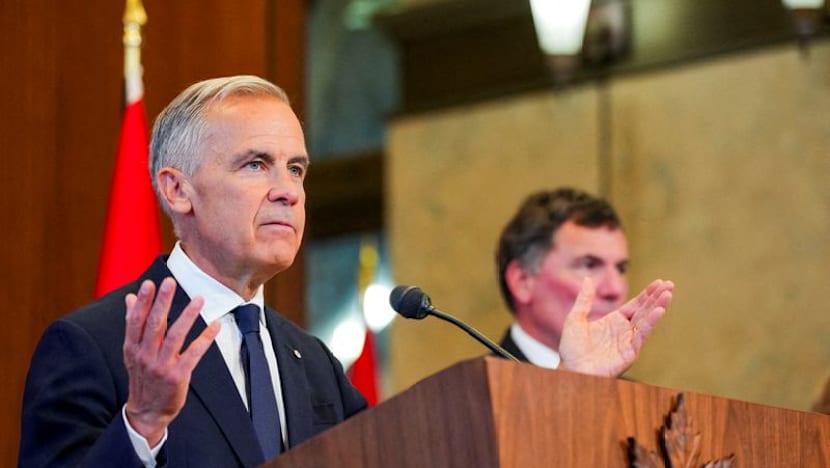
European Economy Commissioner Valdis Dombrovskis said China, the United States and the European Union all have responsibilities. “To put short the summary of this analysis, which we have been doing over the upscale couple of years, China would need to spend more, US would need to spend less, and EU would need to invest more.” China has shown little interest in reducing industrial subsidies, while the United States has yet to present a plan to reduce fiscal deficits that economists say contribute to its annual trade deficit of more than $1 trillion.
It’s important that all economic blocs take action to address the imbalances that increases obviously the efficiency of global policy response, and that obviously concerns also specifically China.
About this summary
Originally published by CNA in English. Translated, summarized, and contextualized automatically by DistantNews, with a note on how the source frames the story. Not individually reviewed before publishing. How this works.
More Stories



From Our Blog

What Gets Lost (and Found) When News Is Translated

The Critical Role of Diaspora Media in Global News

What Travellers Should Know About Countries with Restricted Press

A Digital Nomad's Guide to Following Local News

How the Same Story Looks Different in Different Countries
