

US reimposes naval blockade as Trump threatens to ramp up strikes on Iran: ‘You better make a deal’
Summarized and contextualized by DistantNews.
At a glance
News
Named sources
Ongoing story
- The U.S. reimposed a naval blockade on all Iranian ports and threatened further strikes on infrastructure if Iran does not resume negotiations.
- Tensions escalated as Iran claimed to have closed the Strait of Hormuz again amid intensified fighting.
- President Trump vowed severe retaliation, targeting power plants and bridges next week, unless Tehran returns to the negotiating table.
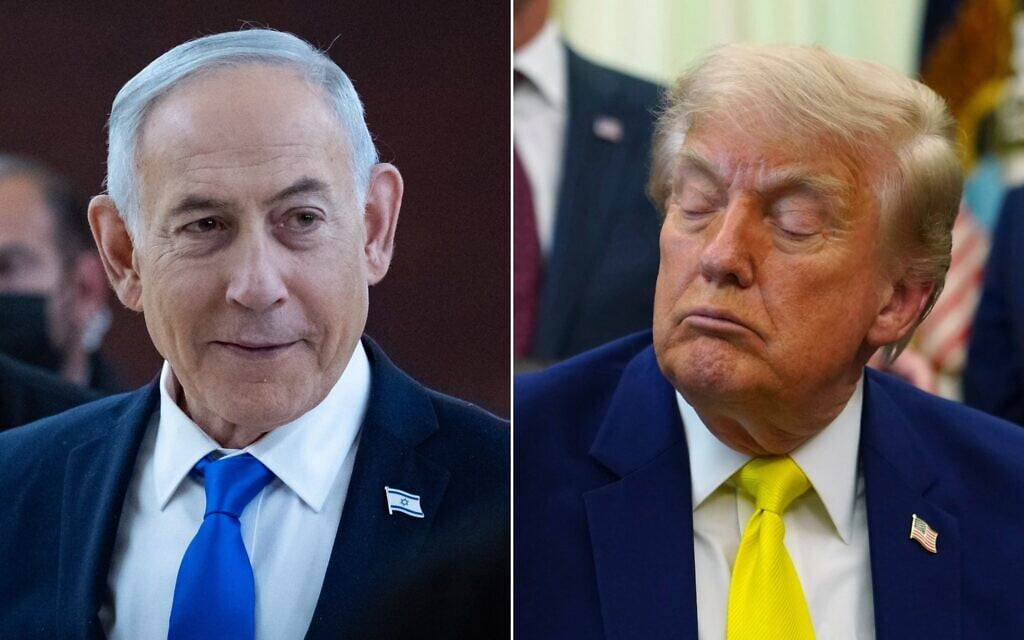
President Donald Trump has reimposed a naval blockade on all Iranian ports, escalating tensions and threatening more significant strikes on power plants and bridges next week if Tehran does not resume negotiations. This move comes as an interim ceasefire deal unravels and concerns grow about a potential return to all-out war.
The U.S. initially imposed and then lifted the blockade in mid-April and mid-June, respectively, following the signing of an interim deal aimed at permanently ending the conflict. This deal included a 60-day timeline for negotiating an agreement on Iran's nuclear program. However, talks have stalled, and fighting has intensified, with Tehran recently proclaiming it had once again closed the Strait of Hormuz.
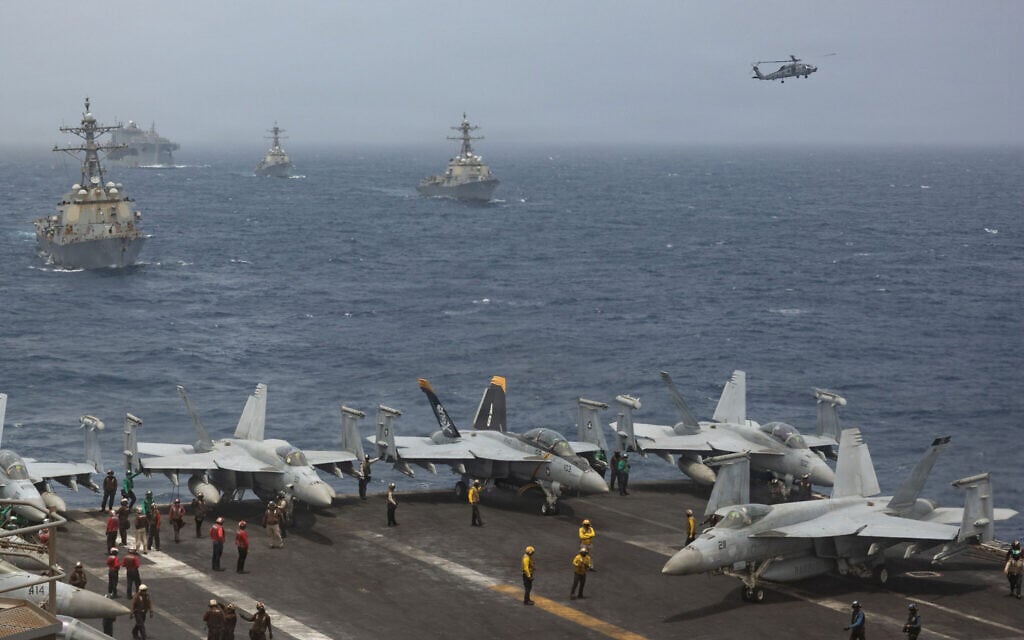
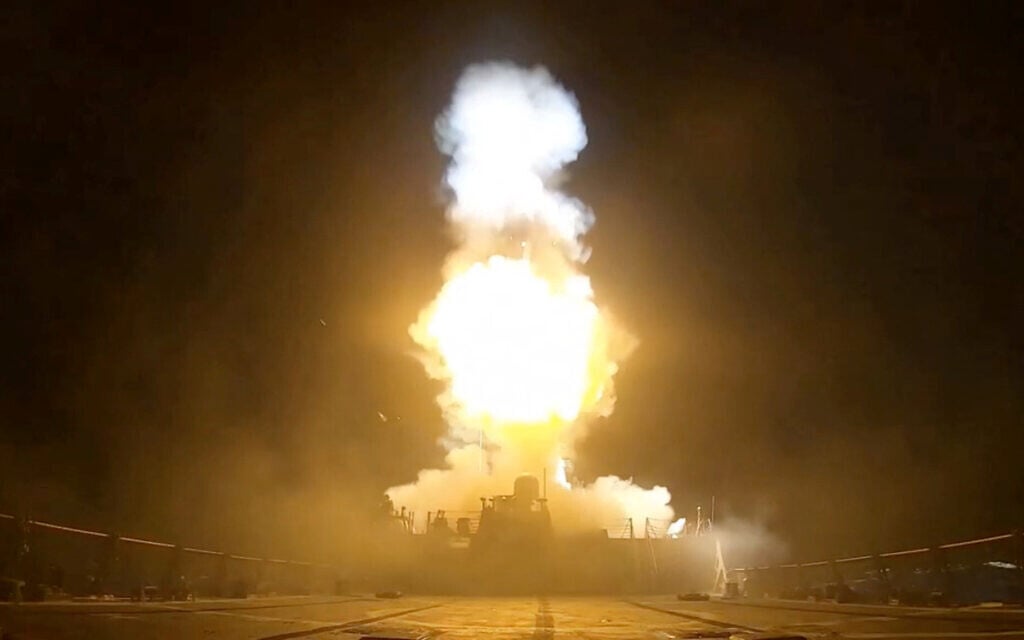
U.S. Central Command reported hundreds of military aircraft operating across the Middle East and at least 19 U.S. warships in the Arabian Sea, including two aircraft carriers and an amphibious assault ship with over 1,000 Marines. Before renewing the blockade, the command stated it had conducted another wave of strikes. Admiral Brad Cooper, head of U.S. Central Command, asserted that "US forces are holding Iran accountable for unwarranted aggression that continues to endanger innocent lives."
US forces are holding Iran accountable for unwarranted aggression that continues to endanger innocent lives.
According to Cooper, Iran has intentionally attacked seven commercial ships in the past week, resulting in civilian casualties. He also claimed Iran launched dozens of missiles and drones at neighboring Gulf countries, including alleged attacks on U.S. positions at Jordan's Azraq base and on weapons and storage facilities in Bahrain and Kuwait. Material damage was reported in Kuwait from a fire caused by an Iranian attack.
Trump, in an interview with Fox News, declared, "We're going to hit them very hard tonight. We're going to hit them very hard the night after, and then next week it gets really bad for them because next week comes the power plants. Next week comes the bridges. We're going to knock out all their power plants. We're going to knock out all their bridges unless they get to the table and negotiate."
We’re going to hit them very hard tonight. We’re going to hit them very hard tomorrow night. We’re going to hit them very hard the night after, and then next week it gets really bad for them because next week comes the power plants. Next week comes the bridges. We’re going to knock out all their power plants. We’re going to knock out all their bridges unless they get to the table and negotiate.
DistantNews Editorial
Originally published by Times of Israel. Summarized and contextualized by our editorial team with added local perspective. Read our editorial standards.
More Stories

From Our Blog

What Gets Lost (and Found) When News Is Translated

The Critical Role of Diaspora Media in Global News

What Travellers Should Know About Countries with Restricted Press

A Digital Nomad's Guide to Following Local News

How the Same Story Looks Different in Different Countries
