

US Republicans rethink Iran stance, viewing it as a 'pragmatic nation'
Translated from Korean, summarized and contextualized by DistantNews.
At a glance
News
Named sources
Context piece
- The New York Times reports a shift in perception among US Republican Party members regarding Iran.
- Younger Republicans, in particular, are moving away from viewing Iran as an "axis of evil" towards a more pragmatic stance.
- This evolving perspective acknowledges Iran's resilience and suggests a need to find ways to coexist, influencing potential US foreign policy shifts.
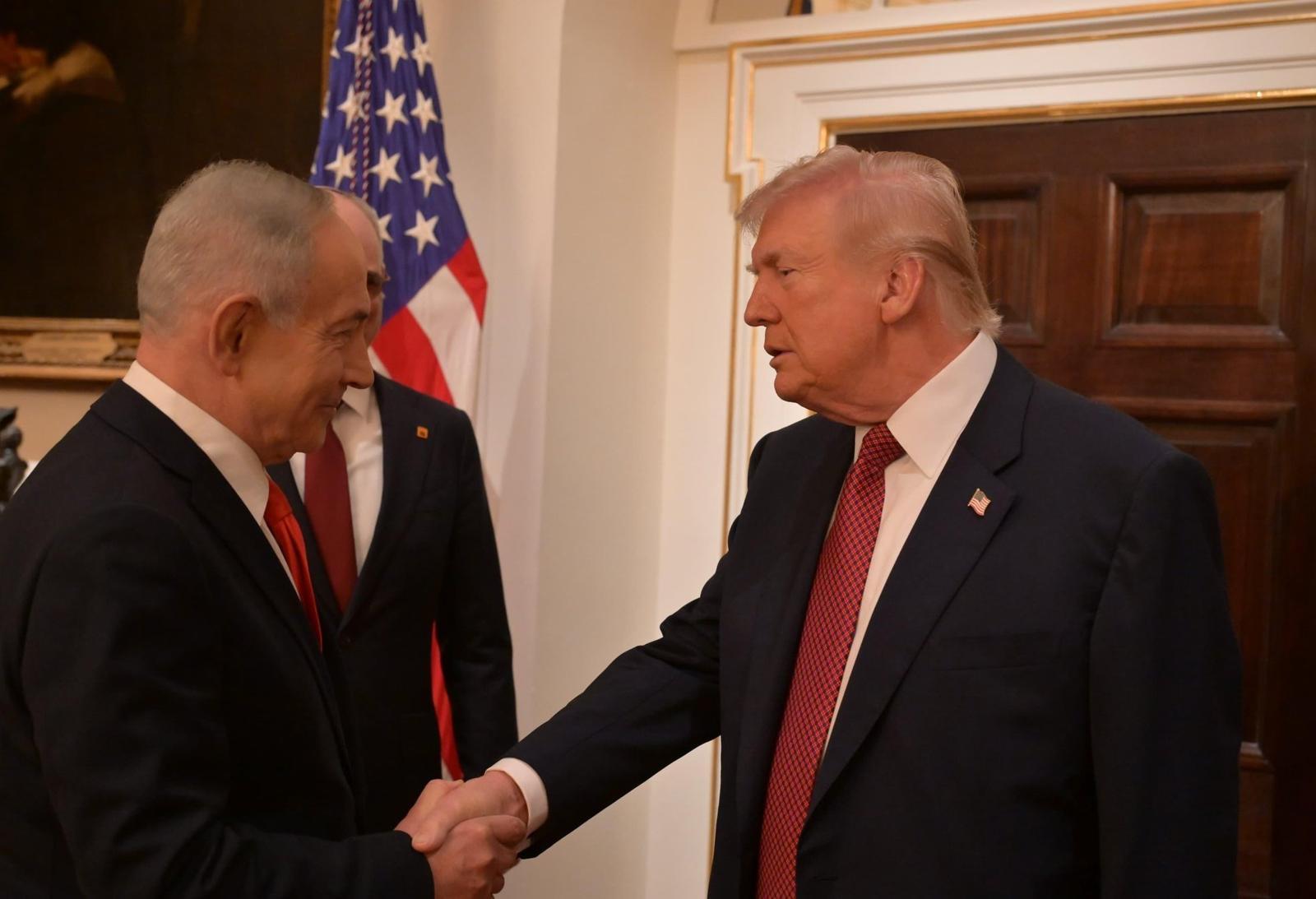
A notable shift is occurring within the U.S. Republican Party's perspective on Iran, moving away from decades of viewing the nation as a primary global adversary. The New York Times reports that a growing segment, particularly among younger Republicans, now sees Iran as a more pragmatic entity, suggesting a need to explore avenues for coexistence rather than outright confrontation.
This evolving viewpoint is gaining momentum, challenging the long-held Republican stance that has often characterized Iran's regime as among the world's worst. The shift is partly fueled by a desire among some Republicans to move beyond unconditional support for Iran's adversaries, such as Israel, and to reassess outdated perceptions of global power dynamics.
Recent polling indicates that a significant portion of Republican voters under 45 oppose military intervention in conflicts involving Iran, signaling a generational divergence on foreign policy. Furthermore, some commentators and even former hardline figures are expressing a grudging admiration for Iran's ability to withstand intense pressure, acknowledging its resilience and capacity for self-defense.
This internal reassessment within the Republican Party, moving from labeling Iran an "axis of evil" to recognizing its practical statehood and defensive capabilities, could have broader implications for U.S. foreign and national security policy. It suggests a potential recalibration of America's approach to the Middle East, particularly concerning energy security and regional stability in the Persian Gulf.
DistantNews Editorial
Originally published by Dong-A Ilbo in Korean. Translated, summarized, and contextualized by our editorial team with added local perspective. Read our editorial standards.
More Stories

From Our Blog

What Gets Lost (and Found) When News Is Translated

The Critical Role of Diaspora Media in Global News

What Travellers Should Know About Countries with Restricted Press

A Digital Nomad's Guide to Following Local News

How the Same Story Looks Different in Different Countries
