


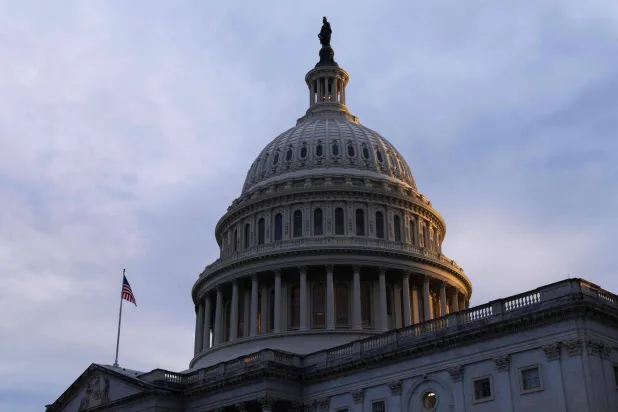
US Senate Passes Short-Term Funding Bill to Avert Shutdown
Translated from English, summarized and contextualized by DistantNews.
At a glance
News
Sources not specified
New plan
- The US Senate passed a short-term funding bill to keep federal agencies operational through December 11, averting a government shutdown before the November midterm elections.
- The bill must be reconciled with a measure passed by the House of Representatives before President Trump can sign it into law.
- The Senate version includes provisions to prevent the Trump administration from reallocating border security funds and allows for adjustments to housing and food assistance programs.
The US Senate has approved a temporary measure to fund federal agencies, pushing the deadline to December 11 and preventing a government shutdown just weeks before the crucial November midterm elections. This legislative action aims to maintain government operations during a politically sensitive period.
The bill now moves to the House of Representatives, which previously passed its own short-term funding measure. Lawmakers from both chambers must reconcile their differences before the legislation can be sent to President Donald Trump for his signature. Current funding is set to expire on September 30, leaving a narrow window to finalize the agreement before the election.
Democrats have noted key differences between the Senate and House versions. They highlighted that the Senate's proposal would block the Trump administration from redirecting funds designated for border security to other programs. Additionally, the Senate measure includes language that permits adjustments to funding for housing and food assistance initiatives.
Furthermore, the Senate's temporary funding bill would temporarily prohibit the White House budget office from enacting a new rule that would grant political appointees control over hundreds of billions of dollars in grant money. This provision aims to maintain existing oversight mechanisms for federal grants.
DistantNews Editorial
Originally published by Asharq Al-Awsat in English. Translated, summarized, and contextualized by our editorial team with added local perspective. Read our editorial standards.
More Stories



From Our Blog

What Gets Lost (and Found) When News Is Translated

The Critical Role of Diaspora Media in Global News

What Travellers Should Know About Countries with Restricted Press

A Digital Nomad's Guide to Following Local News

How the Same Story Looks Different in Different Countries
