


US shakes up currency markets with talk of unusual yen-buying via selling euros
Summarized and contextualized by DistantNews.
At a glance
News
Named sources
Ongoing story
- The U.S. Treasury has reportedly sold euros to buy yen, a highly unusual move aimed at strengthening Japan's currency.
- This action, coordinated with Japan, aims to support the yen without signaling a desire for a weaker dollar, which could worsen U.S. inflation.
- The intervention has caused significant fluctuations in currency markets, with the yen recovering from recent lows.
Traders are navigating an already rare coordinated intervention by the U.S. and Japan to bolster the weakening yen, now grappling with the highly unusual dynamic of the U.S. selling euros to achieve this goal. Japan confirmed it intervened in currency markets on Friday to buy yen, a move supported by the U.S. Treasury Department.
However, reports indicate the U.S. Treasury did not simply sell dollars for yen. Instead, according to the Financial Times and broker sources, the U.S. Treasury bought yen using euros. Analysts at HSBC described this as "a highly unusual, maybe unprecedented, step." This strategy likely reflects a U.S. desire to help Japan strengthen its currency without creating the impression that Washington favors a weaker dollar. A weaker dollar could complicate the U.S.'s efforts to control inflation, which is currently above target.
a highly unusual, maybe unprecedented, step
"Given that at the moment the U.S. has above target inflation, a weaker dollar right now isn't the best thing for them," said Lee Hardman, senior currency analyst at MUFG. A stronger dollar could potentially increase inflation further, giving the U.S. Federal Reserve more reason to raise interest rates. Japan's Ministry of Finance also intervened on Thursday, and further market movements on Monday suggest additional intervention may have occurred.
Given that at the moment the U.S. has above target inflation, a weaker dollar right now isn't the best thing for them.
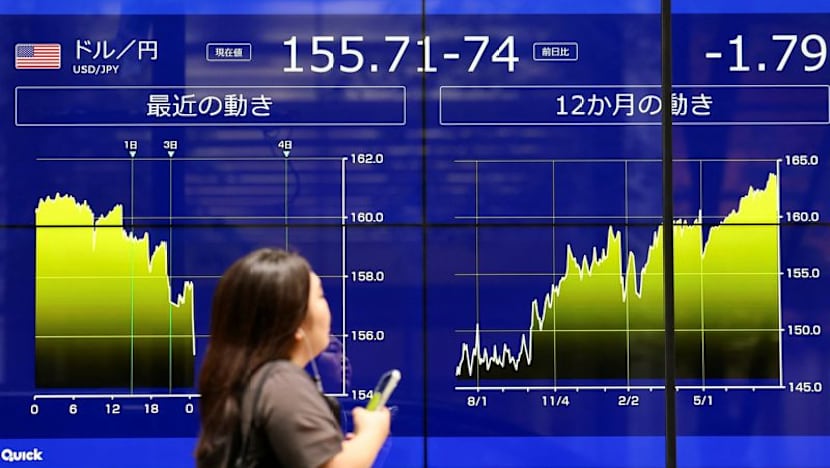
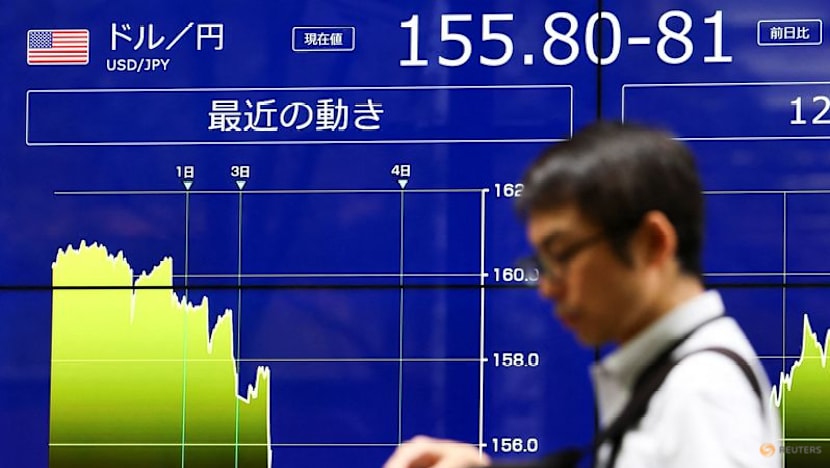
The yen has shown signs of recovery, strengthening by almost 4% last week, its largest weekly jump in two years. It has recovered from 40-year lows near 164 yen per dollar, trading around 157. "The choice of intervention currency by the U.S. Treasury avoids signaling a desire for broad-based dollar weakness, in our view, keeping the operation a yen-only affair," Barclays analysts noted.
The euro experienced a significant drop against the yen, falling from a high of 187.4 yen on Thursday to briefly dip below 180 on Monday, a move of over 4%. These currency pair movements have rapid ripple effects across global markets as financial institutions reprice exchange rates. Central bank data suggests Japan may have spent as much as $36.58 billion on Friday's intervention. The U.S. has approximately €26 billion available for intervention. A European Central Bank spokesperson declined to comment, though a source indicated the ECB had been in contact with the Federal Reserve regarding the matter.
The choice of intervention currency by the U.S. Treasury avoids signaling a desire for broad-based dollar weakness, in our view, keeping the operation a yen-only affair.
DistantNews Editorial
Originally published by CNA. Summarized and contextualized by our editorial team with added local perspective. Read our editorial standards.
More Stories


From Our Blog

What Gets Lost (and Found) When News Is Translated

The Critical Role of Diaspora Media in Global News

What Travellers Should Know About Countries with Restricted Press

A Digital Nomad's Guide to Following Local News

How the Same Story Looks Different in Different Countries
