


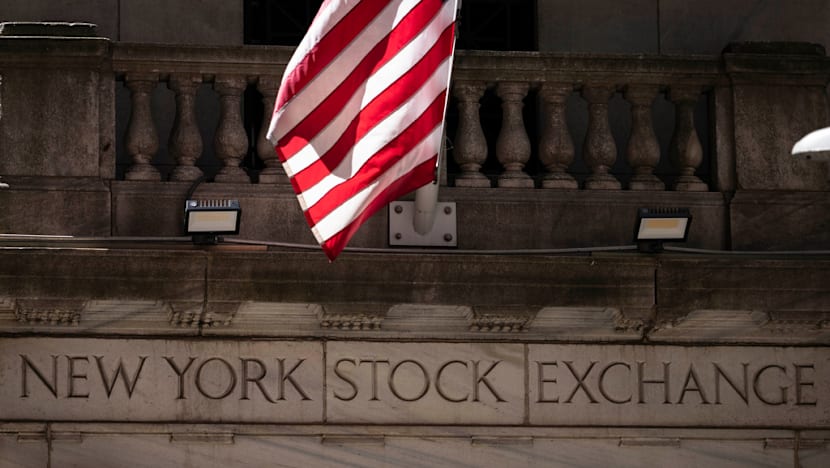
US Stocks Fall as Bond Yields Spike and Oil Prices Climb
Translated from English, summarized and contextualized by DistantNews.
At a glance
News
Named sources
Context piece
- US stocks declined on August 17, 2026, influenced by rising bond yields and higher oil prices, with no progress reported on reopening the Strait of Hormuz.
- Elevated oil prices stem from the ongoing diplomatic stalemate between the US and Iran over the Strait of Hormuz, while climbing Treasury yields suggest market expectations of sustained high inflation.
- Major US indices closed lower, mirroring downturns in European markets, as analysts noted low trading volumes and concerns about potential spillover effects from an AI-driven bubble correction.
Wall Street stocks retreated on Monday, August 17, 2026, as rising oil prices and a jump in US Treasury yields discouraged equity purchases. The lack of progress in negotiations between the United States and Iran regarding the Strait of Hormuz contributed to elevated crude prices, even as a theoretical ceasefire was set to expire.
The ongoing diplomatic gridlock between Washington and Tehran over transit through the Strait of Hormuz has kept crude prices elevated.
Oil prices climbed more than two percent, driven by the diplomatic gridlock over transit through the Strait of Hormuz. Concurrently, the yield on the 30-year US Treasury bond reached its highest level since June 2007, at 5.31 percent. Analysts interpret these spiking yields as an indication that markets anticipate persistent high inflation and a continued high US deficit, which would sustain demand for elevated yields.
Analysts noted that the combined move in oil and interest rates acted as a headwind, potentially reducing risk-taking appetite among investors. Low trading volumes, attributed to summer vacations, may have accentuated market movements. All three major US indices finished lower, with the S&P 500 down 0.5 percent. European markets in London, Paris, and Frankfurt also closed with losses.
When you get a move like that in oil and interest rates, it just kind of tends to serve as a headwind. This means a little bit less risk-taking than you might have otherwise.
Concerns about the potential spillover effects of an artificial intelligence-driven bubble correction on European markets were highlighted in a paper from the European Central Bank. The paper suggested that a correction in US AI equities could negatively impact the euro area's sentiment, financing conditions, and hiring. The ECB warned that such a fallout would not be confined to the US.
There's just not a lot of buying interest in today's session.
Attention now shifts to corporate earnings reports from retail giants Walmart, Home Depot, and Target this week. These reports are expected to provide a clearer view of American consumer sentiment. While recent data indicates a weakening US labor market and slower consumer spending, even disappointing results from these retailers could potentially benefit the US stock market. Analysts suggest that weaker domestic consumption figures might help tame inflation worries, ease expectations of Federal Reserve rate hikes, and consequently put downward pressure on US yields, which would be a positive development for major US indices heavily weighted in technology.
We argue that economic research on past technological revolutions points to a worrisome conclusion: a correction of current stock market valuations is likely.
DistantNews Editorial
Originally published by CNA in English. Translated, summarized, and contextualized by our editorial team with added local perspective. Read our editorial standards.
More Stories



From Our Blog

What Gets Lost (and Found) When News Is Translated

The Critical Role of Diaspora Media in Global News

What Travellers Should Know About Countries with Restricted Press

A Digital Nomad's Guide to Following Local News

How the Same Story Looks Different in Different Countries
