


US strikes Iran again after troop deaths; Iran fires missiles toward Jordan
Translated from English, summarized and contextualized by DistantNews.
At a glance
News
Named sources
Ongoing story
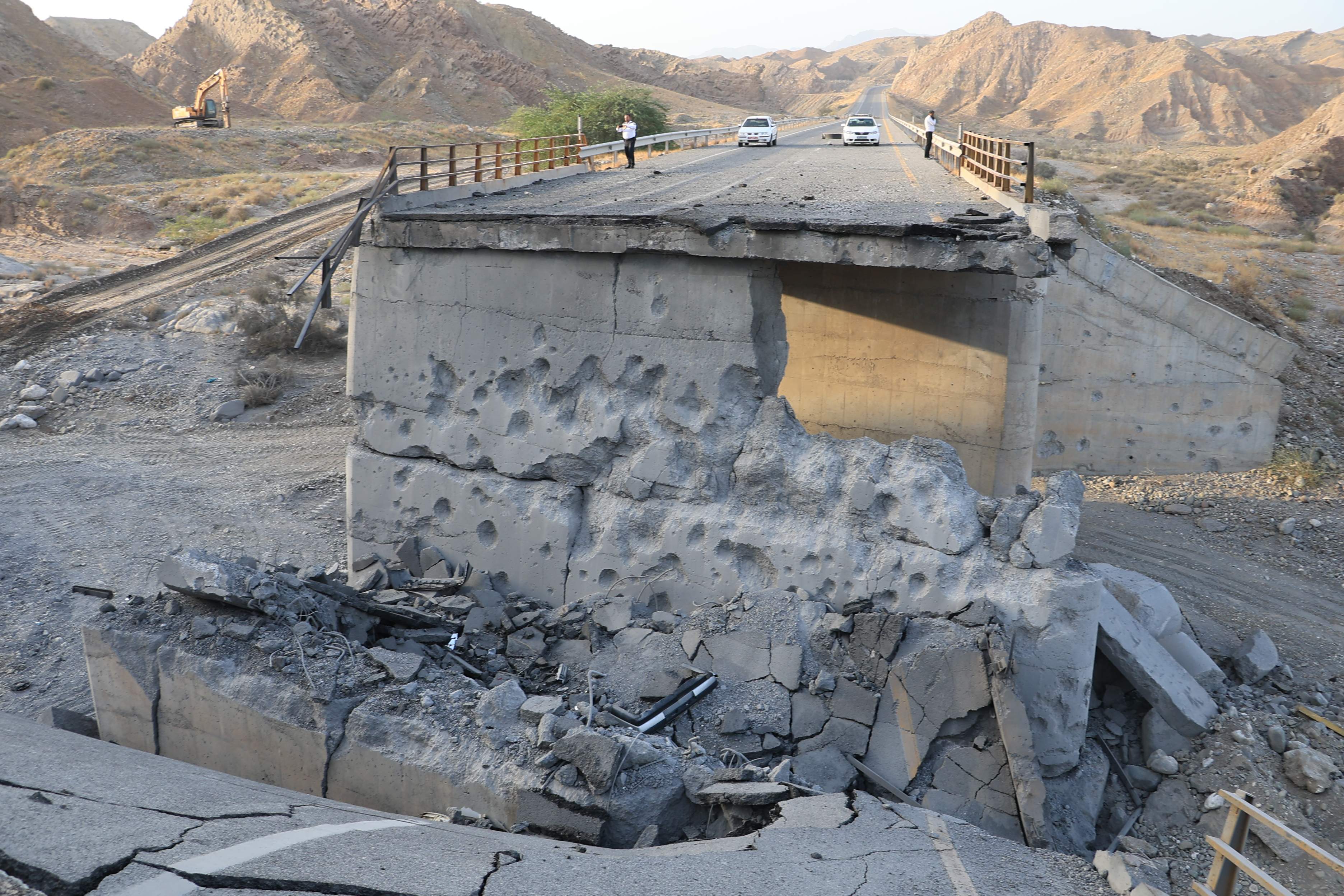
- The U.S. conducted further airstrikes against Iran in response to the killing of American troops, while Iran fired missiles toward Jordan.
- The ongoing conflict risks escalating into a wider war, with both sides targeting civilian infrastructure and disrupting shipping in the Strait of Hormuz.
- U.S. Central Command stated its strikes targeted Iranian military facilities to degrade Iran's ability to control the strait, while Iran's atomic energy agency reported a nuclear site under construction was hit.
The United States launched additional airstrikes against Iran on Sunday, escalating its campaign against Tehran following the deaths of U.S. troops. Simultaneously, Iran fired missiles toward Jordan, raising concerns about a potential widening of the conflict into neighboring Israel.
The tit-for-tat strikes bring the U.S. and Iran closer to direct confrontation as a previous interim deal to end fighting has collapsed and shipping traffic through the critical Strait of Hormuz has significantly stalled. Both nations have targeted civilian infrastructure essential to millions, intensifying the regional crisis.
The U.S. military's Central Command announced that its latest strikes hit Iran's paramilitary Revolutionary Guard, aiming to retaliate for the troops killed in Jordan and to degrade Iran's capacity to control the strait. The campaign, now in its second week, has seen the U.S. strike bridges, water desalination plants, and electrical facilities within Iran, while Tehran has targeted U.S.-allied nations across the Middle East.
Kuwait, Jordan, and Bahrain reported activating air defenses against incoming Iranian drones and missiles. Israel issued a warning that missiles aimed at Jordan could potentially spill over into Israeli territory. Iran's atomic energy agency claimed that U.S. strikes hit the construction site of a planned nuclear power plant in the southwest, according to state television. The International Atomic Energy Agency confirmed the site was in its "very early stages of construction" and contained no nuclear material during its last visit.
DistantNews Editorial
Originally published by Global News in English. Translated, summarized, and contextualized by our editorial team with added local perspective. Read our editorial standards.
More Stories


From Our Blog

What Gets Lost (and Found) When News Is Translated

The Critical Role of Diaspora Media in Global News

What Travellers Should Know About Countries with Restricted Press

A Digital Nomad's Guide to Following Local News

How the Same Story Looks Different in Different Countries
