


US strikes Iran again; Tehran closes Hormuz Strait, fears of wider conflict grow
Translated from Korean, summarized and contextualized by DistantNews.
At a glance
News
Named sources
Ongoing story
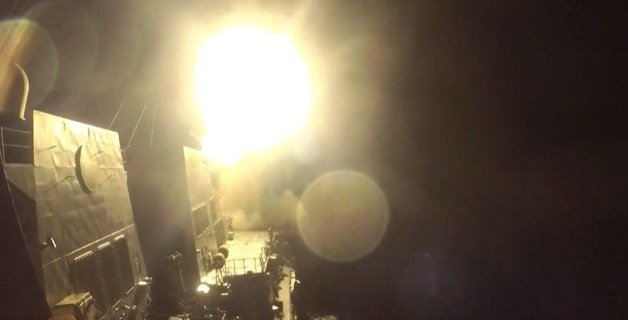
- The US launched new airstrikes on Iran for a second consecutive day, targeting military surveillance, communications, and air defense systems.
- Iran responded by declaring the closure of the Strait of Hormuz to all vessel traffic and claimed to have attacked US bases in the Gulf.
- Both nations deny intentions of full-scale war, but tensions are escalating, with diplomatic negotiations showing no breakthrough.
The fragile truce between the United States and Iran faces its greatest challenge as both nations engage in escalating military actions and rhetoric. The US, citing a response to an earlier drone attack on its Apache helicopter, conducted further airstrikes on Iranian targets, described by President Trump as "brutal and violent." Trump warned of further bombing if Iran did not sign an agreement, though Iran's state broadcaster denied any contact with Trump and called his claims a "pretext."
The airstrikes were brutal and violent. If they don't sign an agreement, I will bomb them tomorrow and destroy them.
Iran declared the Strait of Hormuz closed to all ships, a move that the US Central Command disputed, stating commercial vessels were still transiting. The Islamic Revolutionary Guard Corps also claimed to have attacked US bases in Kuwait and Bahrain and targeted the US Navy's Fifth Fleet. These actions signal a significant increase in regional tensions.
The claims that Iranian officials contacted Trump are a complete lie. It is a pretext to hide their retreat from war with Iran.
Diplomatic efforts appear stalled, with a Qatari delegation leaving Tehran without a breakthrough. However, back-channel communications are reportedly ongoing. The situation is precarious, with fears of a return to extreme violence in the Middle East. Despite the heightened conflict, US Defense Secretary Pete Hegseth stated the strikes aimed to strengthen US military and diplomatic positions, suggesting a strategy of negotiation through force. The recent exchanges could mark the end of a fragile two-month ceasefire.
Commercial vessels are still transiting the Strait of Hormuz tonight.
DistantNews Editorial
Originally published by Hankyoreh in Korean. Translated, summarized, and contextualized by our editorial team with added local perspective. Read our editorial standards.
More Stories


From Our Blog

What Gets Lost (and Found) When News Is Translated

The Critical Role of Diaspora Media in Global News

What Travellers Should Know About Countries with Restricted Press

A Digital Nomad's Guide to Following Local News

How the Same Story Looks Different in Different Countries
