

US Supreme Court Birthright Citizenship Ruling Eases Concerns for Indians
Translated from English, summarized and contextualized by DistantNews.
At a glance
News
Sources not specified
Outcome reported
- A recent US Supreme Court ruling on birthright citizenship has brought relief to Indian professionals and families in the United States.
- The ruling avoids potential complications for individuals on various visa types, including H-1B, L-1, and F-1.
- It also offers a measure of certainty for the large Indian diaspora awaiting green cards, easing concerns about family separation or status changes.
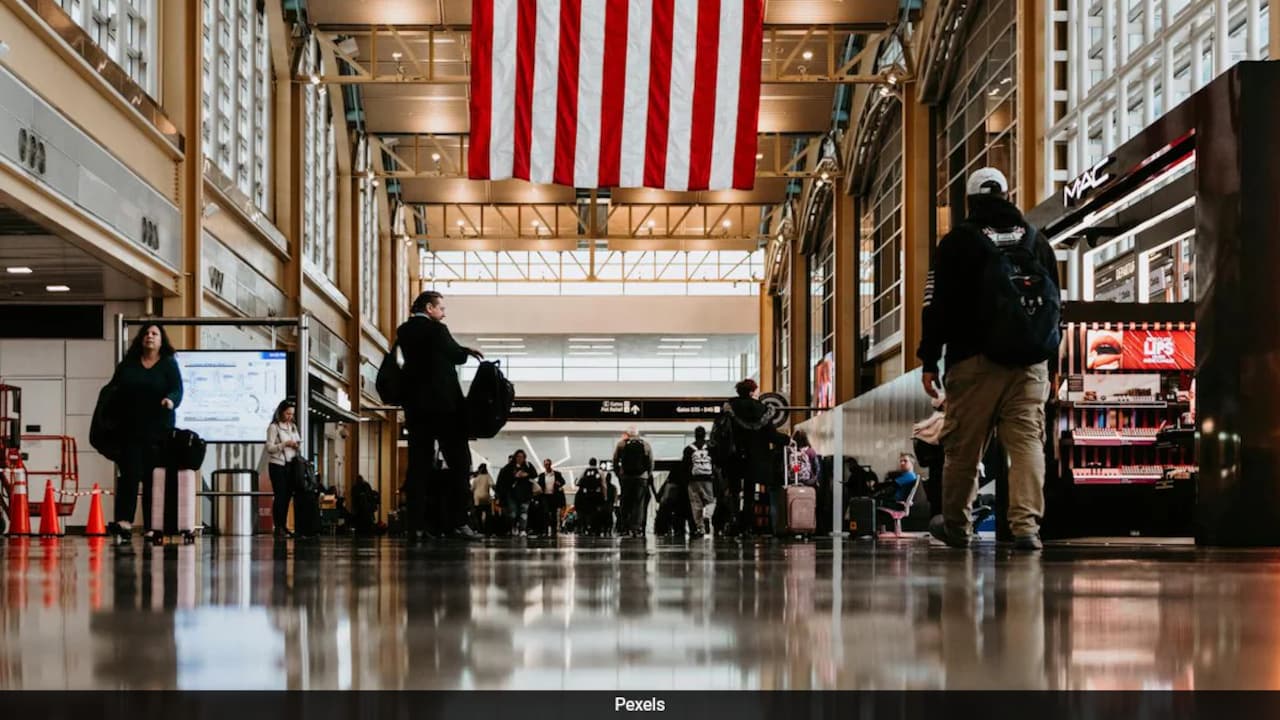
A recent decision by the US Supreme Court has provided a significant reprieve for hundreds of thousands of Indian professionals and their families residing in the United States. The ruling, which effectively upholds the existing interpretation of birthright citizenship, has averted potential legal and logistical challenges for a large segment of the Indian diaspora.
Many Indian nationals are in the U.S. on temporary work visas such as the H-1B for skilled workers and L-1 for intra-company transfers, or on F-1 student visas. The prospect of a reinterpretation of birthright citizenship had raised concerns about the immigration status of their U.S.-born children and the potential impact on their own visa renewals and long-term stay in the country.
Furthermore, the decision offers a degree of reassurance to the more than one million Indian citizens currently in the employment-based green card backlog. This lengthy wait for permanent residency had already created uncertainty for many families. The Supreme Court's decision removes one potential obstacle that could have further complicated their immigration journey or led to difficult choices regarding family unity.
The relief stems from the avoidance of a scenario where children born in the U.S. to non-citizen parents might have had their citizenship status questioned. Such a change could have had far-reaching consequences, affecting access to education, healthcare, and future employment opportunities for these U.S.-born children, and by extension, their parents' ability to remain in the country.
DistantNews Editorial
Originally published by NDTV in English. Translated, summarized, and contextualized by our editorial team with added local perspective. Read our editorial standards.
More Stories

From Our Blog

What Press Freedom Means for the News You Read

What Gets Lost (and Found) When News Is Translated

The Critical Role of Diaspora Media in Global News

What Travellers Should Know About Countries with Restricted Press

A Digital Nomad's Guide to Following Local News
