


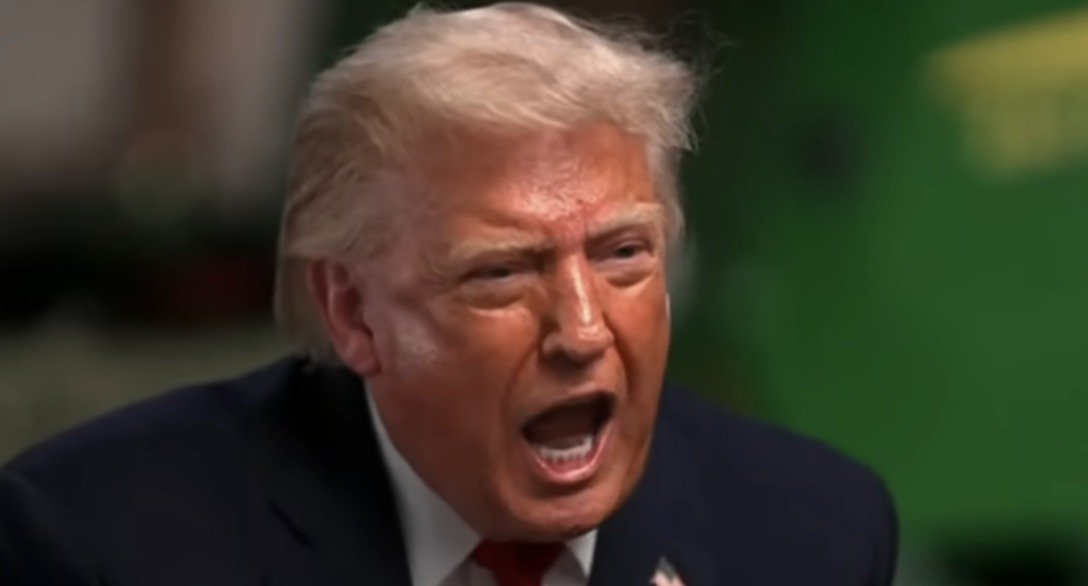
US Supreme Court strikes down Trump order limiting birthright citizenship
Translated from Korean, summarized and contextualized by DistantNews.
At a glance
News
Sources not specified
Outcome reported
- The U.S. Supreme Court ruled Donald Trump's executive order restricting birthright citizenship unconstitutional.
- The ruling reaffirms the 14th Amendment's principle that anyone born in the U.S. is a citizen, regardless of parents' status.
- Despite this, the Trump administration continues to pursue other anti-immigration policies, with legal battles expected to persist.
The U.S. Supreme Court has struck down Donald Trump's executive order that sought to limit birthright citizenship, reaffirming the principle enshrined in the 14th Amendment. Chief Justice John Roberts, joined by a majority of justices, stated that the amendment guarantees citizenship to all born in the United States, irrespective of their parents' nationality or immigration status. This decision upholds a long-standing interpretation of the Constitution, reinforced by a 1898 precedent concerning Wong Kim Ark.
We keep that promise today.
The ruling, however, does not signal a broader shift in the Trump administration's immigration stance. The court recently allowed the termination of Temporary Protected Status for immigrants from Haiti and Syria and permitted the denial of asylum claims before individuals reach U.S. soil. This suggests a pattern of upholding constitutional rights like birthright citizenship while broadly permitting federal authorities to enforce immigration laws.
Trump had argued that the 14th Amendment's intent was to grant citizenship to formerly enslaved Black people and their children, not to those born to wealthy individuals seeking "birth tourism" or undocumented immigrants. He had actively pursued the end of birthright citizenship, with estimates suggesting his executive order could have affected up to 250,000 newborns annually.
The 14th Amendment's intent was not to grant citizenship to the children of the currently undocumented and illegal, and to those who break our laws.
Despite the Supreme Court's decision, Trump expressed his dissatisfaction, calling for legislative action to end the "unfair" birthright citizenship system. His allies, like former White House aide Stephen Miller, also criticized the ruling. The Department of Justice has directed federal prosecutors to prioritize investigations into "birth tourism" organizations, indicating a continued focus on anti-immigration measures through other avenues, such as stricter enforcement and administrative procedures.
The court's decision is one of the most destructive and absurd in Supreme Court history.
DistantNews Editorial
Originally published by Dong-A Ilbo in Korean. Translated, summarized, and contextualized by our editorial team with added local perspective. Read our editorial standards.
More Stories



From Our Blog

What Gets Lost (and Found) When News Is Translated

The Critical Role of Diaspora Media in Global News

What Travellers Should Know About Countries with Restricted Press

A Digital Nomad's Guide to Following Local News

How the Same Story Looks Different in Different Countries
