

US top diplomat Rubio hopeful for Iran deal, insists on nuclear curbs
Summarized and contextualized by DistantNews.
At a glance
News
Named sources
Ongoing story
- U.S. Secretary of State Marco Rubio expressed hope for a deal to end the war in Iran, but stressed nuclear curbs are essential.
- Rubio stated that Iran must reopen the Strait of Hormuz and curtail its nuclear program for sanctions relief.
- He asserted that the war has significantly weakened Iran's military and economy, despite recent exchanges of fire.
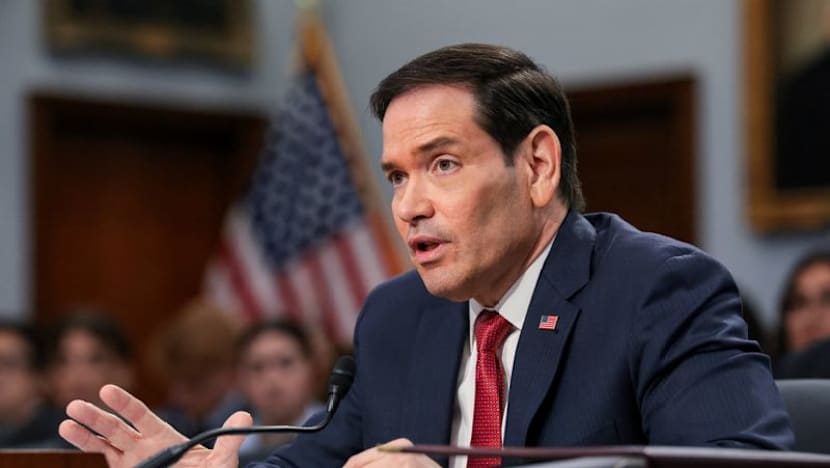
U.S. Secretary of State Marco Rubio voiced optimism regarding a potential peace deal to end the ongoing war in Iran, while firmly insisting on significant nuclear restrictions for Tehran. "There is the prospect before us, which could happen today, it could happen tomorrow, it could happen next week," Rubio told a Congressional panel on Tuesday.
There is the prospect before us, which could happen today, it could happen tomorrow, it could happen next week.
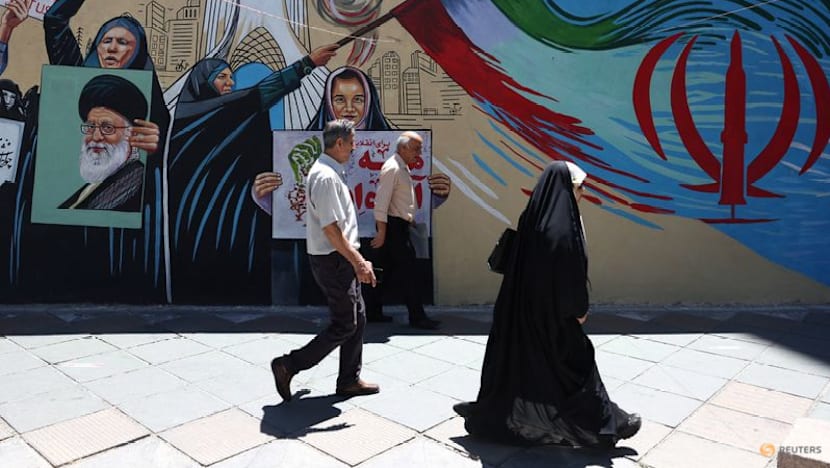
Rubio testified before the Senate Foreign Relations Committee amidst a three-month U.S.-Israeli war on Iran that appears to have reached a stalemate. The continued closure of the strategic Strait of Hormuz remains a major disruption to global energy markets. Rubio emphasized that Iran must reopen this vital shipping channel and agree to curb its nuclear activities, including highly enriched uranium, before any sanctions relief can be considered. "Iran is being sanctioned because they've highly enriched uranium, Iran is being sanctioned because of their nuclear activities," he stated. "If they agree to give up those things, there will be sanctions relief."
While U.S. President Donald Trump has expressed confidence in an imminent deal, negotiations have stalled. Despite a general ceasefire holding since early April, recent days have seen exchanges of fire between Iranian and U.S. forces. Rubio sought to minimize these recent hostilities, declaring the conflict "effectively ended."
Iran is being sanctioned because they've highly enriched uranium, Iran is being sanctioned because of their nuclear activities.
Despite acknowledging Iran's continued possession of drones, Rubio defended the war's strategic impact. He asserted that the conflict has substantially degraded Iran's military capabilities, stating, "Iran has no navy left, they've lost a substantial percentage of their defense industrial base, that Iran has lost a substantial percentage of their missile launchers." He added that Iran's economy is significantly worse than it was months prior.
If they agree to give up those things, there will be sanctions relief.
Furthermore, Rubio addressed the status of Iran's supreme leader, Mojtaba Khamenei, who reportedly sustained injuries in U.S.-Israeli attacks and has not appeared publicly since assuming leadership. Rubio stated that Khamenei is alive and becoming more active. "I think there are indications out there that he is increasingly engaging at some level," Rubio told the panel. Mojtaba Khamenei succeeded his father, Ali Khamenei, who was killed in the initial strikes that launched the war on February 28.
Well, the war is over.
DistantNews Editorial
Originally published by CNA. Summarized and contextualized by our editorial team with added local perspective. Read our editorial standards.
More Stories


From Our Blog

What Gets Lost (and Found) When News Is Translated

The Critical Role of Diaspora Media in Global News

What Travellers Should Know About Countries with Restricted Press

A Digital Nomad's Guide to Following Local News

How the Same Story Looks Different in Different Countries
