

/s3/static.nrc.nl/wp-content/uploads/2026/07/03105438/090726OPI_2034949548_Economist_Frontier_AI.jpg)
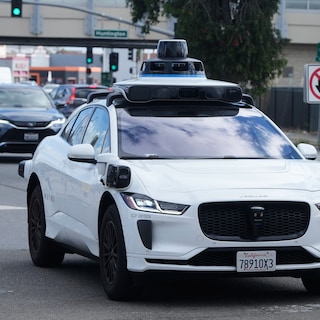
US traffic watchdog warns: self-driving cars too often block emergency services
Translated from Dutch, summarized and contextualized by DistantNews.
At a glance
News
Sources not specified
New plan
- Autonomous vehicles in the US too frequently obstruct emergency services, according to traffic regulators.
- Regulators are calling for stricter rules to ensure self-driving cars yield to ambulances and fire trucks.
- The issue poses a significant safety risk, potentially delaying critical response times.
US traffic regulators have sounded the alarm over autonomous vehicles frequently hindering emergency services. The National Highway Traffic Safety Administration (NHTSA) is pushing for stricter regulations to ensure self-driving cars reliably yield to emergency vehicles. This issue poses a significant safety risk, as delays in response times for ambulances and fire trucks could have dire consequences.
The NHTSA's concerns stem from instances where autonomous vehicles have failed to pull over or allow emergency vehicles to pass. This malfunction can critically delay first responders reaching accident scenes or medical emergencies. The agency is reportedly considering new rules that would mandate how autonomous vehicles detect and react to emergency signals and vehicles.
While the technology aims to improve road safety, these operational failures highlight a critical gap. Ensuring that autonomous vehicles can safely and effectively share the road with all other traffic, especially during emergencies, is paramount. The NHTSA's intervention underscores the need for robust testing and regulatory oversight before widespread deployment.
DistantNews Editorial
Originally published by De Volkskrant in Dutch. Translated, summarized, and contextualized by our editorial team with added local perspective. Read our editorial standards.
More Stories
:format(jpeg):fill(f8f8f8,true)/s3/static.nrc.nl/taxonomy/e3dbc3a-Cinco_itemafbeelding.png)
From Our Blog

What Gets Lost (and Found) When News Is Translated

The Critical Role of Diaspora Media in Global News

What Travellers Should Know About Countries with Restricted Press

A Digital Nomad's Guide to Following Local News

How the Same Story Looks Different in Different Countries
