


US unexpectedly loses jobs in blow to Trump ahead of midterms
Summarized and contextualized by DistantNews.
At a glance
News
Official statement
New plan
- The US lost 23,000 jobs in July, defying economists' expectations of job growth.
- The unexpected job loss raises concerns about the economy and could impact the upcoming midterm elections.
- The Federal Reserve faces a dilemma as it considers interest rate hikes amid mixed economic signals.
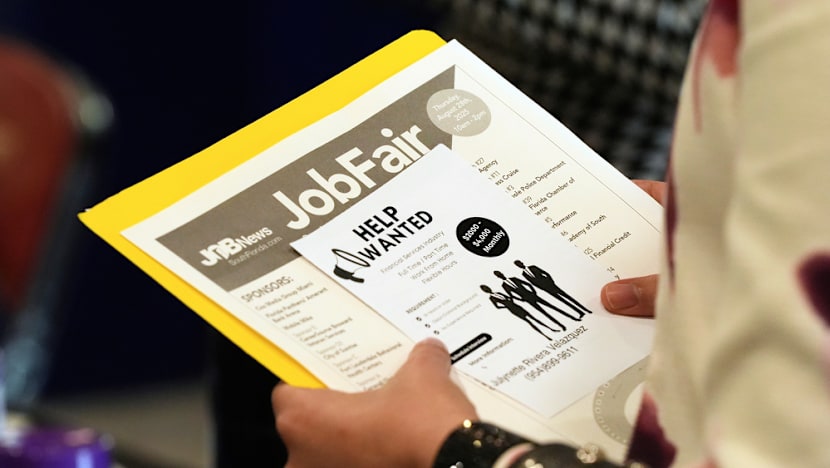
The United States unexpectedly lost 23,000 jobs in July, according to government data released Friday. This downturn challenges President Donald Trump's narrative of economic revival and presents a potential hurdle for his Republican Party ahead of the crucial November midterm elections.
Analysts had widely anticipated job growth, with economists predicting the addition of 83,000 new jobs. The actual figures, however, revealed a contraction in the labor market. Furthermore, the Bureau of Labor Statistics revised down job growth figures for the previous two months by 103,000, indicating a less robust labor market than previously reported. Job growth had peaked in March before a subsequent decline, culminating in negative territory in July.
The unemployment rate slightly decreased to 4.1 percent. However, this dip is attributed to a shrinking labor supply, a trend exacerbated by an aging population and reduced net migration. The labor force participation rate also fell to its lowest point since the pandemic-induced closures, a metric closely watched by the Federal Reserve. The Fed is tasked with balancing maximum employment with its two percent inflation target, a goal it has missed for five years.
White House economic advisor Kevin Hassett downplayed the figures, describing the survey data as "very, very noisy." The report complicates the Federal Reserve's decision-making process. The central bank has been signaling potential interest rate hikes, but this jobs report highlights underlying weaknesses in the labor market that could influence monetary policy.
very, very noisy
DistantNews Editorial
Originally published by CNA. Summarized and contextualized by our editorial team with added local perspective. Read our editorial standards.
More Stories



From Our Blog

What Gets Lost (and Found) When News Is Translated

The Critical Role of Diaspora Media in Global News

What Travellers Should Know About Countries with Restricted Press

A Digital Nomad's Guide to Following Local News

How the Same Story Looks Different in Different Countries
