

US VP Vance: Iran deal hinges on nuclear weapon halt, terrorism funding cut
Translated from English, summarized and contextualized by DistantNews.
At a glance
News
Sources not specified
New plan
- US Vice President JD Vance outlined a framework for a potential agreement with Iran, emphasizing it would prevent Tehran from acquiring nuclear weapons.
- Vance dismissed reports of billions of dollars being transferred to Iran, calling them false and made up.
- The potential deal includes reopening the Strait of Hormuz and lowering oil prices, contingent on Iran changing its conduct, ending terrorism funding, and verifiable compliance.
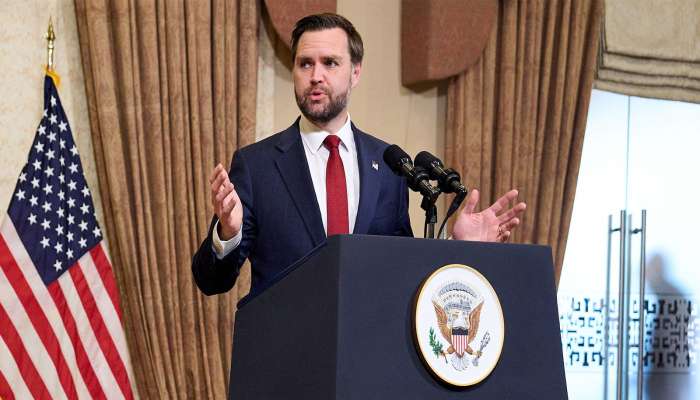
U.S. Vice President JD Vance detailed Washington's emerging framework for an agreement with Iran, asserting it would prevent the nation from obtaining nuclear weapons and potentially transform bilateral relations if Iran demonstrates verifiable changes in its conduct.
I've seen a lot of misinformation out there. I've seen $24 billion going from the United States to Iran. That number is totally false, totally made up.
Speaking to Fox News, Vance addressed and dismissed claims of financial incentives linked to the deal, specifically refuting reports of Washington transferring billions of dollars to Tehran. "I've seen a lot of misinformation out there. I've seen $24 billion going from the United States to Iran. That number is totally false, totally made up," he stated.
If the Iranians are willing to change their ways and stop trying to build a nuclear weapon, stop trying to fund terrorism all over the Middle East, then we are willing to actually fundamentally transform our relationship with them. That's what the president has offered. We would need to verify that. We would need to see real progress and real action.
The framework, Vance explained, includes reopening the Strait of Hormuz and lowering oil prices. Crucially, it hinges on Iran ceasing its pursuit of nuclear weapons and its funding of terrorism across the Middle East. "If the Iranians are willing to change their ways and stop trying to build a nuclear weapon, stop trying to fund terrorism all over the Middle East, then we are willing to actually fundamentally transform our relationship with them," Vance said. "We would need to verify that. We would need to see real progress and real action."
There were a number of problems. Number one - the Gulf Arabs hated the Obama deal because they thought it empowered the Iranians to be a malign actor and actually enriched the Iranians while they were misbehaving.
Vance highlighted key differences from the Obama-era Joint Comprehensive Plan of Action (JCPOA), noting that Gulf Arab nations opposed the previous deal, believing it empowered Iran. He stressed that the current arrangement prioritizes verifiable Iranian commitments before any benefits are extended, and that Gulf Arabs "love" the present agreement. The deal is expected to be formally signed in Geneva later this week.
They're (Iran) agreeing right now to eliminate the enriched stockpile. And if they don't get to a point where they agree to stop enriching, then they don't get the other benefits of the bargain.
DistantNews Editorial
Originally published by Times of Oman in English. Translated, summarized, and contextualized by our editorial team with added local perspective. Read our editorial standards.
More Stories
From Our Blog

What Gets Lost (and Found) When News Is Translated

The Critical Role of Diaspora Media in Global News

What Travellers Should Know About Countries with Restricted Press

A Digital Nomad's Guide to Following Local News

How the Same Story Looks Different in Different Countries
