


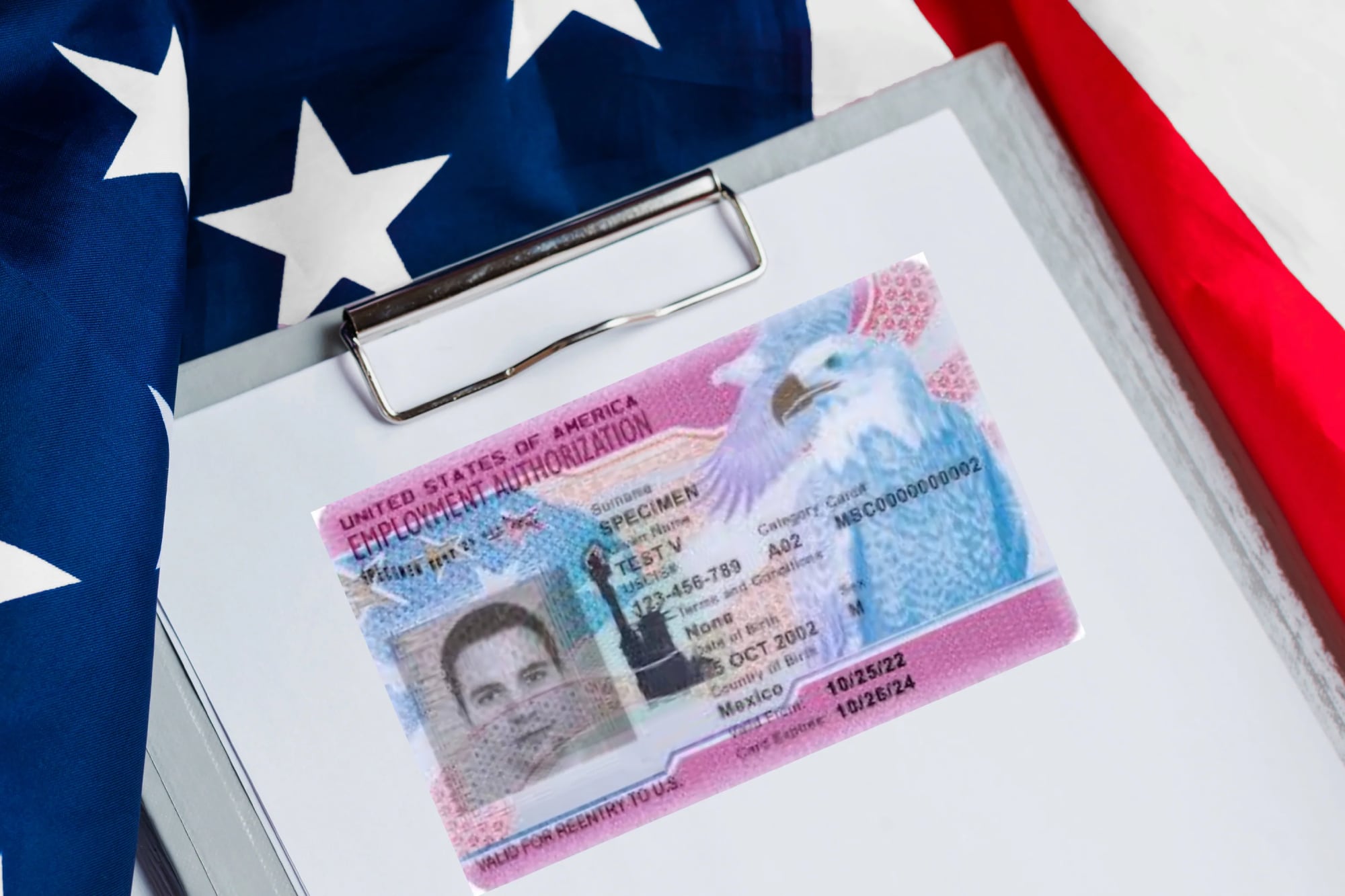
US work permit proposal could complicate parole renewals
Translated from Spanish, summarized and contextualized by DistantNews.
At a glance
News
Official statement
New plan
- The U.S. Department of Homeland Security proposed new rules that could affect work permit renewals for individuals with migratory parole.
- The proposed changes aim to base work permit grants on economic need, identity verification, and favorable discretion, potentially requiring applicants to demonstrate real economic necessity.
- Public comments on the proposal are open until August 4, 2026, after which DHS will review feedback before a final decision.
The U.S. Department of Homeland Security (DHS) has put forth a proposed rule that could significantly alter the process for renewing work permits for individuals holding migratory parole. Published in the Federal Register on June 5, the directive outlines changes intended to ensure that Employment Authorization Documents (EADs) are granted based on genuine economic need, verified identity, and a favorable discretionary assessment.
Under the proposed changes, applicants seeking an initial work permit under parole would need to meet new requirements, including demonstrating a real economic necessity. For those already holding an EAD through parole and seeking renewal, the most substantial shift involves a linkage to the E-Verify system. Furthermore, in compliance with H.R.1, the validity of an EAD for parolees would not exceed one year or the duration of their parole, whichever is shorter. The authorization could be terminated if the parole is canceled, expires, or is denied, or if the individual receives a final removal order.
The new regulations also specify conditions under which work authorization, whether initial or renewal, would generally not be granted. These include situations where the foreign national is in certain circumstances, unless compensatory public interests, such as cooperation with U.S. authorities, are demonstrated. The period for public comment on this proposal concludes on August 4, 2026. Following this, the DHS will evaluate all submitted opinions before making a final determination.
DistantNews Editorial
Originally published by La Nación in Spanish. Translated, summarized, and contextualized by our editorial team with added local perspective. Read our editorial standards.
More Stories


From Our Blog

What Gets Lost (and Found) When News Is Translated

The Critical Role of Diaspora Media in Global News

What Travellers Should Know About Countries with Restricted Press

A Digital Nomad's Guide to Following Local News

How the Same Story Looks Different in Different Countries
