


Uzodimma: The Burden of Rebuilding Imo Through Sacrifice
Translated from English and summarized by DistantNews. Read the original for the full story.
At a glance
News
Named sources
Context piece
- Imo State Governor Hope Uzodimma is pursuing a reform-oriented leadership style focused on long-term stability and development.
- He acknowledges that implementing reforms may cause short-term pain for some individuals but is necessary for the state's prosperity.
- Uzodimma emphasizes that his decisions are driven by the state's larger interests, despite potential discontent among political stakeholders.
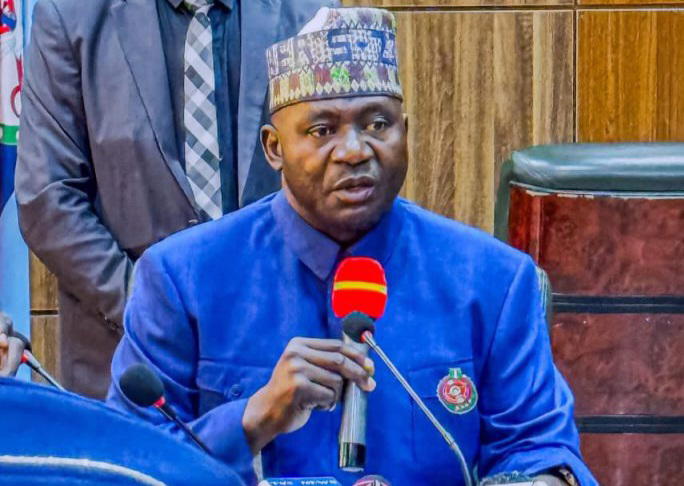
In the often turbulent political climate of Nigeria, Governor Hope Uzodimma of Imo State is carving out a distinct leadership narrative, one defined by a commitment to reform, stability, and institutional rebuilding. His recent statements, particularly those made after a worship service, reveal a leader acutely aware of the burdens of governance and the inherent difficulties in enacting change.
In the course of driving a new vision for the Imo we envisage, some people will be hurt and some will be promoted. Some sacrifices are personal, while others are collective.
Uzodimma's philosophy appears to be rooted in the understanding that true progress requires sacrifice. He openly admits that his administration's drive for a "new vision" for Imo will inevitably lead to some individuals being "hurt" while others are "promoted." This acknowledgment of potential discontent is crucial, especially in a state with a vibrant and competitive political environment. His metaphor of creating "seats upon which prosperity will sit" vividly illustrates his goal of laying a solid foundation for the state's future economic and political landscape.
We want to open up the political and economic space in Imo State for prosperity to thrive. You cannot invite visitors into your home without providing seats for them. We are creating those seats upon which prosperity will sit.
What sets Uzodimma's approach apart, from a Nigerian perspective, is his emphasis on a "politics of sacrifice." While many leaders focus on immediate electoral gains or populist measures, Uzodimma seems determined to make difficult, perhaps unpopular, decisions for what he perceives as the long-term benefit of Imo State. His assertion that he has personally experienced the hardships endured for the state's interest adds a layer of personal conviction to his reform agenda. This narrative of leadership, grounded in discipline and a willingness to face friction, positions him as a leader focused on structural transformation rather than mere political expediency.
I am not a perfect human being. I may make unintended mistakes or fail to please some people according to their personal ambitions and aspirations.
About this summary
Originally published by ThisDay in English. Translated, summarized, and contextualized automatically by DistantNews, with a note on how the source frames the story. Not individually reviewed before publishing. How this works.
More Stories


From Our Blog

The Same Story, Different Countries: How Coverage Changes at the Border

News in Translation: What Gets Lost, and How We Keep the Framing

Diaspora Media: How Communities Abroad Follow Home

Traveling Where the Press Is Not Free: How to Read the News There

The Digital Nomad's Guide to Local News
