

Valle del Cauca Hospitals Warn of Collapse Amidst 2.2 Trillion Peso Debt Crisis
Translated from Spanish, summarized and contextualized by DistantNews.
At a glance
News
Official statement
New plan
- Hospitals in Colombia's Valle del Cauca department face imminent collapse due to a severe financial crisis.
- The region's public health network has accumulated over 2.2 trillion pesos in overdue debt, primarily from EPS.
- The association of hospitals has formally requested urgent government intervention to implement a financial recovery plan.
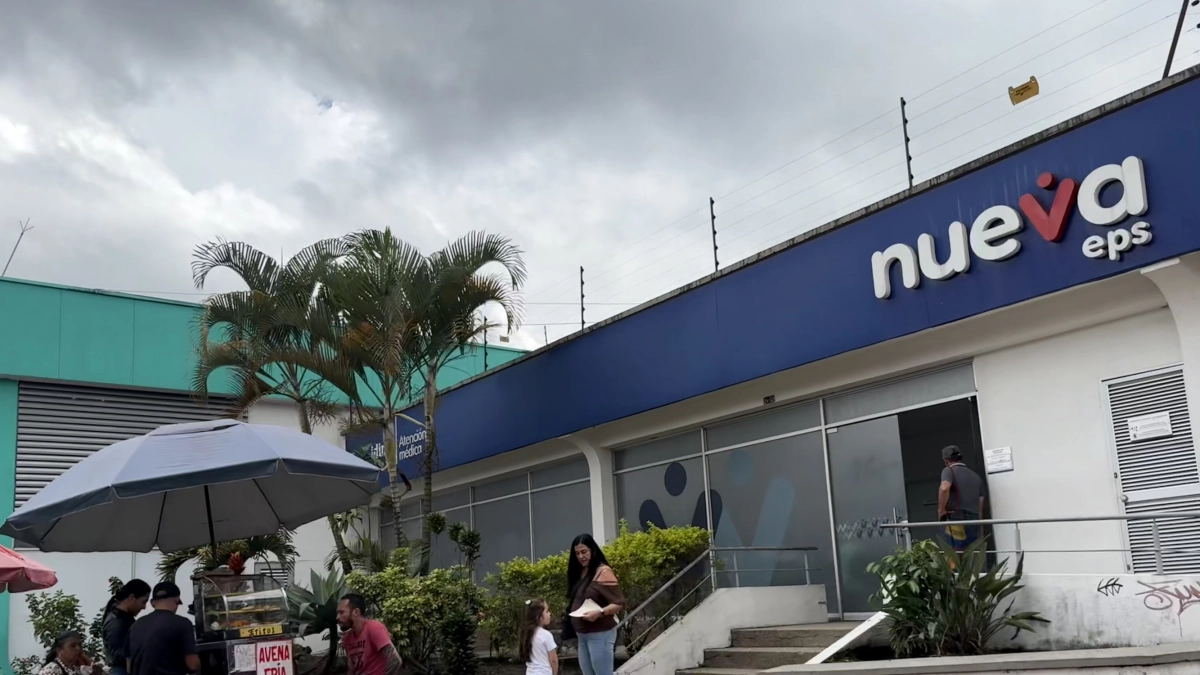
Hospitals across Colombia's Valle del Cauca department are on the brink of collapse, issuing an urgent SOS to the national government. The Association of Hospitals and Public Health Enterprises of Valle (Asohosval) formally alerted the Presidency to a critical financial situation threatening the sustainability of 42 healthcare institutions. The core of the crisis lies in a staggering 2.2 trillion pesos (approximately $500 million USD) in overdue payments owed to the public health network as of March 2026.
This massive debt represents a significant increase from the previous year and is heavily concentrated. Asohosval reported that just four health insurance providers (EPS) are responsible for 72.9% of the total outstanding amount. The situation is dire, with 62.8% of these overdue accounts exceeding 180 days, and 42.2% remaining unpaid for over a year. This prolonged lack of funds is crippling daily operations and jeopardizing patient care.
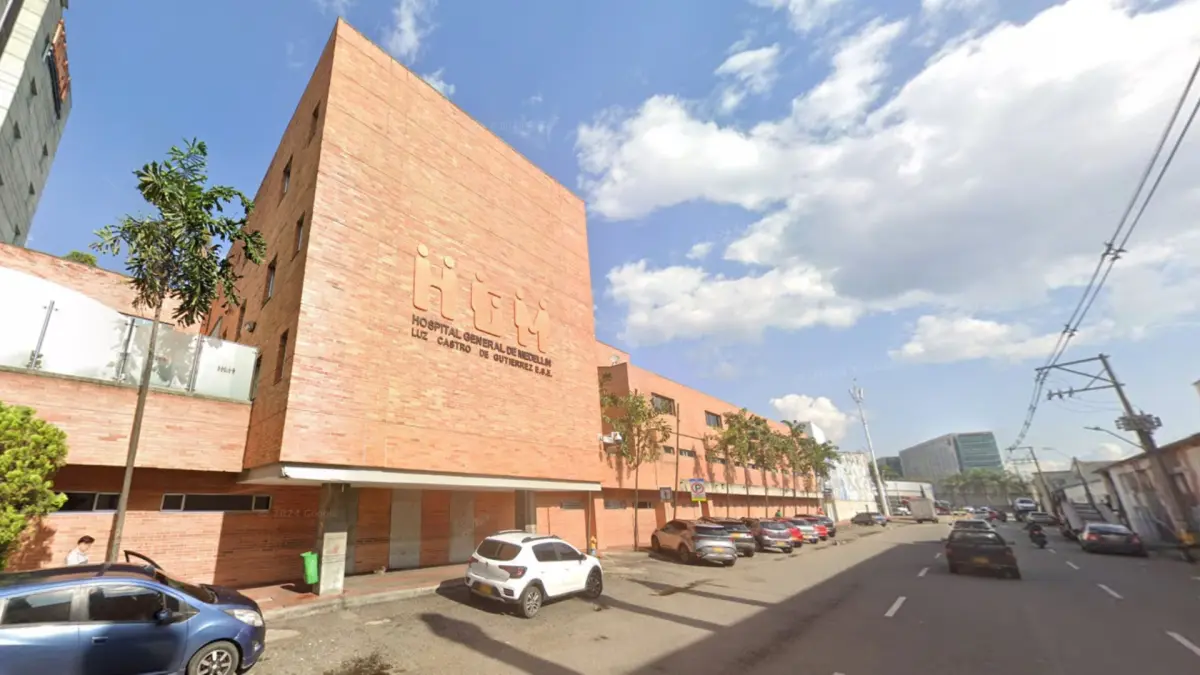
Key strategic institutions, including the Hospital Universitario del Valle Evaristo García and several others, are struggling to pay staff salaries and benefits. The scarcity of essential medical supplies and medications, coupled with an inability to pay suppliers or maintain infrastructure, puts critical services like emergency care, hospitalization, and surgeries at severe risk. The association is demanding immediate government action, including a financial recovery plan and direct disbursement of owed funds to prevent a complete breakdown of the healthcare system in the region.
DistantNews Editorial
Originally published by El Tiempo in Spanish. Translated, summarized, and contextualized by our editorial team with added local perspective. Read our editorial standards.
More Stories

From Our Blog

What Gets Lost (and Found) When News Is Translated

The Critical Role of Diaspora Media in Global News

What Travellers Should Know About Countries with Restricted Press

A Digital Nomad's Guide to Following Local News

How the Same Story Looks Different in Different Countries
