

Vance: US Will Verify Iran's Actions in Strait of Hormuz, Not Trust Words
Translated from English, summarized and contextualized by DistantNews.
At a glance
News
Sources not specified
Context piece
- The US will verify Iran's actions regarding the Strait of Hormuz, not just trust its words, according to Vice President JD Vance.
- Vance stated that Iran has assured the US it has no plans to impose transit fees on vessels passing through the crucial energy corridor.
- The US is seeking long-term changes from Iran for a better relationship, while continuing to pressure Tehran if necessary to ensure stable energy prices.
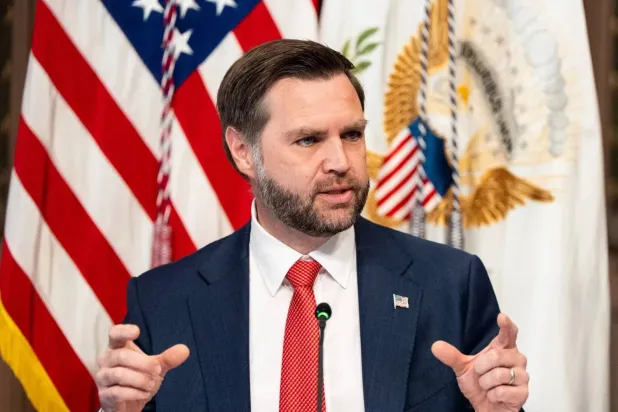
The United States will not rely solely on Iran's assurances regarding the Strait of Hormuz, instead opting to verify its actions, U.S. Vice President JD Vance stated. "We don't trust, we verify. We actually look not at people's words, but people's deeds," Vance told Fox News.
You know, we don't trust, we verify. We actually look not at people's words, but people's deeds.
These remarks come amid ongoing negotiations where Iran has reportedly told Washington it has no intention of imposing transit fees on vessels traversing the vital energy corridor. Vance acknowledged progress in recent days but cautioned that Tehran has yet to fully meet the demands of the Trump administration. "The question is whether they're able, their system is able to give the things that are necessary for us to be happy, for us to feel like we've gotten what we need out of this particular engagement," he said.
Vance highlighted the pressure Iran is under, suggesting they "want this thing to be over." He indicated that Washington is assessing Iran's willingness to implement long-term changes necessary for improved relations. "If not, that's fine, too. We're just going to keep on applying the pressure that we can apply and getting as much oil and gas out of the Middle East so that Americans can enjoy lower gas and energy prices. So that's the delicate dance," Vance explained.
The question is whether they're able, their system is able to give the things that are necessary for us to be happy, for us to feel like we've gotten what we need out of this particular engagement.
He reiterated past U.S. actions, stating, "we've destroyed their nuclear program, we've destroyed their conventional military, we've radically reduced their, what you might call their asymmetric military abilities." The current focus, he added, is on securing Iran's commitment to long-term changes. The administration expects oil and gas output from the Gulf to return to pre-conflict levels, based on Iranian assurances. "That is what the Iranians have told us that they are going to do. That's what the entire Gulf coalition wants to do as well. But, you know, we don't trust, we verify," Vance concluded.
The Iranians are hurting in a big way. They want this thing to be over.
These discussions occur as Iran reports nearing an agreement with Oman concerning traffic arrangements through the Strait of Hormuz. Vance specifically addressed concerns about potential tolls, stating, "the Iranians have told us they have no plans to toll the Strait of Hormuz. But again, we're going to see what actions actually happen."
Right now we're trying to see if they're willing to make the kind of long-term changes that would be necessary to have a better relationship with the United States.
DistantNews Editorial
Originally published by Asharq Al-Awsat in English. Translated, summarized, and contextualized by our editorial team with added local perspective. Read our editorial standards.
More Stories


From Our Blog

What Gets Lost (and Found) When News Is Translated

The Critical Role of Diaspora Media in Global News

What Travellers Should Know About Countries with Restricted Press

A Digital Nomad's Guide to Following Local News

How the Same Story Looks Different in Different Countries
